
-

About Us
Dongguan Mixiao New Material Technology Co., Ltd. was established in 2013 and is located in Changping Town, Dongguan City, the capital of manufacturing. It has strong independent development, design, and production capabilities, and produces products such as metal and non-metal product molds, automotive and motorcycle molds
-
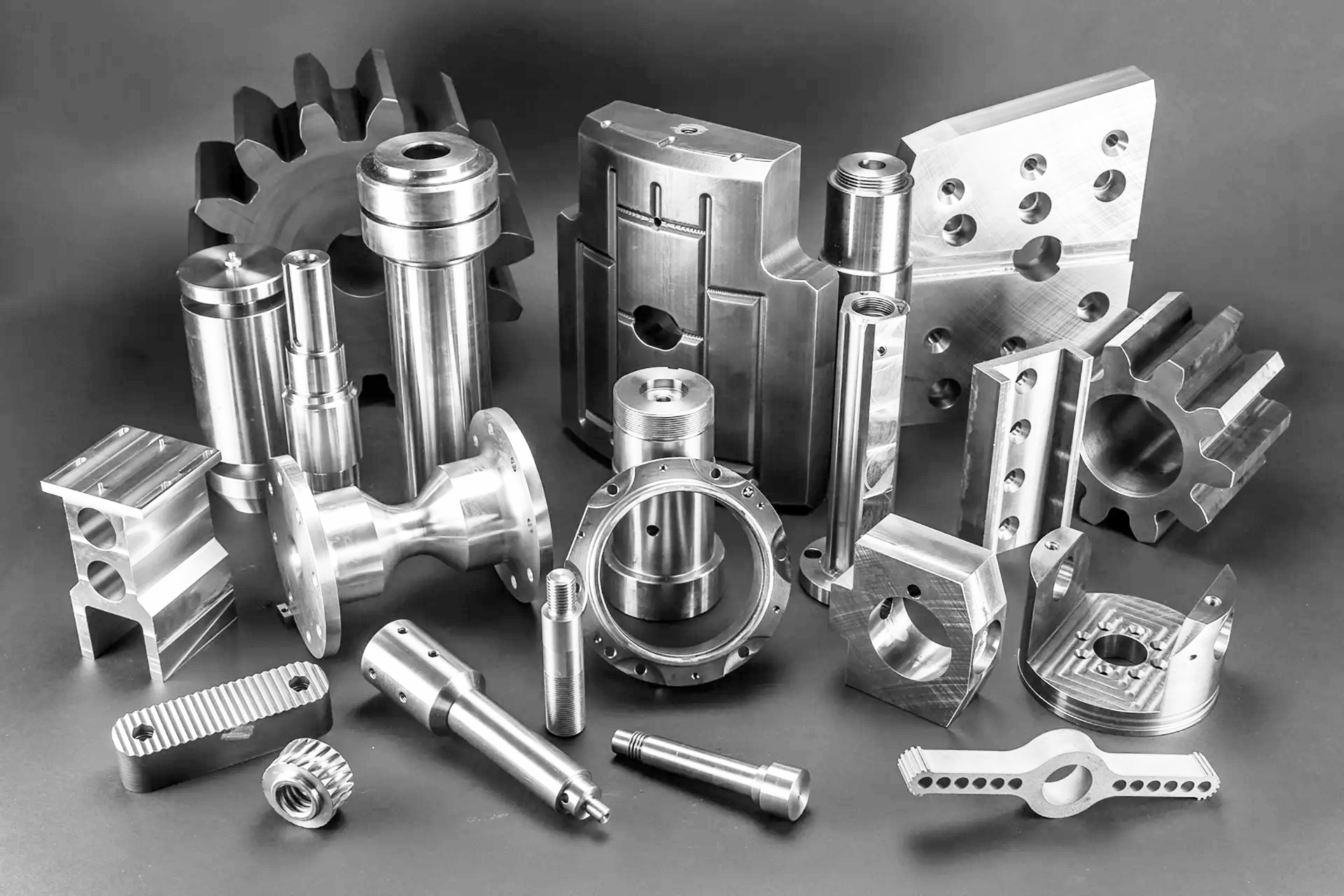
Products
Dongguan Mixiao New Material Technology Co., Ltd. was established in 2013 and is located in Changping Town, Dongguan City, the capital of manufacturing. It has strong independent development, design, and production capabilities, and produces products such as metal and non-metal product molds, automotive and motorcycle molds
-

Service
Dongguan Mixiao New Material Technology Co., Ltd. was established in 2013 and is located in Changping Town, Dongguan City, the capital of manufacturing. It has strong independent development, design, and production capabilities, and produces products such as metal and non-metal product molds, automotive and motorcycle molds
-

Blog
Dongguan Mixiao New Material Technology Co., Ltd. was established in 2013 and is located in Changping Town, Dongguan City, the capital of manufacturing. It has strong independent development, design, and production capabilities, and produces products such as metal and non-metal product molds, automotive and motorcycle molds
-

Contact us
Dongguan Mixiao New Material Technology Co., Ltd. was established in 2013 and is located in Changping Town, Dongguan City, the capital of manufacturing. It has strong independent development, design, and production capabilities, and produces products such as metal and non-metal product molds, automotive and motorcycle molds

Rotating Shaft: Reliable Power Transmission for Industrial Machinery
Release time:
Oct 20,2026
Rotating shaft manufacturers deliver precision-engineered shafts for reliable power transmission and industrial use.

Introduction to Rotating Shafts
A Rotating shaft is an essential mechanical component used to transmit torque and rotational motion between connected parts. It plays an important role in machinery that depends on stable rotation, accurate positioning, and consistent power transmission. From industrial equipment and automated production systems to general mechanical assemblies, a properly designed shaft helps coordinate the movement of gears, pulleys, bearings, and other rotating components.
When selecting a shaft for industrial use, buyers need to consider more than its basic dimensions. Material suitability, machining accuracy, surface condition, load requirements, and compatibility with surrounding components can all influence operating performance. Choosing the right shaft helps manufacturers build dependable machinery, reduce unnecessary maintenance, and maintain consistent production processes.
Key Advantages of a Well-Made Rotating Shaft
A quality rotating shaft provides a reliable connection between the driving mechanism and the working components. By transmitting rotational force efficiently, it supports the coordinated operation of mechanical systems and helps equipment perform its intended tasks.
Dimensional accuracy is another important consideration. A shaft that fits properly with bearings, couplings, and gears can help reduce assembly difficulties and unwanted vibration. Appropriate machining and finishing also contribute to stable rotation, while suitable material selection helps the component withstand the working conditions for which it is designed.
Durability depends on matching the shaft's design and material to its actual application. Factors such as rotational speed, torque, bending loads, operating environment, and maintenance requirements should be evaluated before production or purchasing decisions are made. This approach helps customers avoid choosing components based solely on price or appearance.
Functions in Different Mechanical Systems
Rotating shafts serve a variety of functions depending on the equipment in which they are installed. In a drive assembly, the shaft transfers power from a motor to gears, belts, or other transmission elements. In rotating machinery, it supports the movement of connected components and helps maintain the required rotational relationship between them.
In automated manufacturing equipment, shafts contribute to repeatable mechanical movement and coordinated operation. In pumps, conveyors, processing machinery, and other industrial systems, their performance can influence overall equipment stability and service life. The exact shaft configuration should always be determined by the machine's structure, load conditions, speed requirements, and installation space.
Solving Common Problems in Shaft Selection
Incorrect shaft dimensions can lead to difficult installation, poor component alignment, and increased vibration. In demanding operating conditions, unsuitable materials or inadequate surface finishing may also contribute to premature wear and unexpected downtime. These problems can increase maintenance costs and interrupt production schedules.
A practical solution starts with clearly defining the operating requirements. Buyers should provide shaft drawings or accurate dimensional information, identify the connected components, and explain the expected loads and working environment. Where necessary, technical discussions with the manufacturer can help clarify tolerances, surface requirements, material choices, and machining details before production begins.
Consistent inspection is equally important. Verifying critical dimensions and checking the finished component against the agreed specifications can help reduce assembly errors and improve purchasing confidence. Clear communication between equipment manufacturers, maintenance teams, and shaft suppliers also helps prevent misunderstandings during ordering and replacement.

Applications and Practical Customer Scenarios
Consider a manufacturer upgrading a motor-driven conveyor system. If the replacement shaft does not match the existing bearing seats or coupling dimensions, installation may require additional machining and equipment downtime. Confirming the drawing, interfaces, and operating conditions before ordering can help avoid these unnecessary costs.
Another example is a machinery maintenance team replacing a worn rotating component. Instead of selecting a shaft based only on its overall length and diameter, the team should also evaluate the load, rotational speed, mounting arrangement, and surface condition. This broader assessment helps ensure that the replacement is appropriate for the intended machine.
For equipment manufacturers producing machinery in batches, standardized shaft specifications can simplify purchasing, inventory management, and assembly planning. For customized machinery, communicating application-specific requirements early can help the supplier determine a suitable manufacturing approach.
How to Choose the Right Rotating Shaft
Before placing an order, buyers should confirm the shaft's dimensions, material requirements, tolerances, surface finish, connection design, and expected operating conditions. Drawings, samples, and clear technical documentation can make communication more efficient, especially when the component must fit an existing machine.
Manufacturers and distributors should also consider production consistency, inspection procedures, lead times, and the supplier's ability to meet the required specifications. For custom orders, confirming the details before manufacturing helps reduce rework and makes delivery planning more predictable.
A dependable rotating shaft is not simply a metal component; it is an important part of a coordinated mechanical system. By focusing on dimensional compatibility, material suitability, machining quality, and actual operating requirements, buyers can make more informed purchasing decisions. The result is a better-fitting component, smoother equipment operation, and a more reliable foundation for long-term industrial performance.

SAF Coolest v1.3.1.2 设置面板 GAGSD-ZGYF-JVZFE-ASQ
无数据提示
Sorry, the current column is being updated, please look forward to it!
You can view other columns or returnHome Page