
-

About Us
Dongguan Mixiao New Material Technology Co., Ltd. was established in 2013 and is located in Changping Town, Dongguan City, the capital of manufacturing. It has strong independent development, design, and production capabilities, and produces products such as metal and non-metal product molds, automotive and motorcycle molds
-
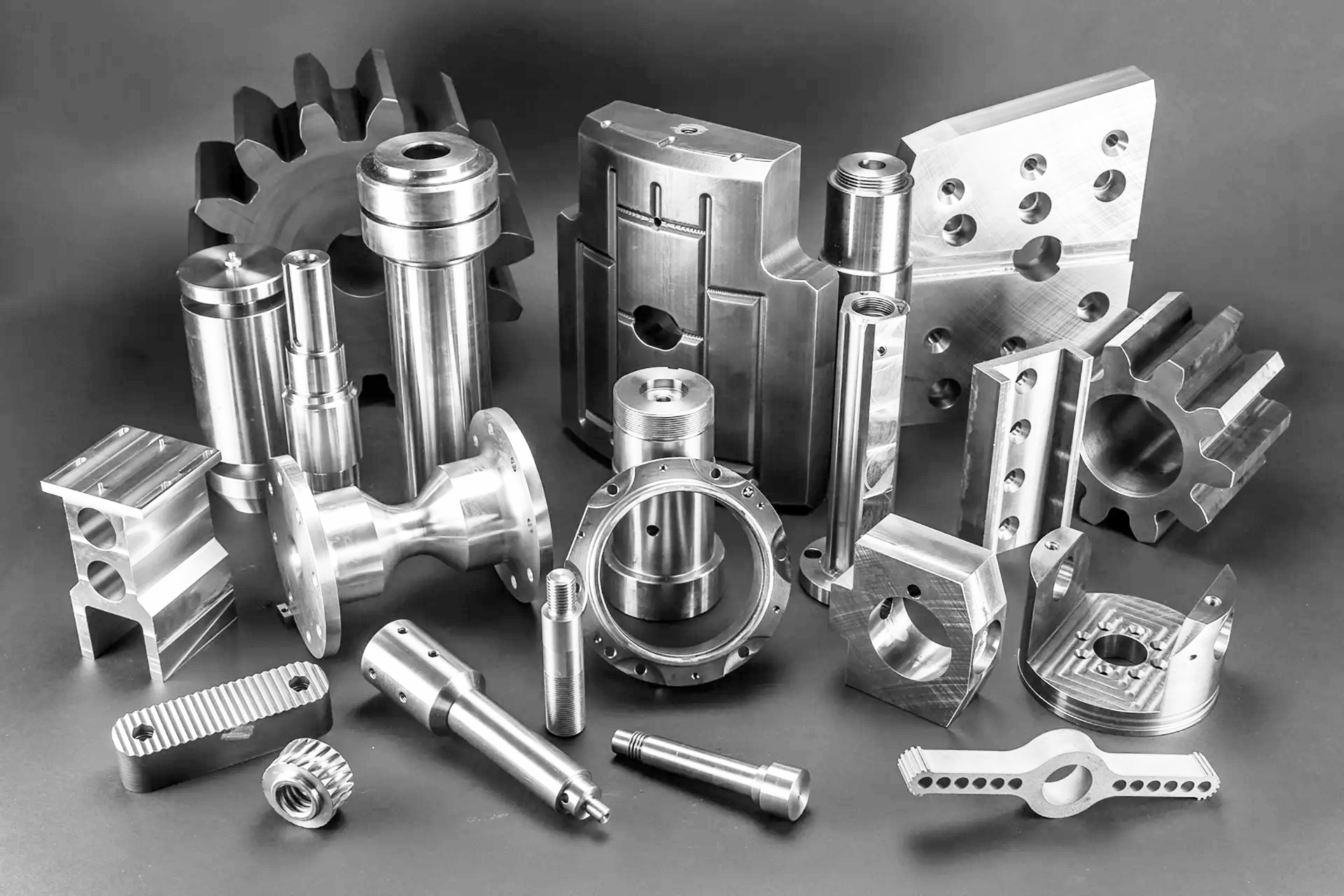
Products
Dongguan Mixiao New Material Technology Co., Ltd. was established in 2013 and is located in Changping Town, Dongguan City, the capital of manufacturing. It has strong independent development, design, and production capabilities, and produces products such as metal and non-metal product molds, automotive and motorcycle molds
-

Service
Dongguan Mixiao New Material Technology Co., Ltd. was established in 2013 and is located in Changping Town, Dongguan City, the capital of manufacturing. It has strong independent development, design, and production capabilities, and produces products such as metal and non-metal product molds, automotive and motorcycle molds
-

Blog
Dongguan Mixiao New Material Technology Co., Ltd. was established in 2013 and is located in Changping Town, Dongguan City, the capital of manufacturing. It has strong independent development, design, and production capabilities, and produces products such as metal and non-metal product molds, automotive and motorcycle molds
-

Contact us
Dongguan Mixiao New Material Technology Co., Ltd. was established in 2013 and is located in Changping Town, Dongguan City, the capital of manufacturing. It has strong independent development, design, and production capabilities, and produces products such as metal and non-metal product molds, automotive and motorcycle molds

Optimizing Rotating Shafts for Beauty Devices: Key Considerations for Manufacturers
Release time:
Oct 21,2026
The rotating shaft is a pivotal component in various beauty devices, playing a crucial role in their functionality and efficiency. As a manufacturer in the mechanical processing sector, particularly in the realms of molds, die-casting, and forging, understanding the intricacies of rotating shaft design and production can significantly influence the performance of beauty devices. 1. **Material Sele

1. **Material Selection**: The choice of materials for rotating shafts in beauty devices is fundamental. Manufacturers commonly use stainless steel, aluminum, or high-strength polymers. Stainless steel offers durability and corrosion resistance, which is essential for devices that may come into contact with moisture or chemicals. Aluminum provides a lightweight option, enhancing the device's portability without compromising strength. High-strength polymers can also be beneficial for specific applications, offering flexibility and reducing weight.
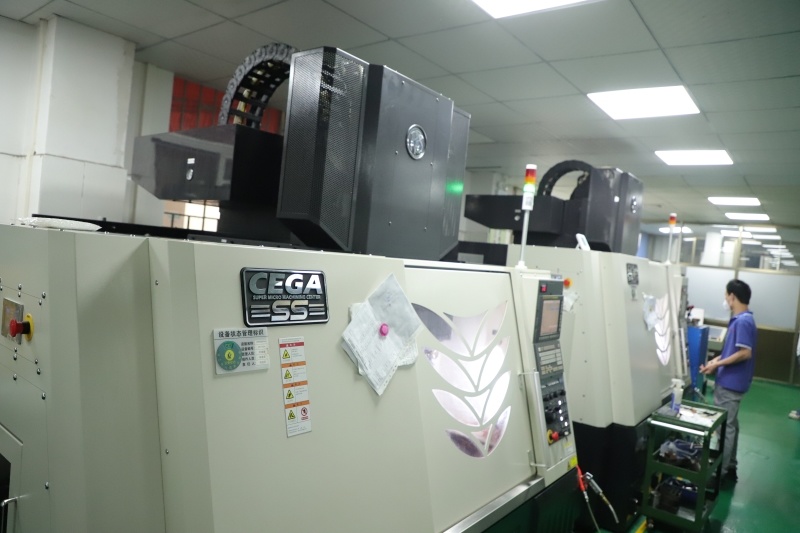
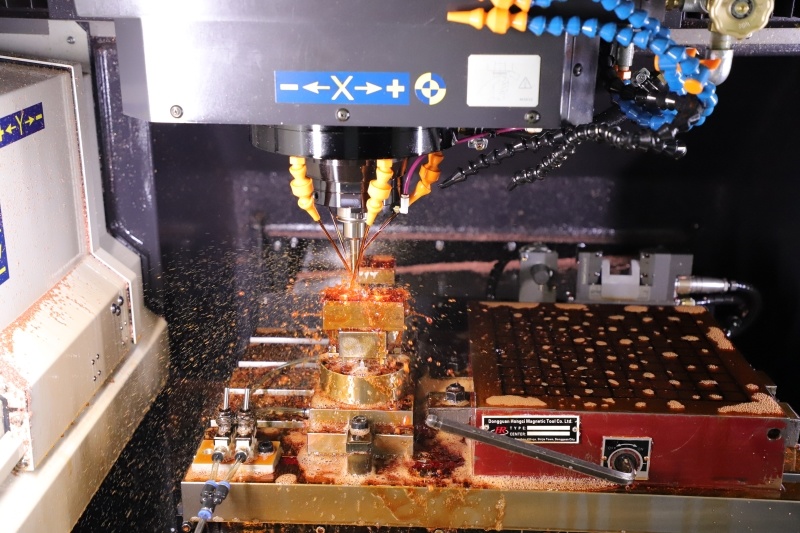
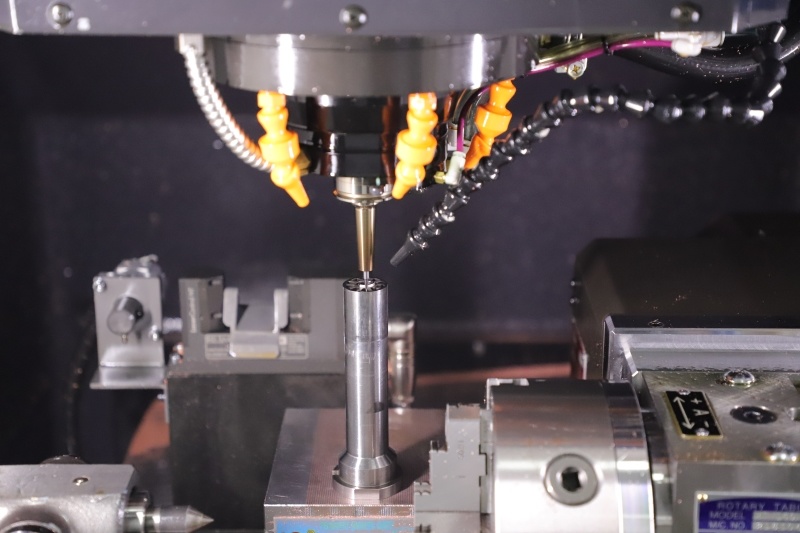
2. **Precision Engineering**: The performance of beauty devices often hinges on the precision of the rotating shaft. Tolerances must be meticulously maintained to ensure smooth operation and minimize vibrations. Using advanced CNC machining techniques allows for high levels of accuracy, which is essential in applications such as electric hair styling tools, where any misalignment can lead to inconsistent results and user dissatisfaction.
3. **Surface Treatments**: The surface finish of the rotating shaft can significantly impact its performance and lifespan. Techniques such as anodizing, polishing, and coating can enhance wear resistance and reduce friction during operation. A well-finished shaft not only improves efficiency but also enhances the overall aesthetic of the beauty device, making it more appealing to consumers.
4. **Design for Assembly and Maintenance**: In the beauty device industry, ease of assembly and maintenance is paramount. Designing rotating shafts that can be easily integrated into devices without requiring specialized tools can streamline production and reduce costs. Furthermore, considering serviceability in the design phase can lead to easier repairs and replacements, improving the overall user experience.
5. **Testing and Quality Assurance**: Implementing rigorous testing protocols for rotating shafts is essential. This includes assessing load capacity, fatigue resistance, and operational efficiency under various conditions. Quality assurance processes ensure that each shaft meets the required standards and performs reliably in the field.
In conclusion, the rotating shaft is a critical element in the functionality of beauty devices. By focusing on material selection, precision engineering, surface treatments, design for assembly, and quality assurance, manufacturers can produce high-quality components that enhance the performance and reliability of beauty devices. Emphasizing these factors not only leads to better products but also fosters customer loyalty in a competitive market. Understanding these key considerations will empower manufacturers to innovate and excel in the beauty device sector.

SAF Coolest v1.3.1.2 设置面板 GAGSD-ZGYF-JVZFE-ASQ
无数据提示
Sorry, the current column is being updated, please look forward to it!
You can view other columns or returnHome Page