
-

About Us
Dongguan Mixiao New Material Technology Co., Ltd. was established in 2013 and is located in Changping Town, Dongguan City, the capital of manufacturing. It has strong independent development, design, and production capabilities, and produces products such as metal and non-metal product molds, automotive and motorcycle molds
-
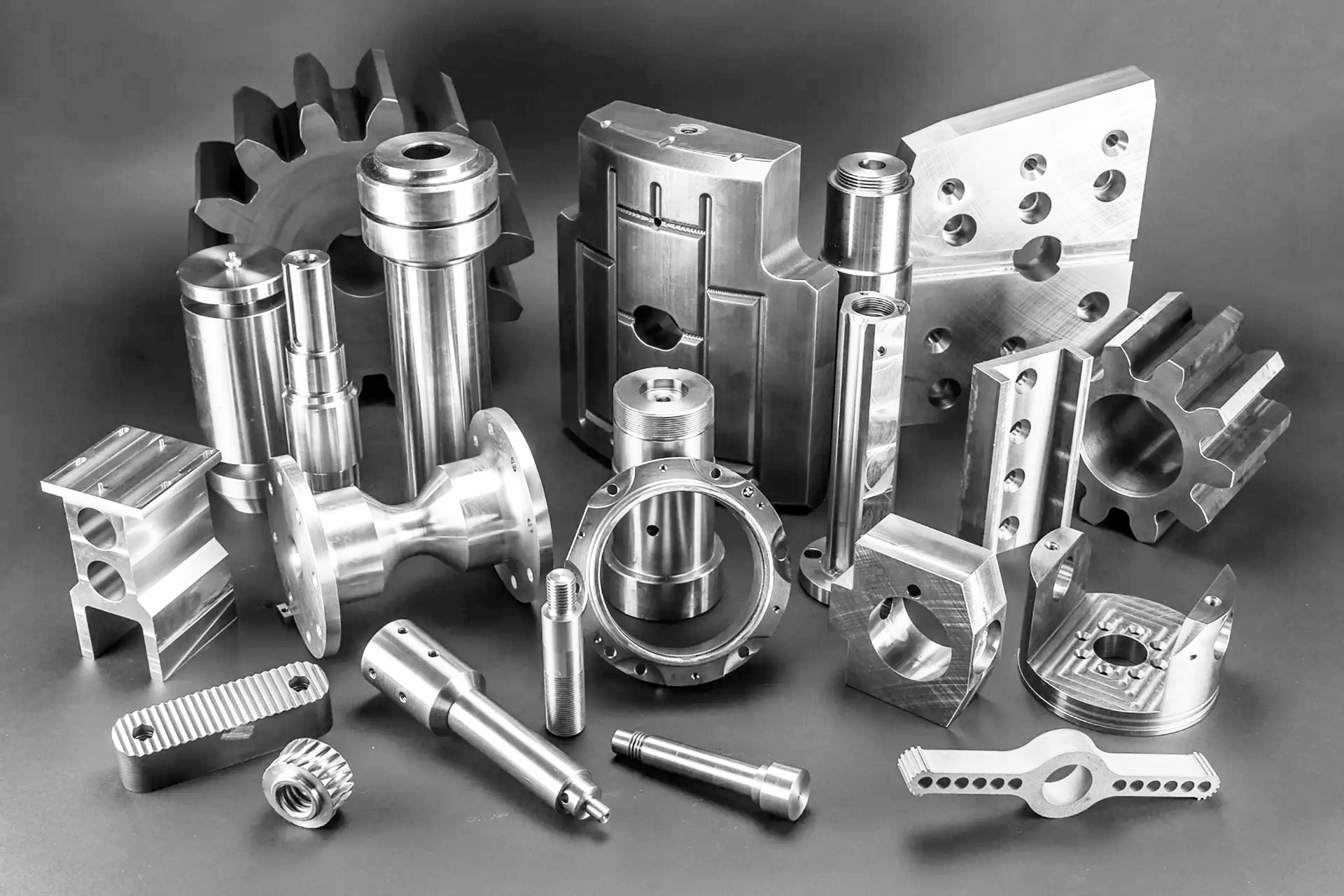
Products
Dongguan Mixiao New Material Technology Co., Ltd. was established in 2013 and is located in Changping Town, Dongguan City, the capital of manufacturing. It has strong independent development, design, and production capabilities, and produces products such as metal and non-metal product molds, automotive and motorcycle molds
-

Service
Dongguan Mixiao New Material Technology Co., Ltd. was established in 2013 and is located in Changping Town, Dongguan City, the capital of manufacturing. It has strong independent development, design, and production capabilities, and produces products such as metal and non-metal product molds, automotive and motorcycle molds
-

Blog
Dongguan Mixiao New Material Technology Co., Ltd. was established in 2013 and is located in Changping Town, Dongguan City, the capital of manufacturing. It has strong independent development, design, and production capabilities, and produces products such as metal and non-metal product molds, automotive and motorcycle molds
-

Contact us
Dongguan Mixiao New Material Technology Co., Ltd. was established in 2013 and is located in Changping Town, Dongguan City, the capital of manufacturing. It has strong independent development, design, and production capabilities, and produces products such as metal and non-metal product molds, automotive and motorcycle molds

The Essential Guide to Engraving Knives in Mold and Die Manufacturing
Release time:
Oct 11,2026
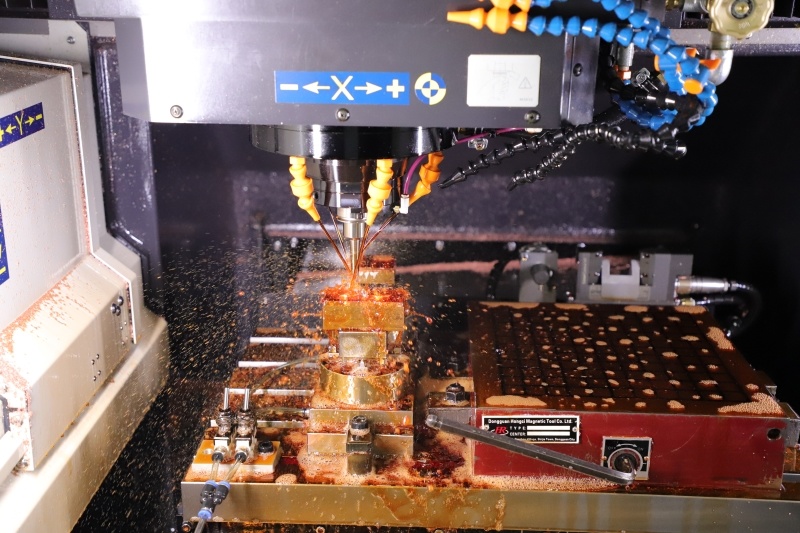
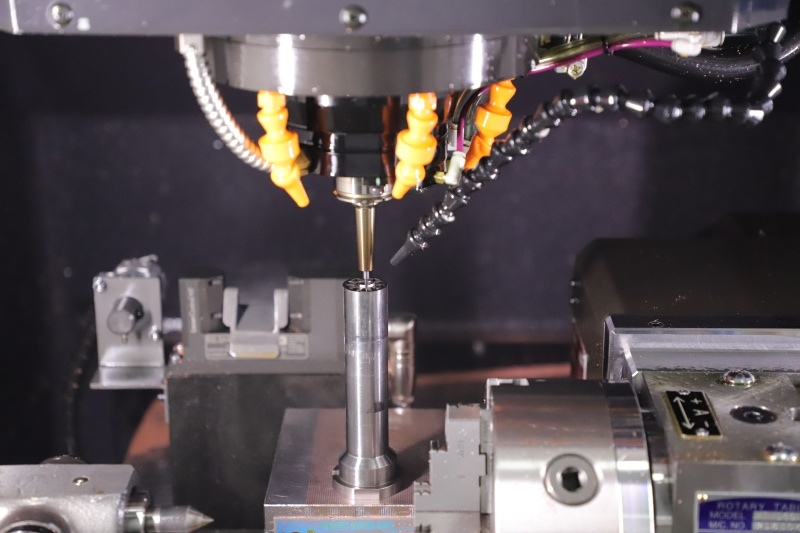
Engraving knives play a crucial role in the field of mold and die manufacturing, particularly in processes that require precision and detail. These specialized tools are designed for various applications, including etching intricate designs, marking identification codes, and finishing the surfaces of molds and dies. Understanding the different types of engraving knives available and their specific

One of the most common types of engraving knives is the flat chisel, which features a straight edge that allows for precise control during engraving. This tool is ideal for creating sharp lines and detailed designs on the surfaces of molds. Another popular option is the V-shaped engraving knife, which is designed for creating deeper grooves and detailed patterns. This knife's angled edge allows it to carve more intricate shapes, making it an essential tool for artists and craftsmen in the industry.
In addition to these standard types, there are also specialized engraving knives designed for use with specific materials. For instance, carbide-tipped engraving knives are often preferred for hard metals, as they provide durability and maintain sharpness over extended periods. When working with softer materials, such as plastics and wood, stainless steel knives may be more suitable, as they offer a clean cut with less risk of chipping.
Using engraving knives effectively requires a solid understanding of their maintenance and usage techniques. Regular sharpening is essential to ensure that the knives remain effective and produce clean, precise engravings. A well-maintained engraving knife not only enhances the quality of work but also minimizes the risk of errors during the engraving process. Additionally, proper handling techniques, such as using steady and controlled movements, can significantly improve engraving accuracy.
When integrating engraving knives into the mold and die manufacturing process, it is also important to consider the overall design and specifications of the project. Engraving should complement the mold's functionality, ensuring that any markings or designs enhance, rather than hinder, the final product's performance. Collaborating with design engineers can provide insights into the best engraving practices and techniques tailored to specific projects.
In conclusion, engraving knives are indispensable tools in the mold and die manufacturing industry. Their ability to produce intricate designs and markings can significantly enhance the quality of finished products. By understanding the different types of engraving knives, their applications, and best practices for maintenance, manufacturers can leverage these tools to achieve superior results and drive innovation in their processes.

SAF Coolest v1.3.1.2 设置面板 GAGSD-ZGYF-JVZFE-ASQ
无数据提示
Sorry, the current column is being updated, please look forward to it!
You can view other columns or returnHome Page