
-

About Us
Dongguan Mixiao New Material Technology Co., Ltd. was established in 2013 and is located in Changping Town, Dongguan City, the capital of manufacturing. It has strong independent development, design, and production capabilities, and produces products such as metal and non-metal product molds, automotive and motorcycle molds
-
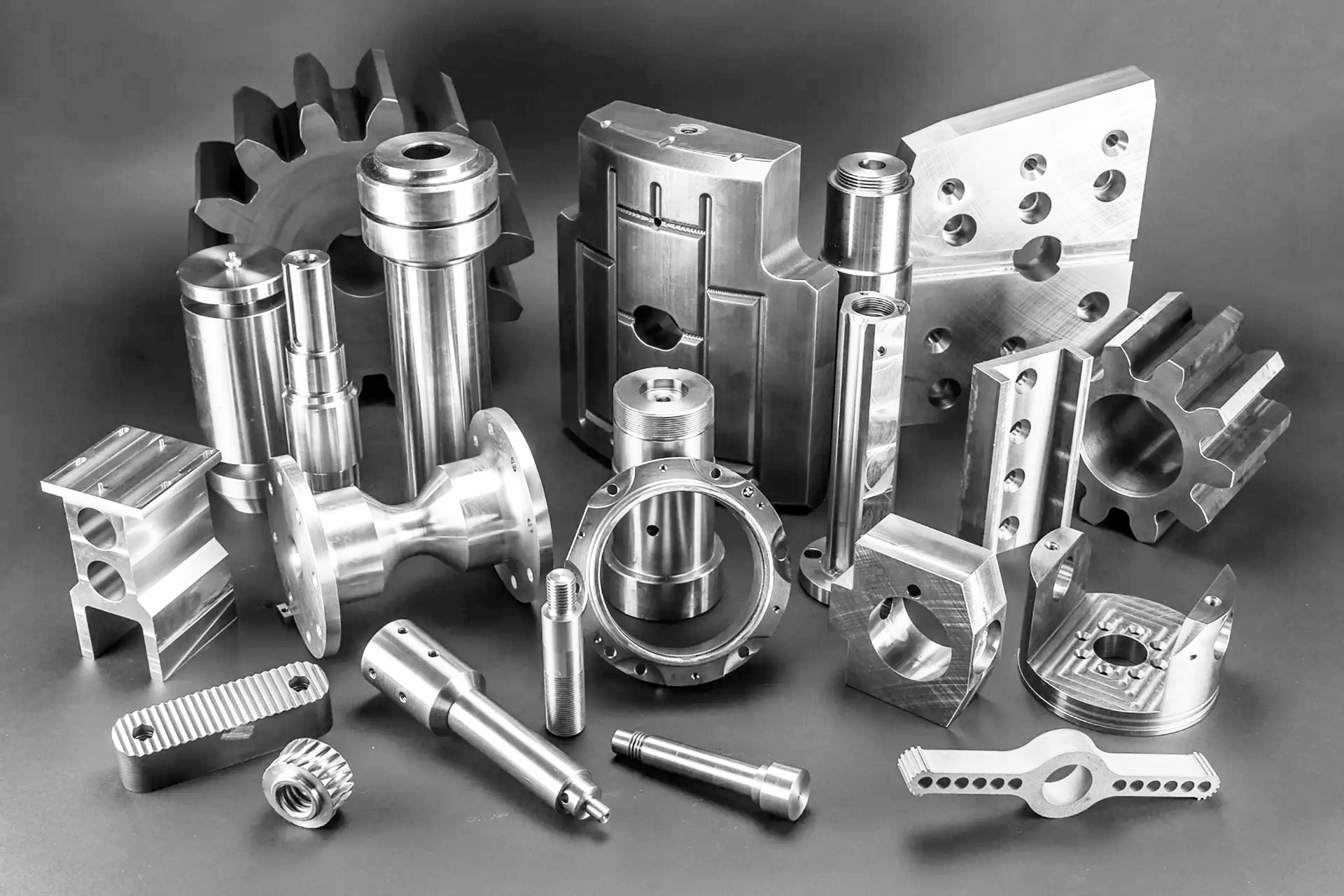
Products
Dongguan Mixiao New Material Technology Co., Ltd. was established in 2013 and is located in Changping Town, Dongguan City, the capital of manufacturing. It has strong independent development, design, and production capabilities, and produces products such as metal and non-metal product molds, automotive and motorcycle molds
-

Service
Dongguan Mixiao New Material Technology Co., Ltd. was established in 2013 and is located in Changping Town, Dongguan City, the capital of manufacturing. It has strong independent development, design, and production capabilities, and produces products such as metal and non-metal product molds, automotive and motorcycle molds
-

Blog
Dongguan Mixiao New Material Technology Co., Ltd. was established in 2013 and is located in Changping Town, Dongguan City, the capital of manufacturing. It has strong independent development, design, and production capabilities, and produces products such as metal and non-metal product molds, automotive and motorcycle molds
-

Contact us
Dongguan Mixiao New Material Technology Co., Ltd. was established in 2013 and is located in Changping Town, Dongguan City, the capital of manufacturing. It has strong independent development, design, and production capabilities, and produces products such as metal and non-metal product molds, automotive and motorcycle molds

The Science Behind Hard Alloy Sawtooth and Material Selection: Unraveling the Secrets of Precision Engineering
Release time:
Oct 06,2026
The Science Behind Hard Alloy Sawtooth and Material Selection Manufacturing processes involving precision tools require a deep understanding of materials and their properties. Hard alloy sawtooth tools play a crucial role in various machining applications, especially in the fields of die casting and forging. This article explores the science behind hard alloy sawtooth designs and the critical aspe

The Science Behind Hard Alloy Sawtooth and Material Selection
Manufacturing processes involving precision tools require a deep understanding of materials and their properties. Hard alloy sawtooth tools play a crucial role in various machining applications, especially in the fields of die casting and forging. This article explores the science behind hard alloy sawtooth designs and the critical aspects of material selection, ensuring that manufacturers make informed decisions for optimal performance and longevity.
Table of Contents
1. Understanding Hard Alloys: What Are They?
2. The Importance of Sawtooth Design in Manufacturing
3. Key Properties of Hard Alloys
4. Material Selection for Hard Alloy Sawtooth Tools
4.1. Common Materials Used
4.2. Factors Influencing Material Choice
5. The Manufacturing Process of Hard Alloy Sawtooth Tools
5.1. Key Techniques and Technologies
5.2. Quality Control Measures
6. Applications of Hard Alloy Sawtooth Tools
7. Innovations in Hard Alloy Material Technology
8. FAQs about Hard Alloy Sawtooth Tools
9. Conclusion: The Future of Hard Alloy Sawtooth Manufacturing
1. Understanding Hard Alloys: What Are They?
Hard alloys, often referred to as hard metal or cemented carbide, are composite materials made by combining a hard material with a metal binder. These alloys are renowned for their exceptional hardness, strength, and wear resistance, making them ideal for cutting tools and dies. The most common hard alloys include tungsten carbide, cermets, and high-speed steels.
The production of hard alloys typically involves a sintering process, where fine powders of the constituents are compacted and heated to form a solid mass. The resulting material exhibits remarkable mechanical properties, which are essential in high-stress applications such as machining and metal forming.
2. The Importance of Sawtooth Design in Manufacturing
The sawtooth design is critical for achieving efficient cutting and shaping in manufacturing processes. This unique geometry allows for more effective chip removal and better penetration into materials. The angled teeth provide a sharper cutting edge, reducing friction and heat generation during operation.
In industries like die casting and forging, where precision is paramount, the sawtooth design enhances the tool's performance, resulting in higher productivity and improved surface finishes. Understanding the mechanics of this design is vital for manufacturers looking to optimize their tooling solutions.
3. Key Properties of Hard Alloys
When selecting materials for hard alloy sawtooth tools, it is essential to consider several key properties:
- **Hardness**: Hard alloys must maintain high hardness levels to withstand wear and tear during operation.
- **Toughness**: The ability to absorb energy and resist fractures is crucial, especially in high-impact applications.
- **Wear Resistance**: Hard alloys must resist degradation due to friction and contact with other materials.
- **Thermal Stability**: The material should maintain its properties at high temperatures generated during machining processes.
These properties collectively determine the tool's performance and longevity, ultimately impacting productivity and cost-effectiveness in manufacturing environments.
4. Material Selection for Hard Alloy Sawtooth Tools
Choosing the right material for hard alloy sawtooth tools is a multifaceted decision. Several factors influence this choice, including the specific application, machine parameters, and the materials being processed.
4.1. Common Materials Used
- **Tungsten Carbide**: This is the most widely used hard alloy for tooling applications due to its exceptional hardness and wear resistance. It is suitable for cutting harder materials and provides excellent edge retention.
- **Cermets**: Composed of ceramic and metallic materials, cermets offer a balance of hardness and toughness. They are particularly effective in high-speed machining applications.
- **High-Speed Steel (HSS)**: While not as hard as tungsten carbide, HSS is still a popular choice due to its toughness and ability to withstand high temperatures.
4.2. Factors Influencing Material Choice
Several factors should guide material selection for hard alloy sawtooth tools:
1. **Application Requirements**: The specific machining tasks determine the necessary hardness and toughness of the material.
2. **Cost Considerations**: While hard alloys are often more expensive than other materials, their long lifespan and efficiency can offset initial investments.
3. **Compatibility with Workpiece Materials**: The selected alloy must be compatible with the materials being processed to avoid excessive wear or damage.
4. **Manufacturing Process**: The method of production may restrict material options; thus, manufacturers must consider their capabilities when selecting materials.
5. The Manufacturing Process of Hard Alloy Sawtooth Tools
The manufacturing process for hard alloy sawtooth tools involves several steps, each crucial for ensuring high-quality end products.
5.1. Key Techniques and Technologies
1. **Powder Metallurgy**: This technique involves mixing the hard alloy powders and shaping them into the desired geometry before sintering.
2. **Sintering**: The shaped powder is heated to a temperature below its melting point, causing particles to bond together and form a solid structure.
3. **Machining**: After sintering, further machining may be required to achieve precise dimensions and surface finishes.
4. **Coating**: Applying coatings, such as titanium nitride, can enhance surface properties, improving wear resistance and reducing friction.
5.2. Quality Control Measures
To ensure the performance and reliability of hard alloy sawtooth tools, rigorous quality control measures must be implemented. These can include:
- **Material Testing**: Assessing hardness, toughness, and wear resistance through various testing methods.
- **Dimensional Inspection**: Using precision measuring equipment to ensure that tools meet specified dimensions.
- **Functional Testing**: Conducting tests under operational conditions to evaluate performance and durability.
6. Applications of Hard Alloy Sawtooth Tools
Hard alloy sawtooth tools find applications across various industries, including:
- **Aerospace**: Precision machining of components demands high-performance cutting tools to ensure safety and reliability.
- **Automotive**: Manufacturing parts with tight tolerances requires tools that can withstand high wear and thermal loads.
- **Medical Devices**: The production of intricate components necessitates the use of durable and precise tools.
- **Tool and Die Making**: Hard alloy sawtooth tools are essential for the creation of molds and dies used in various manufacturing processes.
7. Innovations in Hard Alloy Material Technology
Recent advancements in material technology have led to the development of new hard alloy compositions and manufacturing techniques. Innovations such as advanced coating techniques and the incorporation of nanomaterials are enhancing the performance of hard alloy sawtooth tools. These developments not only improve tool life but also expand the range of applications in which these tools can be effectively utilized.
Furthermore, research into alternative materials and composites continues to evolve, potentially leading to even more efficient and cost-effective tooling solutions.
8. FAQs about Hard Alloy Sawtooth Tools
**Q1: What is the primary advantage of using hard alloy sawtooth tools?**
A1: Hard alloy sawtooth tools offer superior hardness and wear resistance, leading to enhanced performance and longevity in machining applications.
**Q2: How do I select the right material for my machining needs?**
A2: Consider factors such as application requirements, material compatibility, cost, and the specific machining process when selecting materials.
**Q3: What are the common manufacturing techniques for hard alloy tools?**
A3: Key techniques include powder metallurgy, sintering, and precision machining, along with various coating processes for improved surface performance.
**Q4: Can hard alloy tools be used for all types of materials?**
A4: While hard alloy tools are versatile, their effectiveness may vary based on the workpiece material and the specific application.
**Q5: What is the role of coatings in hard alloy tools?**
A5: Coatings enhance the surface properties of hard alloy tools, improving wear resistance and reducing friction, which can lead to longer tool life.
9. Conclusion: The Future of Hard Alloy Sawtooth Manufacturing
As the demand for precision engineering continues to rise, understanding the science behind hard alloy sawtooth tools and material selection becomes increasingly vital. Manufacturers must stay informed about advancements in materials and technologies to maintain competitive advantages in their respective industries. By prioritizing quality, performance, and innovative solutions, the future of hard alloy sawtooth manufacturing looks promising, with the potential for increased efficiency and productivity across various applications. Embracing these developments will empower manufacturers to meet evolving market demands while ensuring high standards of quality and durability in their products.

SAF Coolest v1.3.1.2 设置面板 GAGSD-ZGYF-JVZFE-ASQ
无数据提示
Sorry, the current column is being updated, please look forward to it!
You can view other columns or returnHome Page