
-

About Us
Dongguan Mixiao New Material Technology Co., Ltd. was established in 2013 and is located in Changping Town, Dongguan City, the capital of manufacturing. It has strong independent development, design, and production capabilities, and produces products such as metal and non-metal product molds, automotive and motorcycle molds
-
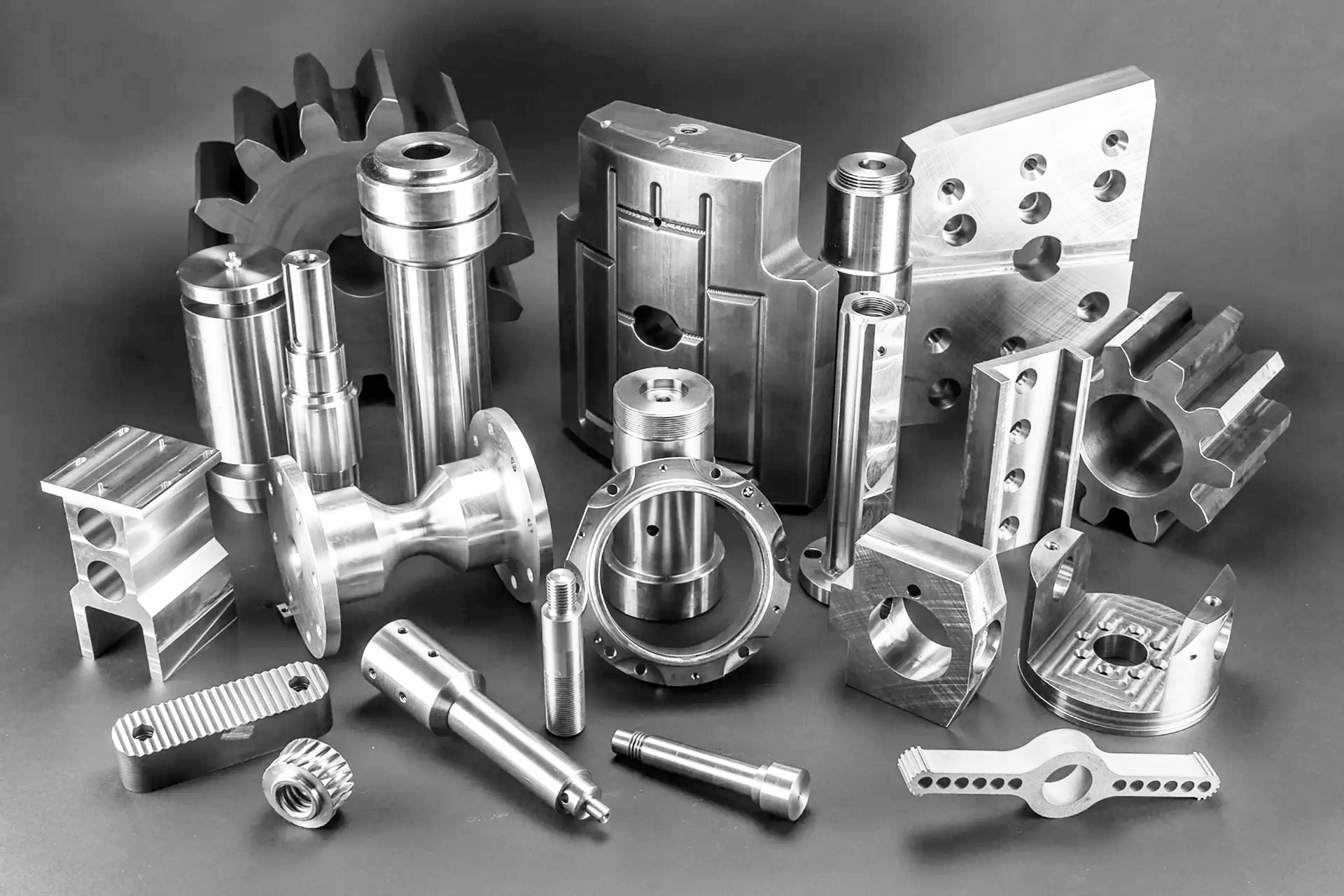
Products
Dongguan Mixiao New Material Technology Co., Ltd. was established in 2013 and is located in Changping Town, Dongguan City, the capital of manufacturing. It has strong independent development, design, and production capabilities, and produces products such as metal and non-metal product molds, automotive and motorcycle molds
-

Service
Dongguan Mixiao New Material Technology Co., Ltd. was established in 2013 and is located in Changping Town, Dongguan City, the capital of manufacturing. It has strong independent development, design, and production capabilities, and produces products such as metal and non-metal product molds, automotive and motorcycle molds
-

Blog
Dongguan Mixiao New Material Technology Co., Ltd. was established in 2013 and is located in Changping Town, Dongguan City, the capital of manufacturing. It has strong independent development, design, and production capabilities, and produces products such as metal and non-metal product molds, automotive and motorcycle molds
-

Contact us
Dongguan Mixiao New Material Technology Co., Ltd. was established in 2013 and is located in Changping Town, Dongguan City, the capital of manufacturing. It has strong independent development, design, and production capabilities, and produces products such as metal and non-metal product molds, automotive and motorcycle molds

The Future of 3D Printing Nozzles: Innovations on the Horizon
Release time:
Sep 26,2026
The Future of 3D Printing Nozzles: Innovations on the Horizon Table of Contents Introduction to 3D Printing Nozzles The Role of Nozzles in 3D Printing Traditional vs. Modern Nozzles Innovative Materials for 3D Printing Nozzles Smart Nozzles and Automation Advanced Designs and Geometries Future Trends in 3D Printing Nozzle Technology Conclusion FAQs Introductio

The Future of 3D Printing Nozzles: Innovations on the Horizon
Table of Contents
- Introduction to 3D Printing Nozzles
- The Role of Nozzles in 3D Printing
- Traditional vs. Modern Nozzles
- Innovative Materials for 3D Printing Nozzles
- Smart Nozzles and Automation
- Advanced Designs and Geometries
- Future Trends in 3D Printing Nozzle Technology
- Conclusion
- FAQs
Introduction to 3D Printing Nozzles
In the rapidly evolving realm of 3D printing, nozzles play a pivotal role in determining the quality, speed, and efficiency of the entire printing process. As the technology advances, so does the need for more sophisticated and innovative nozzle designs that can adapt to various materials and manufacturing requirements. Understanding the future of 3D printing nozzles is essential for engineers, manufacturers, and hobbyists alike, as these components are integral to unlocking the full potential of 3D printing technologies.
The Role of Nozzles in 3D Printing
Nozzles serve as the gateway through which filament or resin is extruded in 3D printing. They are responsible for determining the flow rate, diameter, and temperature of the material used, significantly impacting the final output's intricacy and performance. From controlling layer adhesion to affecting surface finish, the design and functionality of nozzles are crucial.
As industries demand more complex geometries and faster production times, the traditional nozzle designs often fall short. Therefore, innovation in nozzle technology is driving a new era of manufacturing, where precision and efficiency are key.
Traditional vs. Modern Nozzles
While traditional 3D printing nozzles have served their purpose well, they often come with limitations such as clogging, inconsistent extrusion rates, and limited compatibility with diverse materials. Modern nozzles, however, are engineered using advanced technologies to overcome these challenges.
Advantages of Modern Nozzles
- **Higher Precision**: Advanced nozzles are designed for improved accuracy, allowing for finer details and smoother surfaces.
- **Material Compatibility**: New designs can accommodate a broader range of materials, including composites and flexible filaments.
- **Reduced Clogging**: Innovations such as self-cleaning features minimize the risk of blockages during printing.
Innovative Materials for 3D Printing Nozzles
The evolution of 3D printing nozzles is also closely tied to the materials used in their construction. Traditional brass nozzles are being replaced or complemented by a variety of innovative materials such as:
Ceramic Nozzles
Ceramic nozzles offer excellent wear resistance and thermal stability, making them ideal for high-temperature applications. Their non-stick surface significantly reduces the likelihood of material buildup.
Hardened Steel Nozzles
Hardened steel nozzles provide enhanced durability, particularly when printing with abrasive materials. These nozzles can withstand the wear and tear associated with high-volume production.
Composite Nozzles
Composite nozzles incorporate multiple materials to achieve specific performance characteristics. For instance, some may combine metal with polymers to enhance thermal conductivity while reducing weight.
Smart Nozzles and Automation
One of the most exciting trends in 3D printing is the integration of smart technology into nozzle designs. Smart nozzles can utilize sensors and software to optimize printing performance dynamically.
Features of Smart Nozzles
- **Real-Time Monitoring**: Sensors can monitor temperature and flow rates, allowing for immediate adjustments to prevent issues like clogging or inconsistent extrusion.
- **Automated Cleaning**: Some smart nozzles feature automatic cleaning mechanisms that activate between prints, ensuring that each job starts with a clean slate.
- **Adaptive Printing Parameters**: Smart nozzles can adjust printing settings based on the specific material being used, enhancing the overall quality of the output.
Advanced Designs and Geometries
The geometry of a nozzle significantly influences its performance. Advanced designs are emerging that focus on optimizing flow dynamics and minimizing pressure drop, leading to better extrusion quality.
New Geometric Configurations
- **Multi-Channel Nozzles**: These nozzles allow for the simultaneous extrusion of multiple filaments, enabling complex color blending and the use of composite materials.
- **Variable Diameter Nozzles**: By adjusting the diameter of the nozzle during printing, manufacturers can control the flow rate and material deposition more effectively, leading to improved layer adhesion.
Future Trends in 3D Printing Nozzle Technology
As we look ahead, several trends are poised to shape the future of 3D printing nozzles:
Personalization and Customization
With the growth of customized manufacturing, nozzles that can be tailored to specific applications will become increasingly popular. This trend is driven by the demand for unique products across various industries, from medical devices to automotive parts.
Sustainability and Material Innovation
As the focus on sustainability intensifies, the development of biodegradable and recyclable materials for nozzles is expected. Innovations in material science will lead to nozzles designed for environmentally friendly 3D printing processes.
Integration with AI and Machine Learning
The incorporation of AI and machine learning into nozzle technology will allow for predictive maintenance and optimization. By analyzing historical data, smart nozzles can anticipate issues and maintain consistent performance.
Conclusion
The future of 3D printing nozzles is bright, marked by innovations that enhance performance, efficiency, and adaptability. As manufacturers continue to push the boundaries of what is possible, the evolution of nozzle technology will play a critical role in shaping the next generation of 3D printing applications. By embracing these advancements, industries can improve their production processes, reduce costs, and create products that were once deemed impossible.
FAQs
1. What materials are best for 3D printing nozzles?
The best materials include hardened steel, ceramic, and composite materials, each offering unique benefits such as increased durability, wear resistance, and compatibility with various filaments.
2. How do smart nozzles improve 3D printing?
Smart nozzles utilize sensors and automation to monitor and adjust printing parameters in real-time, leading to better quality prints and reduced risk of errors.
3. Can I use a traditional nozzle for all types of filament?
While some traditional nozzles can accommodate various filaments, they may struggle with abrasive or high-temperature materials. It’s often better to use specialized nozzles for specific applications.
4. What is the impact of nozzle geometry on printing quality?
Nozzle geometry affects flow dynamics, pressure drop, and material deposition rates, all of which contribute to the overall quality and precision of the final print.
5. Are there sustainable options for 3D printing nozzles?
Yes, ongoing research is leading to the development of biodegradable and recyclable materials for nozzle fabrication, aligning with the growing emphasis on sustainability in manufacturing.

SAF Coolest v1.3.1.2 设置面板 GAGSD-ZGYF-JVZFE-ASQ
无数据提示
Sorry, the current column is being updated, please look forward to it!
You can view other columns or returnHome Page