
-

About Us
Dongguan Mixiao New Material Technology Co., Ltd. was established in 2013 and is located in Changping Town, Dongguan City, the capital of manufacturing. It has strong independent development, design, and production capabilities, and produces products such as metal and non-metal product molds, automotive and motorcycle molds
-
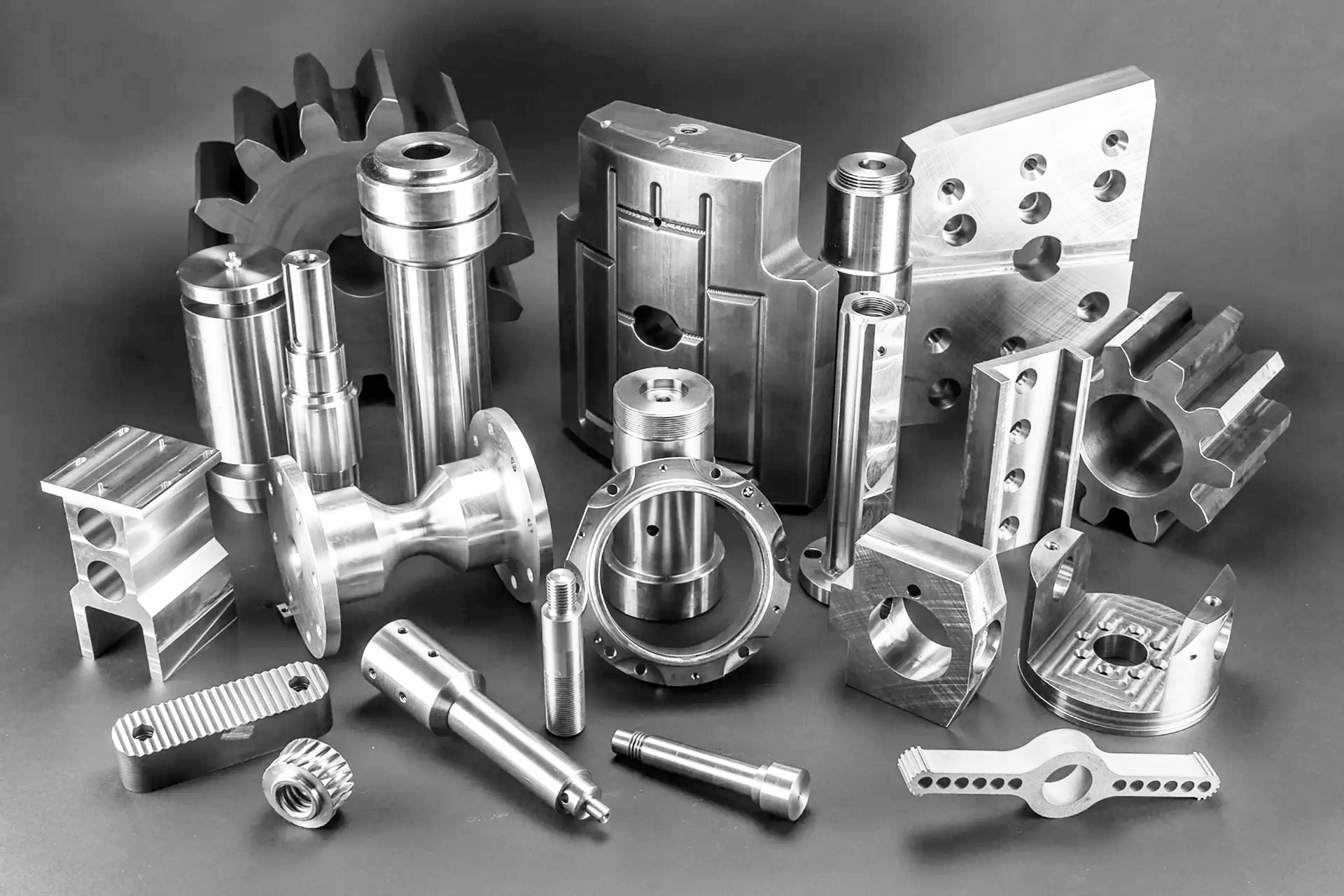
Products
Dongguan Mixiao New Material Technology Co., Ltd. was established in 2013 and is located in Changping Town, Dongguan City, the capital of manufacturing. It has strong independent development, design, and production capabilities, and produces products such as metal and non-metal product molds, automotive and motorcycle molds
-

Service
Dongguan Mixiao New Material Technology Co., Ltd. was established in 2013 and is located in Changping Town, Dongguan City, the capital of manufacturing. It has strong independent development, design, and production capabilities, and produces products such as metal and non-metal product molds, automotive and motorcycle molds
-

Blog
Dongguan Mixiao New Material Technology Co., Ltd. was established in 2013 and is located in Changping Town, Dongguan City, the capital of manufacturing. It has strong independent development, design, and production capabilities, and produces products such as metal and non-metal product molds, automotive and motorcycle molds
-

Contact us
Dongguan Mixiao New Material Technology Co., Ltd. was established in 2013 and is located in Changping Town, Dongguan City, the capital of manufacturing. It has strong independent development, design, and production capabilities, and produces products such as metal and non-metal product molds, automotive and motorcycle molds

Understanding Diamond Segments: A Key Component in Manufacturing and Processing Machinery
Release time:
Sep 21,2026
Diamond segments are essential components used in various manufacturing and processing applications, particularly in machining, die-casting, and forging molds. These segments, often comprising a matrix of metal and diamond particles, are engineered to enhance the cutting, grinding, and drilling processes. Their unique properties make them indispensable tools for professionals looking to achieve pr

One of the primary advantages of diamond segments is their exceptional hardness and wear resistance. Diamonds are the hardest known material, which enables these segments to cut through tougher materials with ease. This quality not only improves the speed of production but also extends the lifespan of the tools, reducing the frequency of replacements and maintenance. Consequently, manufacturers benefit from increased productivity and lower operational costs.
In the manufacturing of molds, diamond segments are particularly valuable. They are used in the creation of intricate designs and patterns, which are often required for specialized products. The ability of diamond segments to maintain their sharpness over extended periods allows for consistent quality in the final output, minimizing defects and enhancing overall product reliability.
Moreover, diamond segments offer versatility across different materials. Whether working with metal, concrete, or composite materials, the adaptability of these segments ensures that they can cater to a wide range of applications. This versatility allows professionals to streamline their tool inventory, as a single type of segment can often be used for multiple purposes.
When utilizing diamond segments, it is crucial for manufacturers to consider factors such as segment size, bonding strength, and grit concentration. These parameters influence the performance and efficiency of the segments in various applications. For instance, a finer grit may be more suitable for precision work, while a coarser grit can expedite material removal in heavier applications. Understanding these specifications enables professionals to select the right diamond segments tailored to their specific needs.
Furthermore, advancements in manufacturing technologies continue to enhance the performance of diamond segments. Innovations in segment bonding and the development of synthetic diamonds have resulted in products that not only perform better but are also more cost-effective. As the industry evolves, staying informed about these advancements can provide manufacturers with a competitive edge.
In summary, diamond segments play a crucial role in the manufacturing and processing machinery sector, particularly in the fields of tooling and mold creation. Their durability, versatility, and ability to maintain cutting efficiency make them a vital investment for professionals aiming to improve their production processes. By understanding the characteristics and applications of diamond segments, manufacturers can optimize their operations and achieve superior results in their respective industries.

SAF Coolest v1.3.1.2 设置面板 GAGSD-ZGYF-JVZFE-ASQ
无数据提示
Sorry, the current column is being updated, please look forward to it!
You can view other columns or returnHome Page