
-

About Us
Dongguan Mixiao New Material Technology Co., Ltd. was established in 2013 and is located in Changping Town, Dongguan City, the capital of manufacturing. It has strong independent development, design, and production capabilities, and produces products such as metal and non-metal product molds, automotive and motorcycle molds
-
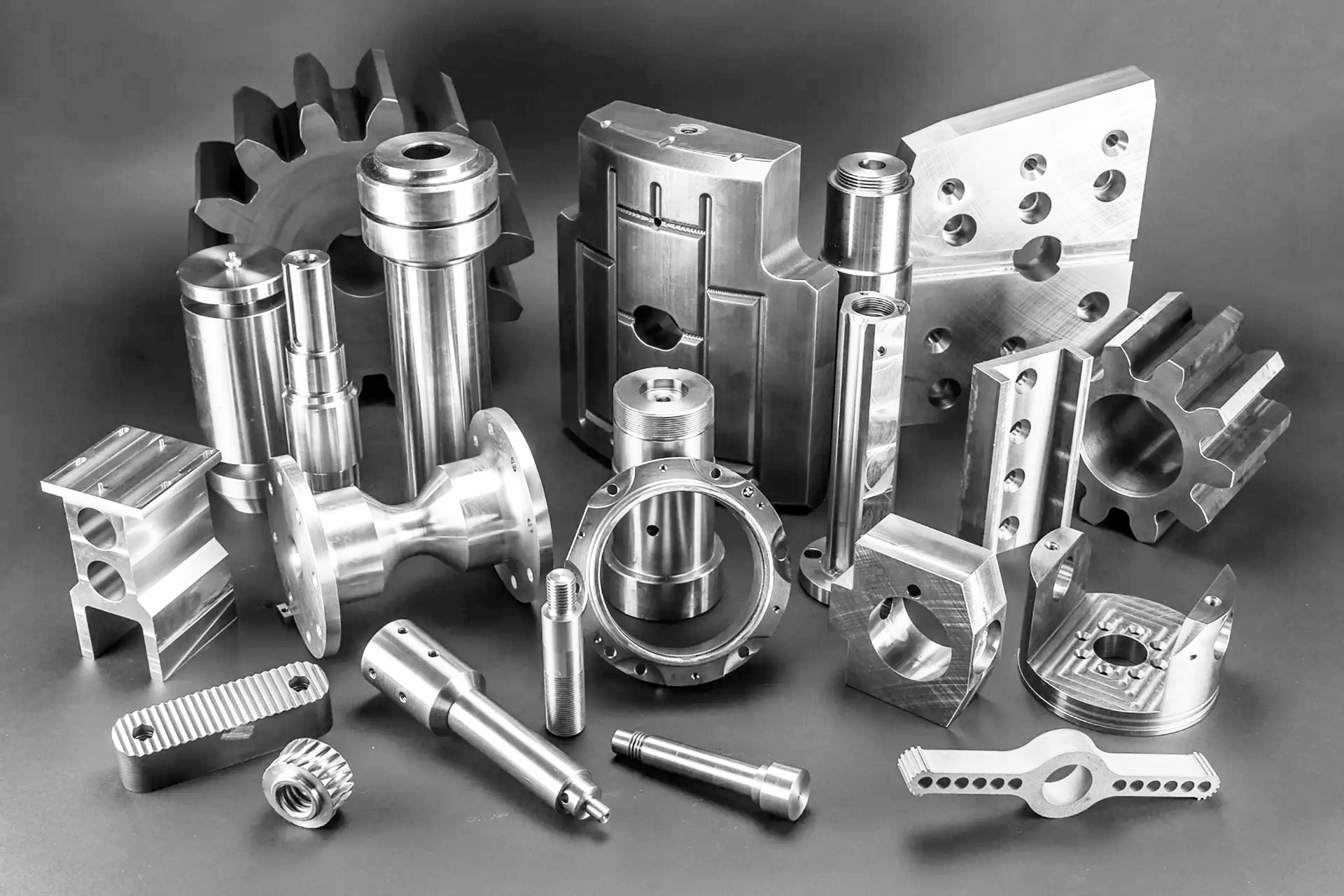
Products
Dongguan Mixiao New Material Technology Co., Ltd. was established in 2013 and is located in Changping Town, Dongguan City, the capital of manufacturing. It has strong independent development, design, and production capabilities, and produces products such as metal and non-metal product molds, automotive and motorcycle molds
-

Service
Dongguan Mixiao New Material Technology Co., Ltd. was established in 2013 and is located in Changping Town, Dongguan City, the capital of manufacturing. It has strong independent development, design, and production capabilities, and produces products such as metal and non-metal product molds, automotive and motorcycle molds
-

Blog
Dongguan Mixiao New Material Technology Co., Ltd. was established in 2013 and is located in Changping Town, Dongguan City, the capital of manufacturing. It has strong independent development, design, and production capabilities, and produces products such as metal and non-metal product molds, automotive and motorcycle molds
-

Contact us
Dongguan Mixiao New Material Technology Co., Ltd. was established in 2013 and is located in Changping Town, Dongguan City, the capital of manufacturing. It has strong independent development, design, and production capabilities, and produces products such as metal and non-metal product molds, automotive and motorcycle molds

Hard Alloy Sawtooth: Essential for High-Volume Production Runs
Release time:
Aug 27,2026
Hard Alloy Sawtooth: Your Ultimate Guide to High-Volume Production Success Introduction to Hard Alloy Sawtooth Technology In the fast-paced world of manufacturing, efficiency and precision are paramount. **Hard alloy sawtooth technology** stands out as a critical component in ensuring high-volume production runs meet demanding quality and performance standards. These specialized sawtooth blades

Hard Alloy Sawtooth: Your Ultimate Guide to High-Volume Production Success
Introduction to Hard Alloy Sawtooth Technology
In the fast-paced world of manufacturing, efficiency and precision are paramount. **Hard alloy sawtooth technology** stands out as a critical component in ensuring high-volume production runs meet demanding quality and performance standards. These specialized sawtooth blades are crafted from durable alloys, providing longevity and exceptional cutting performance.
The Importance of Hard Alloy Sawtooth in Manufacturing
Understanding the value of hard alloy sawtooth technology is essential for manufacturers looking to optimize their production processes. These tools are integral to various applications, including machining, molding, and die-casting. They streamline operations, reduce downtime, and significantly enhance output quality.
Key Benefits of Using Hard Alloy Sawtooth
**1. Enhanced Durability**
One of the primary advantages of hard alloy sawtooth is its durability. Made from high-quality alloys, these tools withstand wear and tear, making them ideal for continuous use in high-volume settings.
**2. Precision Cutting Performance**
The design of hard alloy sawtooth ensures clean, precise cuts, minimizing waste and ensuring tighter tolerances. This precision is essential in applications where material integrity affects the final product's quality.
**3. Reduced Production Costs**
By employing hard alloy sawtooth tools, manufacturers can achieve higher efficiency and reduce production costs. The longevity of these blades decreases the frequency of replacements, saving time and money.
**4. Versatility in Application**
Hard alloy sawtooth technology is versatile and can be used across various materials, including metals, plastics, and composites. This adaptability makes it a valuable asset in diverse manufacturing environments.
Applications of Hard Alloy Sawtooth in High-Volume Production
The applications of hard alloy sawtooth extend across multiple manufacturing sectors. Let's dive into some of the most prominent uses.
1. Machining Processes
In machining, hard alloy sawtooth blades are used for cutting, shaping, and finishing materials. Their ability to maintain sharpness over extended periods ensures efficiency in operations, especially in industries that demand high output rates.
2. Mold Making
For mold-making processes, hard alloy sawtooth is vital. They facilitate the creation of precise molds for various products, ensuring that the final output meets rigorous quality standards. The sawtooth design also aids in reducing the overall cycle time.
3. Die-Casting Operations
In die-casting, the precision offered by hard alloy sawtooth is indispensable. These tools allow for intricate designs and complex geometries that are often required in modern manufacturing.
Choosing the Right Hard Alloy Sawtooth for Your Needs
Selecting the appropriate hard alloy sawtooth requires careful consideration of various factors. Here’s what to keep in mind:
1. Material Compatibility
Different alloys are suited for various materials. Ensure the sawtooth blade you choose is compatible with the material you’ll be cutting or shaping.
2. Blade Geometry and Design
The geometry of the sawtooth blade impacts its performance. Look for designs optimized for your specific application to achieve the best results.
3. Manufacturer Reputation
Not all manufacturers offer the same quality. Research and choose reputable brands known for producing reliable and durable hard alloy sawtooth tools.
4. Cost Considerations
While it may be tempting to opt for the cheapest options, investing in high-quality hard alloy sawtooth can pay off in the long run through enhanced performance and durability.
Maintenance Tips for Hard Alloy Sawtooth Blades
To maximize the lifespan and efficiency of your hard alloy sawtooth, proper maintenance is essential. Here are some tips:
1. Regular Cleaning
Dust and debris can accumulate on the blades over time. Regular cleaning ensures optimal performance and cutting efficiency.
2. Sharpening Techniques
Maintain the sharpness of the sawtooth by following recommended sharpening techniques. This helps in retaining the blade's cutting performance.
3. Proper Storage
Store hard alloy sawtooth tools in a dry, cool environment to prevent corrosion and damage when not in use. Proper storage practices can significantly enhance their lifespan.
Future Trends in Hard Alloy Sawtooth Technology
As technology evolves, so does the manufacturing landscape. Here are some future trends to watch for in hard alloy sawtooth technology:
1. Advancements in Material Science
New materials and processes are continuously being developed, which may lead to the creation of even more durable and efficient hard alloy sawtooth blades.
2. Automation in Manufacturing
The integration of automation in manufacturing processes may change how hard alloy sawtooth tools are utilized, potentially leading to improved efficiency and reduced manual intervention.
3. Growth of Sustainable Practices
As industries shift towards sustainability, there may be a growing focus on eco-friendly materials and production methods in the development of hard alloy sawtooth technology.
Frequently Asked Questions (FAQs)
1. What materials can hard alloy sawtooth blades cut?
Hard alloy sawtooth blades can cut various materials, including metals, plastics, and composites, making them extremely versatile.
2. How long do hard alloy sawtooth blades typically last?
The lifespan of hard alloy sawtooth blades depends on usage and maintenance but can last several months to years with proper care.
3. Are hard alloy sawtooth blades suitable for all machining applications?
While they are versatile, specific applications may require tailored designs. It’s essential to choose the right blade for the job.
4. How can I tell when it's time to replace my hard alloy sawtooth blade?
Signs such as decreased cutting performance, visible wear, and increased material waste are indicators that it may be time for a replacement.
5. What is the best way to maintain hard alloy sawtooth blades?
Regular cleaning, proper sharpening, and appropriate storage practices are crucial to maintain the performance and longevity of hard alloy sawtooth blades.
Conclusion
In conclusion, hard alloy sawtooth technology is essential for high-volume production runs, offering unparalleled durability, precision, and cost-effectiveness. By understanding their applications, benefits, and maintenance needs, manufacturers can significantly enhance their operational efficiency and product quality. Investing in the right hard alloy sawtooth tools not only improves your production processes but also positions your business for success in an increasingly competitive market. Embrace this technology to stay ahead and ensure your manufacturing operations remain efficient and profitable.

SAF Coolest v1.3.1.2 设置面板 GAGSD-ZGYF-JVZFE-ASQ
无数据提示
Sorry, the current column is being updated, please look forward to it!
You can view other columns or returnHome Page