
-

About Us
Dongguan Mixiao New Material Technology Co., Ltd. was established in 2013 and is located in Changping Town, Dongguan City, the capital of manufacturing. It has strong independent development, design, and production capabilities, and produces products such as metal and non-metal product molds, automotive and motorcycle molds
-
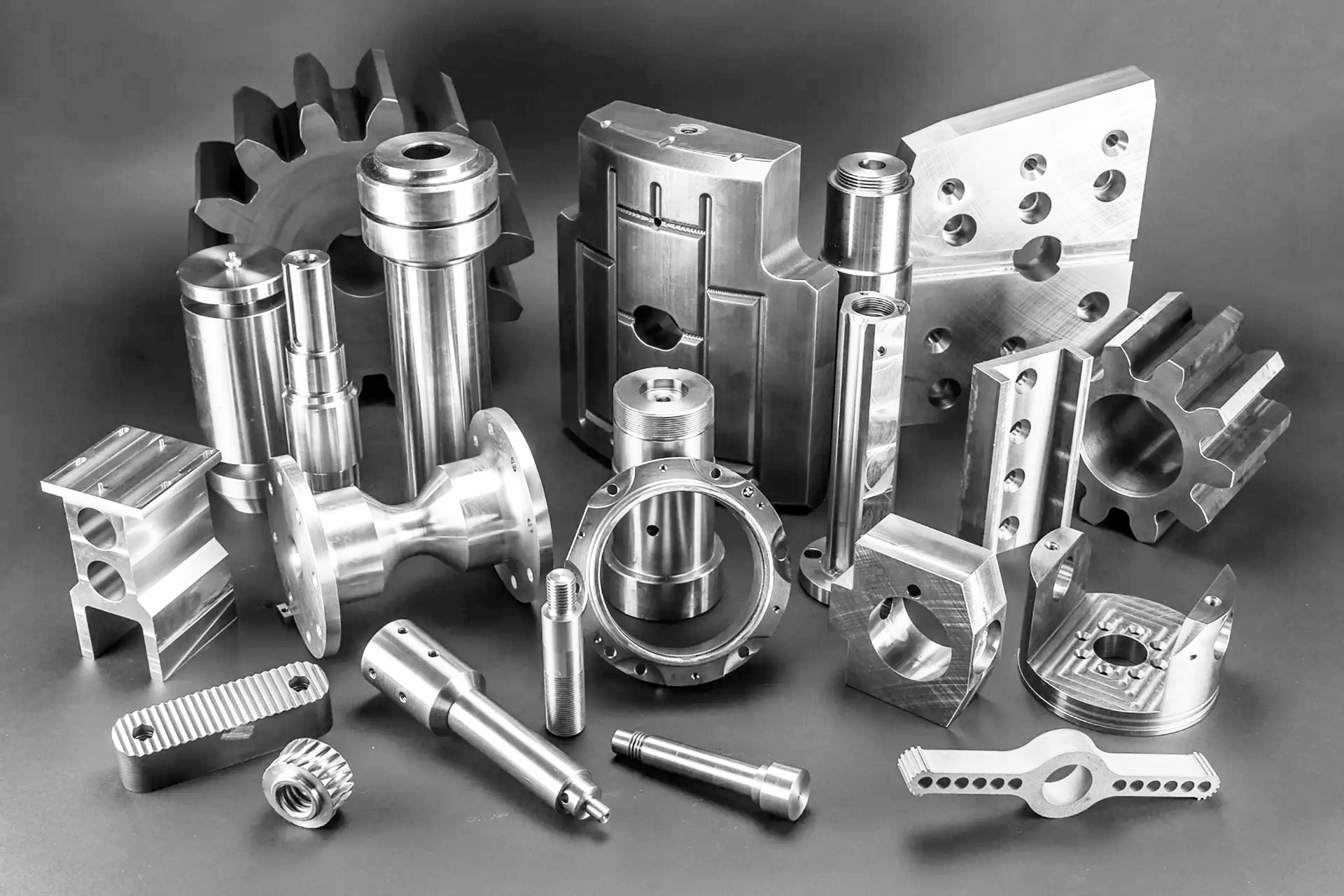
Products
Dongguan Mixiao New Material Technology Co., Ltd. was established in 2013 and is located in Changping Town, Dongguan City, the capital of manufacturing. It has strong independent development, design, and production capabilities, and produces products such as metal and non-metal product molds, automotive and motorcycle molds
-

Service
Dongguan Mixiao New Material Technology Co., Ltd. was established in 2013 and is located in Changping Town, Dongguan City, the capital of manufacturing. It has strong independent development, design, and production capabilities, and produces products such as metal and non-metal product molds, automotive and motorcycle molds
-

Blog
Dongguan Mixiao New Material Technology Co., Ltd. was established in 2013 and is located in Changping Town, Dongguan City, the capital of manufacturing. It has strong independent development, design, and production capabilities, and produces products such as metal and non-metal product molds, automotive and motorcycle molds
-

Contact us
Dongguan Mixiao New Material Technology Co., Ltd. was established in 2013 and is located in Changping Town, Dongguan City, the capital of manufacturing. It has strong independent development, design, and production capabilities, and produces products such as metal and non-metal product molds, automotive and motorcycle molds

3D Printing Nozzles: A Comprehensive Resource for Manufacturers
Release time:
Aug 17,2026
3D Printing Nozzles: A Comprehensive Resource for Manufacturers Table of Contents Introduction to 3D Printing Nozzles Types of 3D Printing Nozzles Standard Nozzles Specialty Nozzles Nozzle Compatibility with Different Printers Materials Used in 3D Printing Nozzles Understanding Nozzle Dimensions How to Choose the Right Nozzle for Y

3D Printing Nozzles: A Comprehensive Resource for Manufacturers
Table of Contents
- Introduction to 3D Printing Nozzles
- Types of 3D Printing Nozzles
- Nozzle Compatibility with Different Printers
- Materials Used in 3D Printing Nozzles
- Understanding Nozzle Dimensions
- How to Choose the Right Nozzle for Your Application
- Maintenance and Cleaning of Nozzles
- Troubleshooting Common Nozzle Issues
- The Future of 3D Printing Nozzles
- Frequently Asked Questions
- Conclusion
Introduction to 3D Printing Nozzles
3D printing nozzles serve as the critical component in additive manufacturing, dictating the quality, speed, and efficiency of the printing process. The nozzle is where the filament material is melted and extruded to create the desired object layer by layer. For manufacturers, understanding the ins and outs of 3D printing nozzles is essential to enhancing production quality and reducing downtime. This comprehensive resource will guide you through the various types of nozzles, their materials, and how to select the ideal option for your specific manufacturing needs.
Types of 3D Printing Nozzles
When it comes to 3D printing nozzles, various types exist, each tailored for specific applications and materials. Here, we will delve into the two primary categories: standard nozzles and specialty nozzles.
Standard Nozzles
Standard nozzles are the most commonly used in Fused Deposition Modeling (FDM) printers. They are typically made from brass and come in various diameters, allowing manufacturers to choose based on the desired resolution and flow rate. Standard nozzles are ideal for general-purpose printing and work well with most filament types, including PLA, ABS, and PETG.
Specialty Nozzles
Specialty nozzles are designed for specific applications and materials. These include:
- **Hardened Steel Nozzles**: Perfect for abrasive materials like carbon fiber and metal-infused filaments.
- **Ruby Nozzles**: Offer exceptional durability and resistance to wear, ideal for high-performance printing.
- **Micro Nozzles**: Enable ultra-fine detail work, commonly used in jewelry and intricate prototypes.
Nozzle Compatibility with Different Printers
Not all nozzles fit every 3D printer. It is crucial for manufacturers to ensure compatibility between their nozzle choice and the specific model of their printer. Manufacturers typically provide specifications on compatible nozzle types, and it is advisable to consult the user manual or manufacturer’s website for detailed information.
Materials Used in 3D Printing Nozzles
The material of a nozzle plays a significant role in its performance. Here are the most common materials used:
- **Brass**: Offers excellent thermal conductivity and is suitable for most standard filaments but may wear out with abrasive materials.
- **Stainless Steel**: More resistant to corrosion and wear, suitable for filaments with additives but has lower thermal conductivity compared to brass.
- **Hardened Steel**: Specifically designed for high-wear applications, these nozzles can handle abrasive filaments with ease.
- **Ruby**: A premium choice for high-end applications, ruby nozzles provide unrivaled durability and heat retention.
Understanding Nozzle Dimensions
Nozzle dimensions typically refer to the diameter and length of the nozzle. The most common diameters range from 0.2 mm to 1.2 mm, each catering to different printing resolutions and material flow rates. A smaller nozzle diameter results in finer detail but slower print speeds, while larger diameters allow for quicker prints with thicker layers.
How to Choose the Right Nozzle for Your Application
Choosing the right nozzle is paramount for achieving optimal printing results. Here are key considerations:
1. **Print Detail**: Determine the level of detail required for your project. For intricate designs, opt for a smaller nozzle.
2. **Material Type**: Consider the filament you will be using. For abrasive materials, choose hardened steel or ruby nozzles.
3. **Print Speed**: If speed is a priority, larger nozzles can significantly reduce print times.
4. **Printer Compatibility**: Always check that the nozzle is compatible with your 3D printer.
Maintenance and Cleaning of Nozzles
Regular maintenance ensures nozzles perform optimally and longevity is achieved. Here are essential maintenance tips:
- **Routine Cleaning**: Use a cold pull method with nylon filament or dedicated cleaning filament to remove clogs.
- **Check for Wear**: Inspect nozzles regularly for signs of wear, especially if using abrasive filaments.
- **Proper Storage**: Store nozzles in a dry, dust-free environment to prevent contamination.
Troubleshooting Common Nozzle Issues
Even with maintenance, issues can arise. Here are common problems and their solutions:
- **Clogs**: Frequently caused by debris or inappropriate filament. A cold pull can often resolve this.
- **Under-extrusion**: May indicate a damaged nozzle or incorrect temperature settings. Adjust settings or replace the nozzle.
- **Blobs and Zits**: Often due to inconsistent pressure or temperature. Regularly check the filament and the settings.
The Future of 3D Printing Nozzles
As technology advances, so too will the design and capabilities of 3D printing nozzles. Innovations may include:
- **Smart Nozzles**: Incorporating sensors to monitor flow rates and adjust temperatures automatically.
- **Modular Designs**: Allowing manufacturers to easily swap out components for different applications.
- **Enhanced Materials**: Development of new materials to improve wear resistance and thermal conductivity.
Frequently Asked Questions
1. What is the best material for 3D printing nozzles?
Brass is the most commonly used material, but for abrasive filaments, hardened steel or ruby is recommended for durability.
2. How often should I replace my 3D printing nozzle?
This depends on usage and materials. Regular inspection is key; replace nozzles showing signs of wear or clogging.
3. Can I use a smaller nozzle for all prints?
While smaller nozzles offer finer detail, they may slow down the printing process and are not suitable for high flow rates.
4. What causes clogging in nozzles?
Clogs can result from inconsistent filament, debris, or incorrect temperature settings.
5. How can I improve my nozzle's lifespan?
Regular cleaning, using compatible materials, and proper storage can significantly enhance the lifespan of your nozzles.
Conclusion
In the rapidly evolving field of 3D printing, understanding the intricacies of **3D printing nozzles** is crucial for manufacturers seeking to optimize their production processes. By selecting the right nozzle, maintaining it properly, and staying informed about innovations, manufacturers can significantly enhance their 3D printing capabilities. As technology progresses, staying abreast of developments in nozzle design and materials will ensure that you remain competitive in the manufacturing landscape.

SAF Coolest v1.3.1.2 设置面板 GAGSD-ZGYF-JVZFE-ASQ
无数据提示
Sorry, the current column is being updated, please look forward to it!
You can view other columns or returnHome Page