
-

About Us
Dongguan Mixiao New Material Technology Co., Ltd. was established in 2013 and is located in Changping Town, Dongguan City, the capital of manufacturing. It has strong independent development, design, and production capabilities, and produces products such as metal and non-metal product molds, automotive and motorcycle molds
-
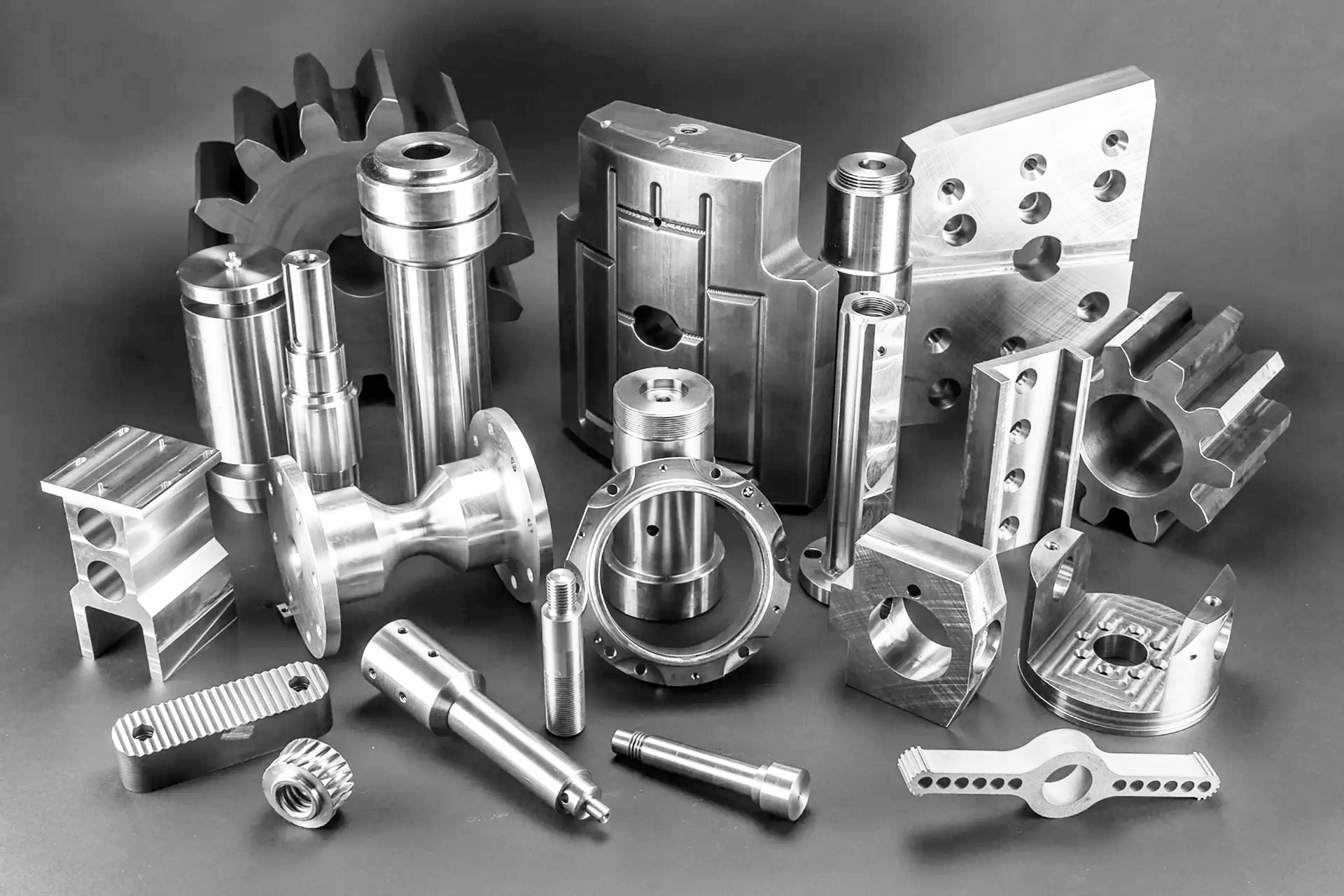
Products
Dongguan Mixiao New Material Technology Co., Ltd. was established in 2013 and is located in Changping Town, Dongguan City, the capital of manufacturing. It has strong independent development, design, and production capabilities, and produces products such as metal and non-metal product molds, automotive and motorcycle molds
-

Service
Dongguan Mixiao New Material Technology Co., Ltd. was established in 2013 and is located in Changping Town, Dongguan City, the capital of manufacturing. It has strong independent development, design, and production capabilities, and produces products such as metal and non-metal product molds, automotive and motorcycle molds
-

Blog
Dongguan Mixiao New Material Technology Co., Ltd. was established in 2013 and is located in Changping Town, Dongguan City, the capital of manufacturing. It has strong independent development, design, and production capabilities, and produces products such as metal and non-metal product molds, automotive and motorcycle molds
-

Contact us
Dongguan Mixiao New Material Technology Co., Ltd. was established in 2013 and is located in Changping Town, Dongguan City, the capital of manufacturing. It has strong independent development, design, and production capabilities, and produces products such as metal and non-metal product molds, automotive and motorcycle molds

Understanding the Role of Rotating Shafts in Beauty Devices: Insights for Manufacturing Professionals
Release time:
Aug 02,2026
In the beauty device industry, the performance and reliability of equipment are paramount for delivering high-quality results. One essential component that plays a significant role in the operation of many beauty devices is the rotating shaft. Understanding the intricacies of rotating shafts can help manufacturers and designers enhance the functionality and durability of their products. A rotating

A rotating shaft serves as a mechanical link that transfers torque and rotational motion from a motor to various components within a beauty device, such as brushes, rollers, and other attachments. The efficiency of a beauty device heavily relies on the design and quality of its rotating shaft. Manufacturers need to consider several factors when developing these components, including the dimensions, weight, and material properties.
Material selection is crucial when designing a rotating shaft for beauty devices. Common materials include stainless steel, aluminum, and high-strength plastics. Stainless steel offers excellent durability and corrosion resistance, which is vital in devices that may come into contact with water or chemicals. Aluminum, while lighter, provides sufficient strength and is often used in applications where weight reduction is essential. High-strength plastics are increasingly popular due to their lightweight nature and resistance to wear and tear.
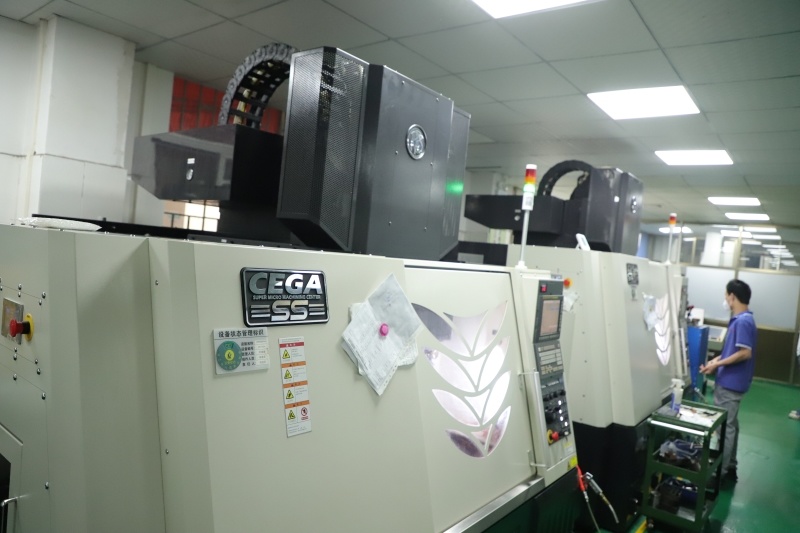
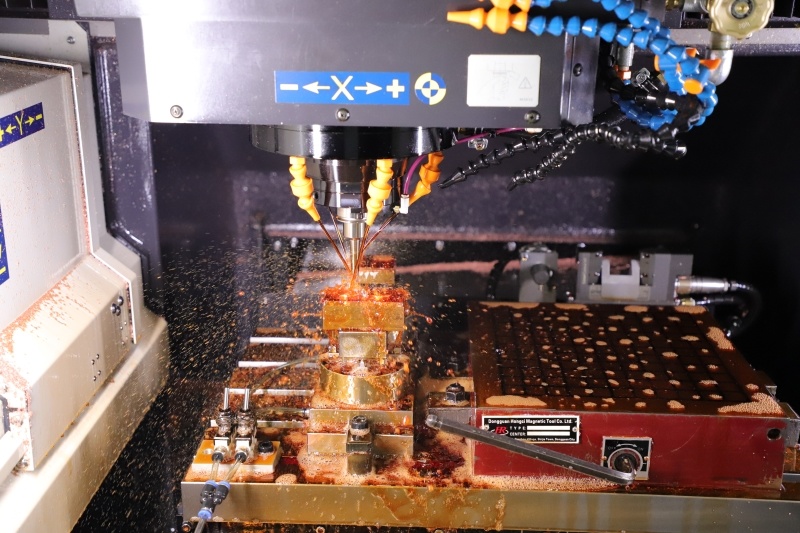
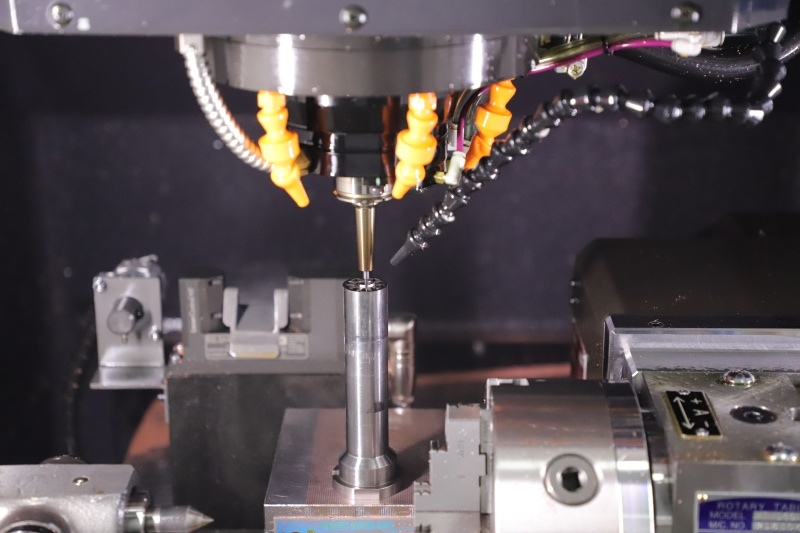
The manufacturing process of rotating shafts also impacts their overall performance. Precision machining techniques, such as CNC turning and milling, ensure that shafts are produced with tight tolerances, minimizing vibration and wear during operation. Additionally, surface treatments like anodizing or plating can enhance corrosion resistance and reduce friction, leading to improved efficiency and longevity.
Moreover, balancing is a critical aspect of rotating shaft design. An unbalanced shaft can lead to excessive vibration, which may result in equipment failure or reduced performance. Manufacturers should implement dynamic balancing techniques during production to ensure the rotating shaft operates smoothly and quietly.
In conclusion, the rotating shaft is a vital component in beauty devices, impacting their efficiency and reliability. By focusing on material selection, precise manufacturing processes, and balancing techniques, manufacturers can create high-quality rotating shafts that enhance the overall performance of beauty devices. Staying informed about the latest advancements in manufacturing technology and best practices will ultimately lead to better products and customer satisfaction in the competitive beauty device market.

SAF Coolest v1.3.1.2 设置面板 GAGSD-ZGYF-JVZFE-ASQ
无数据提示
Sorry, the current column is being updated, please look forward to it!
You can view other columns or returnHome Page