
-

About Us
Dongguan Mixiao New Material Technology Co., Ltd. was established in 2013 and is located in Changping Town, Dongguan City, the capital of manufacturing. It has strong independent development, design, and production capabilities, and produces products such as metal and non-metal product molds, automotive and motorcycle molds
-
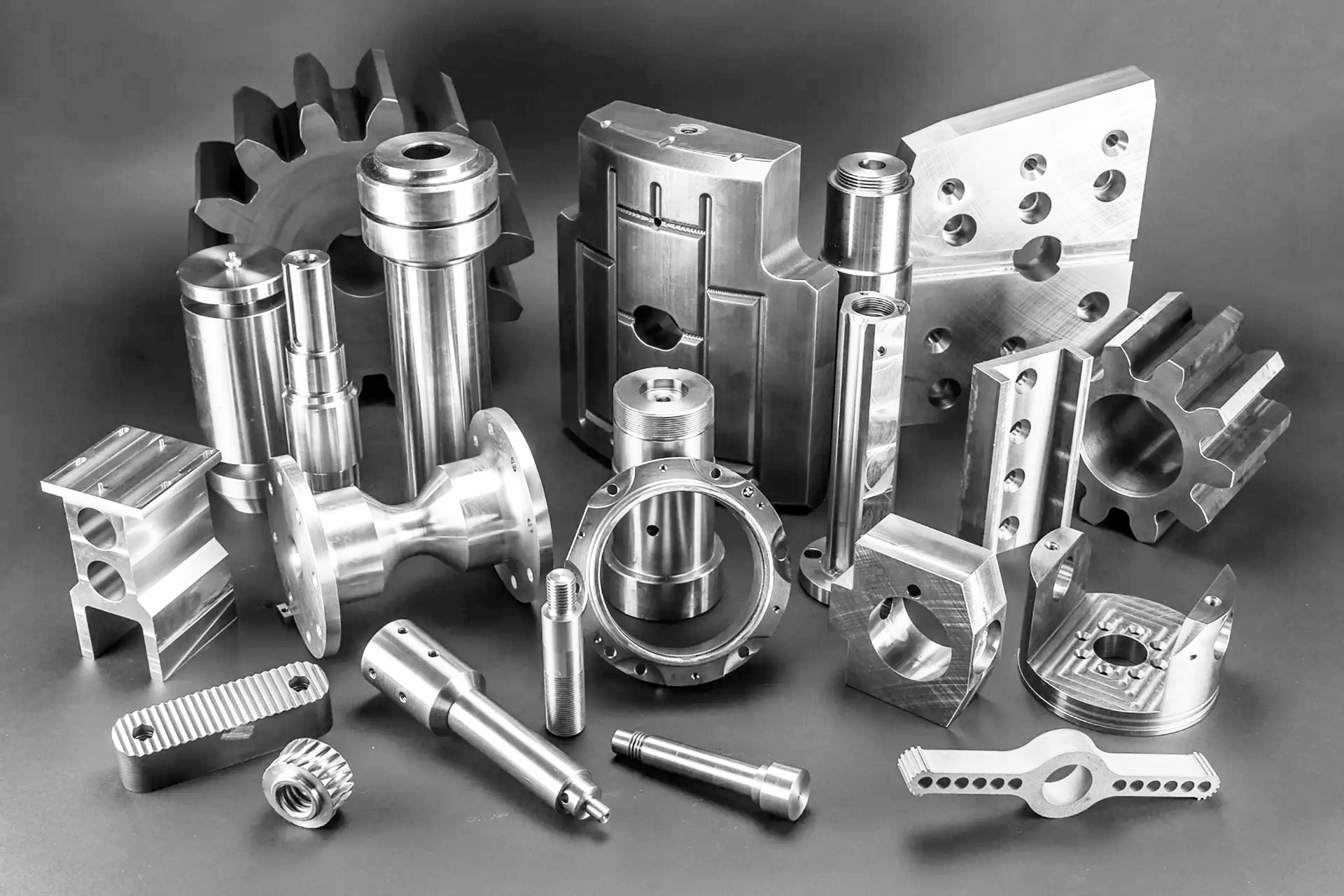
Products
Dongguan Mixiao New Material Technology Co., Ltd. was established in 2013 and is located in Changping Town, Dongguan City, the capital of manufacturing. It has strong independent development, design, and production capabilities, and produces products such as metal and non-metal product molds, automotive and motorcycle molds
-

Service
Dongguan Mixiao New Material Technology Co., Ltd. was established in 2013 and is located in Changping Town, Dongguan City, the capital of manufacturing. It has strong independent development, design, and production capabilities, and produces products such as metal and non-metal product molds, automotive and motorcycle molds
-

Blog
Dongguan Mixiao New Material Technology Co., Ltd. was established in 2013 and is located in Changping Town, Dongguan City, the capital of manufacturing. It has strong independent development, design, and production capabilities, and produces products such as metal and non-metal product molds, automotive and motorcycle molds
-

Contact us
Dongguan Mixiao New Material Technology Co., Ltd. was established in 2013 and is located in Changping Town, Dongguan City, the capital of manufacturing. It has strong independent development, design, and production capabilities, and produces products such as metal and non-metal product molds, automotive and motorcycle molds

Essential Tips for Selecting the Perfect Hard Alloy Sawtooth for Your Manufacturing Projects
Release time:
Jul 18,2026
Essential Tips for Selecting the Perfect Hard Alloy Sawtooth for Your Manufacturing Projects Table of Contents 1. Introduction: The Importance of Choosing the Right Sawtooth 2. Understanding Hard Alloy Sawtooths: Types and Applications 3. Key Factors to Consider When Selecting Hard Alloy Sawtooths 3.1 Material Quality and Composition 3.2 Hardness and Durabil

Essential Tips for Selecting the Perfect Hard Alloy Sawtooth for Your Manufacturing Projects
Table of Contents
- 1. Introduction: The Importance of Choosing the Right Sawtooth
- 2. Understanding Hard Alloy Sawtooths: Types and Applications
- 3. Key Factors to Consider When Selecting Hard Alloy Sawtooths
- 3.1 Material Quality and Composition
- 3.2 Hardness and Durability
- 3.3 Design and Geometry
- 3.4 Cost-Effectiveness
- 3.5 Manufacturer Reputation
- 4. Common Mistakes to Avoid When Selecting Sawtooths
- 5. Tests and Certifications: Ensuring Quality Standards
- 6. Real-World Applications of Hard Alloy Sawtooths
- 7. Maintenance and Care for Longevity
- 8. FAQs: Your Questions Answered
- 9. Conclusion: Making Informed Decisions
1. Introduction: The Importance of Choosing the Right Sawtooth
Selecting the right hard alloy sawtooth is a crucial decision that can significantly impact the efficiency and outcome of your manufacturing projects. The **sawtooth** is not just a tool; it's a pivotal element in machining, cutting, and shaping various materials, including metals and composites. Therefore, understanding the nuances of hard alloy sawtooths can lead to enhanced performance, reduced costs, and longer tool life.
2. Understanding Hard Alloy Sawtooths: Types and Applications
Hard alloy sawtooths are made from various metal compositions that make them resilient against wear and tear. They come in many types, each designed for specific applications:
Types of Hard Alloy Sawtooths
- Cobalt-Alloyed Sawtooths: Known for their heat resistance, suitable for high-speed machining.
- Tungsten-Carbide Sawtooths: Extremely durable, ideal for cutting hard materials.
- Cermet Sawtooths: Combining ceramic and metallic properties, best for precision cutting.
Understanding the different types of hard alloy sawtooths and their respective applications will help you make an informed decision tailored to your project needs.
3. Key Factors to Consider When Selecting Hard Alloy Sawtooths
When evaluating hard alloy sawtooths for your projects, several key factors come into play:
3.1 Material Quality and Composition
The quality of the material directly influences the performance and lifespan of the sawtooth. **High-quality alloys** not only resist wear but also remain sharp longer. Look for manufacturers that specify material composition and hardness ratings.
3.2 Hardness and Durability
The hardness of a sawtooth is measured on the Rockwell scale. A higher number indicates a harder material, which generally leads to a longer lifespan. However, it’s crucial to balance hardness with toughness to avoid brittleness.
3.3 Design and Geometry
The design of a sawtooth can affect its cutting efficiency. Analyze the **tooth geometry**, including the number of teeth and their angles, to ensure optimal cutting performance for your specific materials.
3.4 Cost-Effectiveness
While it may be tempting to opt for the cheapest option, consider the **total cost of ownership**, which includes the purchase price, expected lifespan, and maintenance costs. Sometimes a higher upfront investment leads to greater savings in the long run.
3.5 Manufacturer Reputation
Reputation matters when it comes to selecting a sawtooth. Look for manufacturers with proven track records and positive customer feedback regarding quality and performance.
4. Common Mistakes to Avoid When Selecting Sawtooths
Making an uninformed choice can lead to costly mistakes. Here are some common pitfalls to watch out for:
- Ignoring Application Specifics: Failing to consider the specific needs of your project may result in subpar performance.
- Overlooking Maintenance Needs: Every sawtooth requires some level of maintenance. Be sure to choose one that matches your capacity for upkeep.
- Focusing Solely on Price: The cheapest option may not always be the best. Consider quality and longevity over initial costs.
5. Tests and Certifications: Ensuring Quality Standards
Quality assurance is paramount in the manufacturing industry. Look for sawtooths that have undergone rigorous testing and come with certifications. This ensures that the product meets industry standards and is reliable for your projects.
6. Real-World Applications of Hard Alloy Sawtooths
Hard alloy sawtooths are versatile and can be utilized across various sectors:
- Aerospace Manufacturing: Precision cutting of lightweight materials.
- Automotive Industry: Efficient shaping and finishing of metal parts.
- Tool and Die Making: High precision required for molds and dies.
Understanding these applications allows for better selection based on your specific industry needs.
7. Maintenance and Care for Longevity
To maximize the lifespan and efficiency of your hard alloy sawtooth, regular maintenance is essential:
- Cleaning: Regularly remove debris and buildup to maintain cutting efficiency.
- Sharpening: Invest in proper sharpening tools or services to keep the teeth in optimal condition.
- Storage: Store sawtooths in a dry, temperature-controlled environment to prevent damage.
8. FAQs: Your Questions Answered
Q1: What is a hard alloy sawtooth?
A hard alloy sawtooth is a cutting tool made from tough metal alloys designed for durability and precision in industrial applications.
Q2: How do I choose the right sawtooth for my project?
Consider the material being cut, the required precision, the sawtooth's hardness, and the manufacturer's reputation.
Q3: What maintenance does a hard alloy sawtooth require?
Regular cleaning, sharpening, and proper storage are essential to extend the tool's lifespan.
Q4: Are expensive sawtooths worth the investment?
While they may have a higher upfront cost, quality sawtooths often provide better performance and longevity, making them more cost-effective in the long run.
Q5: Can hard alloy sawtooths be used for all types of materials?
No, specific sawtooth designs are optimized for particular materials. Ensure you select the appropriate type for your project requirements.
9. Conclusion: Making Informed Decisions
Choosing the right hard alloy sawtooth is not just a matter of preference; it directly affects the quality and efficiency of your manufacturing projects. By understanding the different types, considering key factors, and avoiding common mistakes, you can make an informed decision that enhances your productivity and ultimately leads to greater success in your projects.

SAF Coolest v1.3.1.2 设置面板 GAGSD-ZGYF-JVZFE-ASQ
无数据提示
Sorry, the current column is being updated, please look forward to it!
You can view other columns or returnHome Page