
-
About Us
Dongguan Mixiao New Material Technology Co., Ltd. was established in 2013 and is located in Changping Town, Dongguan City, the capital of manufacturing. It has strong independent development, design, and production capabilities, and produces products such as metal and non-metal product molds, automotive and motorcycle molds
-
Products
Dongguan Mixiao New Material Technology Co., Ltd. was established in 2013 and is located in Changping Town, Dongguan City, the capital of manufacturing. It has strong independent development, design, and production capabilities, and produces products such as metal and non-metal product molds, automotive and motorcycle molds
-

Service
Dongguan Mixiao New Material Technology Co., Ltd. was established in 2013 and is located in Changping Town, Dongguan City, the capital of manufacturing. It has strong independent development, design, and production capabilities, and produces products such as metal and non-metal product molds, automotive and motorcycle molds
-

Blog
Dongguan Mixiao New Material Technology Co., Ltd. was established in 2013 and is located in Changping Town, Dongguan City, the capital of manufacturing. It has strong independent development, design, and production capabilities, and produces products such as metal and non-metal product molds, automotive and motorcycle molds
-

Contact us
Dongguan Mixiao New Material Technology Co., Ltd. was established in 2013 and is located in Changping Town, Dongguan City, the capital of manufacturing. It has strong independent development, design, and production capabilities, and produces products such as metal and non-metal product molds, automotive and motorcycle molds

Understanding Laser Jet Welding Machine Nozzles: Essential Insights for Manufacturing
Release time:
Jul 13,2026
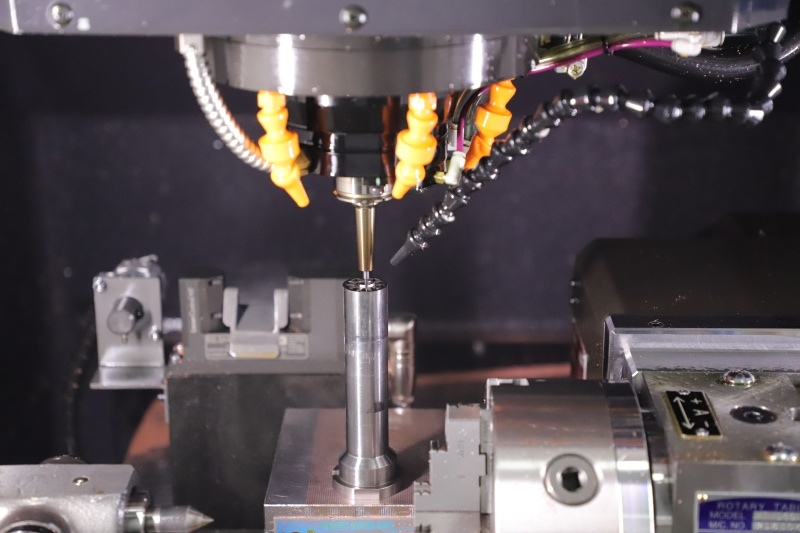
Laser jet welding machines have revolutionized the welding process in various industries, particularly in manufacturing where accuracy and speed are critical. One of the crucial components of these machines is the welding nozzle, which plays a significant role in determining the quality and efficacy of the welding operation. The primary function of laser jet welding machine nozzles is to direct th

The primary function of laser jet welding machine nozzles is to direct the laser beam and shield the welding area from contaminants. This is vital, as any impurities can affect the quality of the weld, leading to weak joints or defects in the finished product. An efficient nozzle design helps in optimizing the focus of the laser beam, ensuring that the heat is concentrated precisely where needed, which enhances the overall welding process.
When selecting laser jet welding machine nozzles, manufacturers should consider several factors. First, the material of the nozzle is crucial as it must withstand high temperatures and resist wear over time. Common materials used include copper and certain alloys that can endure the intense conditions of laser welding.
Another important aspect is the nozzle geometry. The shape and size of the nozzle can significantly influence the laser beam's focus and the shielding gas flow. A well-designed nozzle will not only improve the precision of the weld but also enhance the cooling process, which is essential in preventing warping or distortion of the materials being joined.
Moreover, the compatibility of the nozzle with different types of laser welding machines is vital. Manufacturers need to ensure that the nozzle they choose aligns with the specifications of their machinery, as this can impact performance and maintenance.
Regular maintenance and cleaning of the nozzles are also essential for optimal performance. Over time, nozzles can accumulate soot and debris, which can obstruct the laser beam and reduce efficiency. Implementing a routine maintenance schedule can help mitigate these issues and extend the life of the welding nozzles.
In conclusion, understanding the importance of laser jet welding machine nozzles is essential for manufacturers in the mold making and die casting sectors. By focusing on material selection, nozzle geometry, compatibility, and maintenance, companies can improve their welding processes, resulting in higher quality products and increased productivity. Investing time and resources into selecting the right nozzle can ultimately lead to significant enhancements in operational efficiency and product excellence.

SAF Coolest v1.3.1.2 设置面板 GAGSD-ZGYF-JVZFE-ASQ
无数据提示
Sorry, the current column is being updated, please look forward to it!
You can view other columns or returnHome Page