
-

About Us
Dongguan Mixiao New Material Technology Co., Ltd. was established in 2013 and is located in Changping Town, Dongguan City, the capital of manufacturing. It has strong independent development, design, and production capabilities, and produces products such as metal and non-metal product molds, automotive and motorcycle molds
-
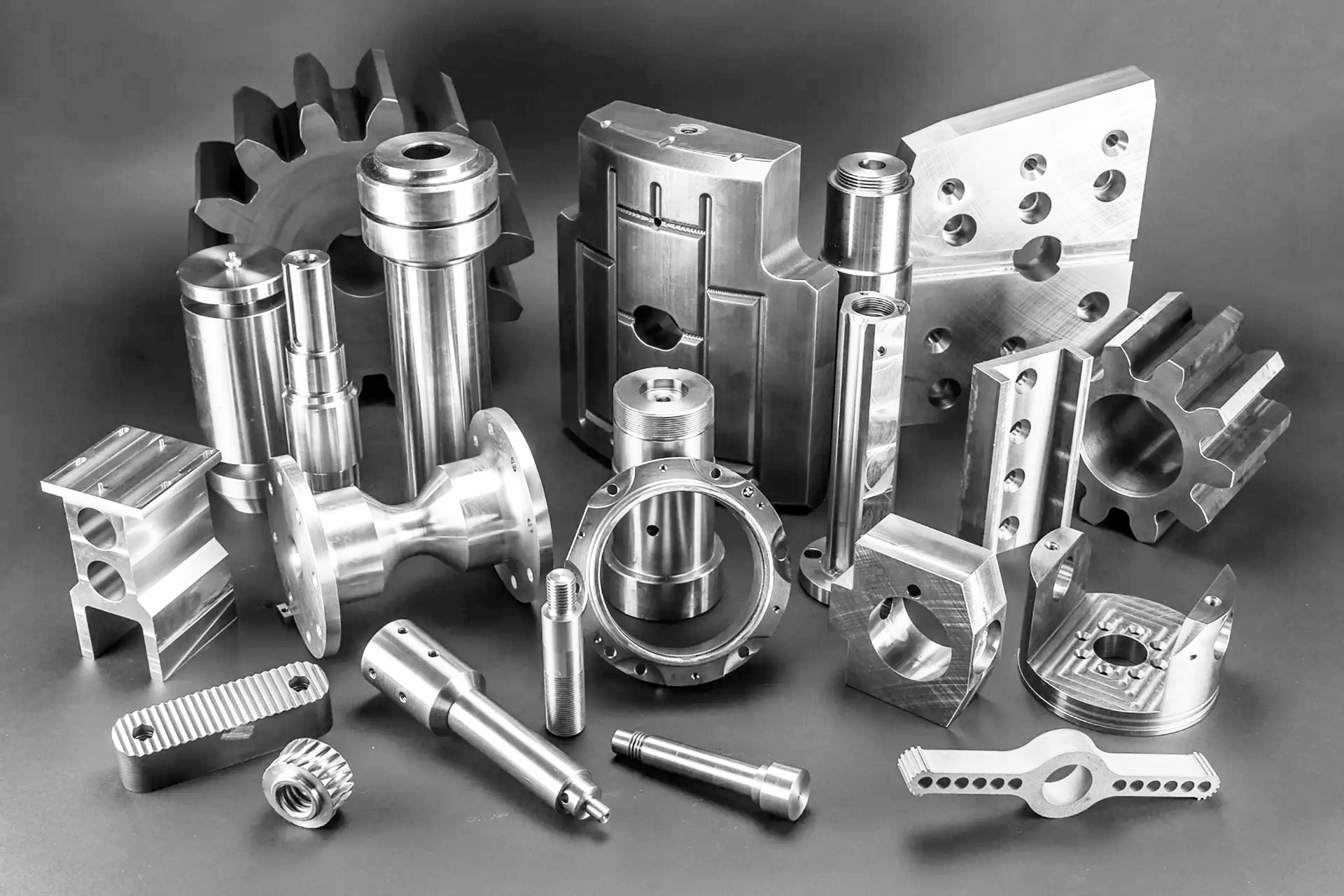
Products
Dongguan Mixiao New Material Technology Co., Ltd. was established in 2013 and is located in Changping Town, Dongguan City, the capital of manufacturing. It has strong independent development, design, and production capabilities, and produces products such as metal and non-metal product molds, automotive and motorcycle molds
-

Service
Dongguan Mixiao New Material Technology Co., Ltd. was established in 2013 and is located in Changping Town, Dongguan City, the capital of manufacturing. It has strong independent development, design, and production capabilities, and produces products such as metal and non-metal product molds, automotive and motorcycle molds
-

Blog
Dongguan Mixiao New Material Technology Co., Ltd. was established in 2013 and is located in Changping Town, Dongguan City, the capital of manufacturing. It has strong independent development, design, and production capabilities, and produces products such as metal and non-metal product molds, automotive and motorcycle molds
-

Contact us
Dongguan Mixiao New Material Technology Co., Ltd. was established in 2013 and is located in Changping Town, Dongguan City, the capital of manufacturing. It has strong independent development, design, and production capabilities, and produces products such as metal and non-metal product molds, automotive and motorcycle molds

Selecting the Best Glass Cutter Wheel: Key Factors for Precision Cutting
Release time:
Jul 01,2026
Introduction to Glass Cutter Wheels When it comes to glass cutting, the choice of the glass cutter wheel can significantly affect the quality and precision of your work. Whether you are a professional glass artist, a construction worker, or a hobbyist, understanding the various factors that influence your selection will ensure you achieve the best results. In this article, we will explore the esse

Introduction to Glass Cutter Wheels
When it comes to glass cutting, the choice of the glass cutter wheel can significantly affect the quality and precision of your work. Whether you are a professional glass artist, a construction worker, or a hobbyist, understanding the various factors that influence your selection will ensure you achieve the best results. In this article, we will explore the essential elements to consider when selecting the best glass cutter wheel, helping you make an informed decision for your next project.
Understanding Glass Cutter Wheels
Glass cutter wheels are the small, rotating tools that score the glass surface, allowing for clean breaks. Different wheels are designed for specific types of glass and cutting techniques, making it crucial to find one that matches your needs. The right wheel can enhance your cutting efficiency, reduce waste, and ensure safety during the cutting process.
Types of Glass Cutter Wheels
There are various types of glass cutter wheels, each designed to tackle specific tasks. Here are some of the most common types:
1. Tungsten Carbide Wheels
Tungsten carbide is a popular material for glass cutter wheels due to its hardness and durability. These wheels are excellent for cutting thick glass and can handle high-volume production without dulling quickly.
2. Diamond Wheels
Diamond wheels offer precision cutting and are ideal for intricate designs or delicate glasswork. They are more expensive but provide superior results, particularly for stained glass or artistic projects.
3. Steel Wheels
Steel wheels are suitable for general-purpose cutting. While they may not last as long as tungsten carbide or diamond options, they are cost-effective for occasional use.
4. Oil-Filled Cutter Wheels
Oil-filled wheels are designed to reduce friction during cutting, which can enhance the overall cutting experience. They are particularly useful for thicker glass materials.
Factors to Consider When Selecting a Glass Cutter Wheel
Selecting the best glass cutter wheel involves various considerations that can impact your cutting performance. Here are the key factors to keep in mind:
1. Material Type
The material of the glass cutter wheel plays a significant role in its performance. As mentioned earlier, tungsten carbide, diamond, and steel wheels each have their unique advantages. Think about the type of glass you will be cutting and choose a material that complements your project.
2. Wheel Size
The size of the cutter wheel affects the depth and width of the cut. Smaller wheels are ideal for precision work, while larger wheels can handle more extensive cuts. Ensure that the wheel size matches the thickness of the glass for optimal results.
3. Cutting Technique
Different cutting techniques require different wheels. For instance, if you are scoring glass with the intention of breaking it along a line, a diamond wheel will provide clean lines. Conversely, if you are cutting with a more aggressive technique, a tungsten carbide wheel may be preferable.
4. Compatibility with Glass Cutting Tools
Make sure that the wheel you select is compatible with your glass cutting tools. Some tools may have specific requirements regarding wheel size or attachment methods, so always check the manufacturer’s recommendations.
5. Cost vs. Quality
While it might be tempting to opt for the cheapest option, investing in a high-quality glass cutter wheel can yield better results in the long run. Consider your budget but weigh the benefits of quality wheels that might last longer and perform better.
6. User Experience and Reviews
Before making a purchase, look for user reviews and experiences with different glass cutter wheels. Insights from other users can provide valuable information about the performance and reliability of specific products.
7. Brand Reputation
Opting for reputable brands can offer you peace of mind. Established manufacturers often have a track record of producing reliable tools and accessories. Researching brands can help you avoid low-quality products.
8. Maintenance and Care Requirements
Different wheels require varying levels of maintenance. Some may need lubrication or special storage conditions to maintain their performance. Understanding these requirements can help you choose a wheel that fits your workflow.
How to Use a Glass Cutter Wheel Effectively
Choosing the right wheel is just the first step. Proper usage is vital for achieving clean, precise cuts. Here are some effective techniques for using a glass cutter wheel:
1. Preparing the Glass Surface
Before cutting, ensure your glass surface is clean and free from debris. Any dirt or dust can interfere with the cutting process.
2. Marking the Cut Line
Use a ruler and a marker to draw a straight line where you intend to cut. This will serve as a guide, ensuring accuracy in your cuts.
3. Scoring the Glass
Position the cutter wheel at a slight angle and apply even pressure as you score along the marked line. Aim for a single, consistent score without wobbling.
4. Breaking the Glass
After scoring, place the glass on a flat surface, aligning the score line with the edge of the table. Apply gentle pressure to snap the glass along the score.
5. Post-Cutting Care
After cutting, it’s essential to smooth out any sharp edges. Use a glass grinder or sandpaper to ensure safety during handling.
FAQ: Common Questions About Glass Cutter Wheels
1. What is the best material for a glass cutter wheel?
The best material depends on your specific needs. Tungsten carbide is great for durability, while diamond wheels excel in precision cutting.
2. How often should I replace my glass cutter wheel?
Replacement frequency depends on usage and material. Generally, you should replace it when you notice a decrease in cutting efficiency or a dull edge.
3. Can I use a glass cutter wheel on all types of glass?
Not all wheels are suitable for every glass type. Always check manufacturer guidelines to ensure compatibility with the glass you’re cutting.
4. What is the best technique for scoring glass?
Apply consistent pressure while scoring and ensure the cutter wheel moves smoothly along the marked line for best results.
5. How do I clean and maintain my glass cutter wheel?
After use, clean the wheel with a soft cloth and store it in a dry place. Some wheels may require lubrication—follow the manufacturer’s recommendations.
Conclusion
Selecting the best glass cutter wheel is a crucial step in achieving successful glass cutting. By understanding the various types of wheels, considering important factors like material, size, and technique, and following effective usage practices, you can enhance your glass-cutting experience. Whether you are a professional or a hobbyist, the right wheel will provide you with the precision and quality needed for your projects. Remember to stay informed and choose wisely to ensure the best outcomes in your glass cutting endeavors.

SAF Coolest v1.3.1.2 设置面板 GAGSD-ZGYF-JVZFE-ASQ
无数据提示
Sorry, the current column is being updated, please look forward to it!
You can view other columns or returnHome Page