
-

About Us
Dongguan Mixiao New Material Technology Co., Ltd. was established in 2013 and is located in Changping Town, Dongguan City, the capital of manufacturing. It has strong independent development, design, and production capabilities, and produces products such as metal and non-metal product molds, automotive and motorcycle molds
-
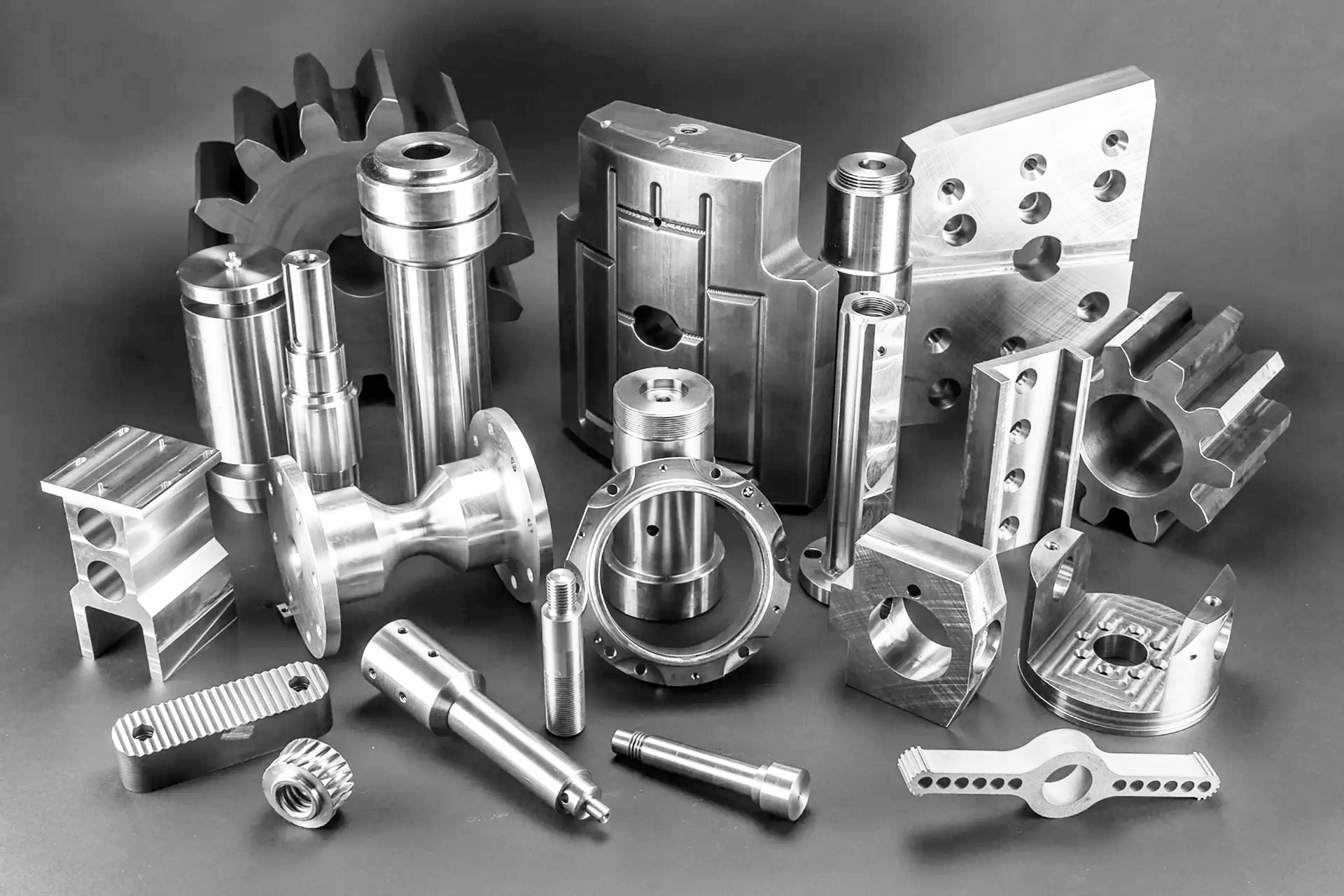
Products
Dongguan Mixiao New Material Technology Co., Ltd. was established in 2013 and is located in Changping Town, Dongguan City, the capital of manufacturing. It has strong independent development, design, and production capabilities, and produces products such as metal and non-metal product molds, automotive and motorcycle molds
-

Service
Dongguan Mixiao New Material Technology Co., Ltd. was established in 2013 and is located in Changping Town, Dongguan City, the capital of manufacturing. It has strong independent development, design, and production capabilities, and produces products such as metal and non-metal product molds, automotive and motorcycle molds
-

Blog
Dongguan Mixiao New Material Technology Co., Ltd. was established in 2013 and is located in Changping Town, Dongguan City, the capital of manufacturing. It has strong independent development, design, and production capabilities, and produces products such as metal and non-metal product molds, automotive and motorcycle molds
-

Contact us
Dongguan Mixiao New Material Technology Co., Ltd. was established in 2013 and is located in Changping Town, Dongguan City, the capital of manufacturing. It has strong independent development, design, and production capabilities, and produces products such as metal and non-metal product molds, automotive and motorcycle molds

The Versatile Role of Engraving Knives in Manufacturing and Tooling
Release time:
Jun 25,2026
Engraving knives are specialized tools that play a crucial role in various manufacturing processes, particularly in mold-making, die-casting, and forging. These tools are designed for precision cutting and engraving, allowing professionals to create intricate designs and specifications on various materials. Understanding the properties and applications of engraving knives can enhance productivity

In the context of manufacturing and tooling, engraving knives are used to produce detailed patterns, logos, or specifications on molds and dies. The precision that these knives offer is essential for ensuring that the final products meet exacting standards. For example, in the process of die-casting, where molten metal is poured into molds, the engravings can determine the surface finish and functionality of the casted parts. This is particularly important in industries where aesthetics and performance are critical, such as automotive and consumer electronics.
When selecting an engraving knife, several factors should be considered, including the material of the knife, the type of engraving required, and the compatibility with the materials being processed. Engraving knives are typically made from high-speed steel or carbide, providing durability and longevity. Their sharp blades can carve through metals, plastics, and even wood, making them versatile tools for various applications.
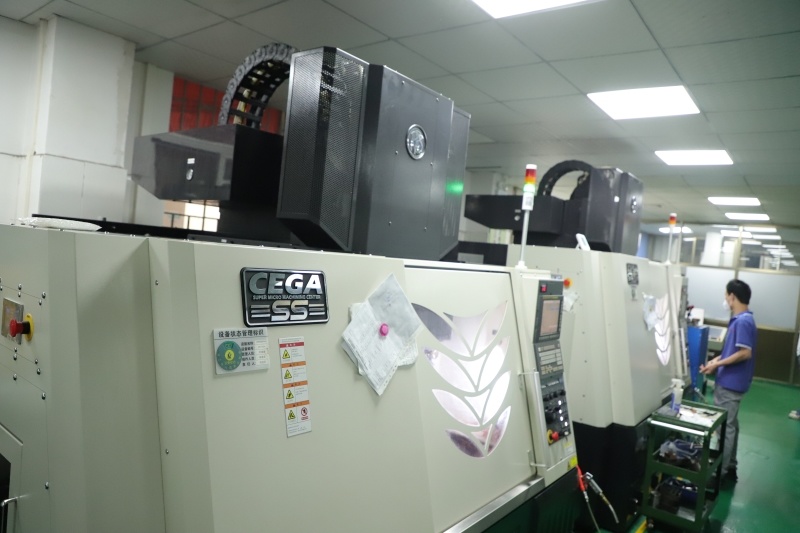
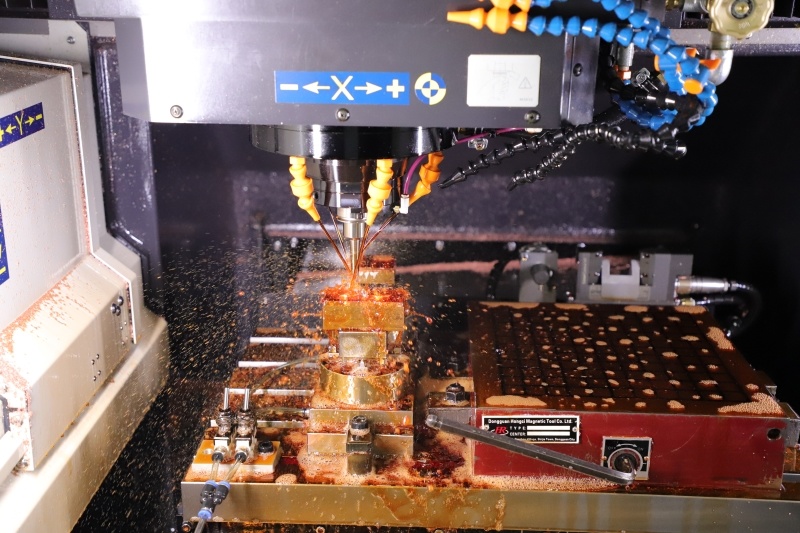
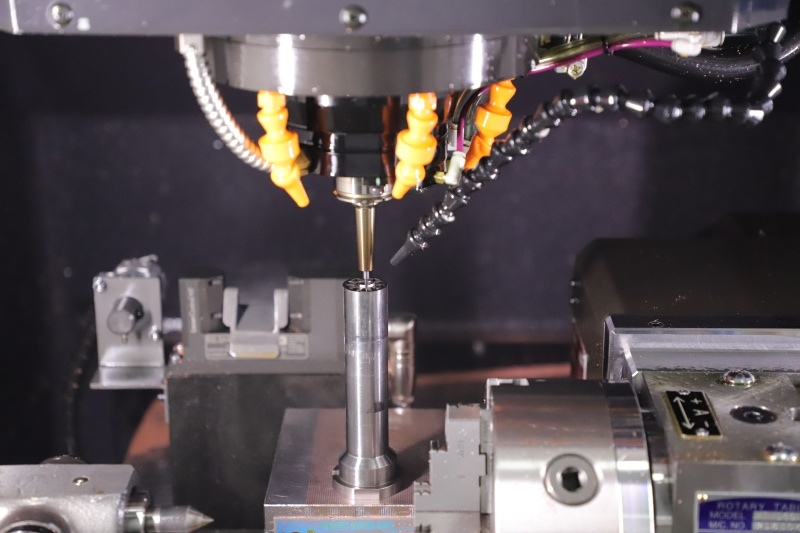
Moreover, engraving knives can be used in both manual and CNC (Computer Numerical Control) systems. CNC engraving machines allow for automated, high-speed engraving, which can significantly increase productivity and reduce errors in high-volume production scenarios. These machines utilize engraving knives that are specifically designed for use in CNC applications, ensuring consistent quality and precision.
In the field of mold-making, engraving knives are indispensable for creating intricate designs that are often required for modern manufacturing. The ability to engrave fine details not only enhances the aesthetic quality of molds but also improves the functionality of the final product. This is particularly relevant in sectors such as plastics manufacturing, where the quality of the mold directly impacts the quality of the finished goods.
In conclusion, engraving knives are vital tools in the manufacturing and tooling industries, particularly for mold-making, die-casting, and forging processes. Their ability to deliver precision and detail makes them indispensable for producing high-quality components. As technology advances, the integration of engraving knives with CNC systems will continue to revolutionize how molds and dies are created, further emphasizing their importance in modern manufacturing. Understanding the capabilities and applications of engraving knives can help professionals make informed decisions to enhance their production processes and product quality.

SAF Coolest v1.3.1.2 设置面板 GAGSD-ZGYF-JVZFE-ASQ
无数据提示
Sorry, the current column is being updated, please look forward to it!
You can view other columns or returnHome Page