
-

About Us
Dongguan Mixiao New Material Technology Co., Ltd. was established in 2013 and is located in Changping Town, Dongguan City, the capital of manufacturing. It has strong independent development, design, and production capabilities, and produces products such as metal and non-metal product molds, automotive and motorcycle molds
-
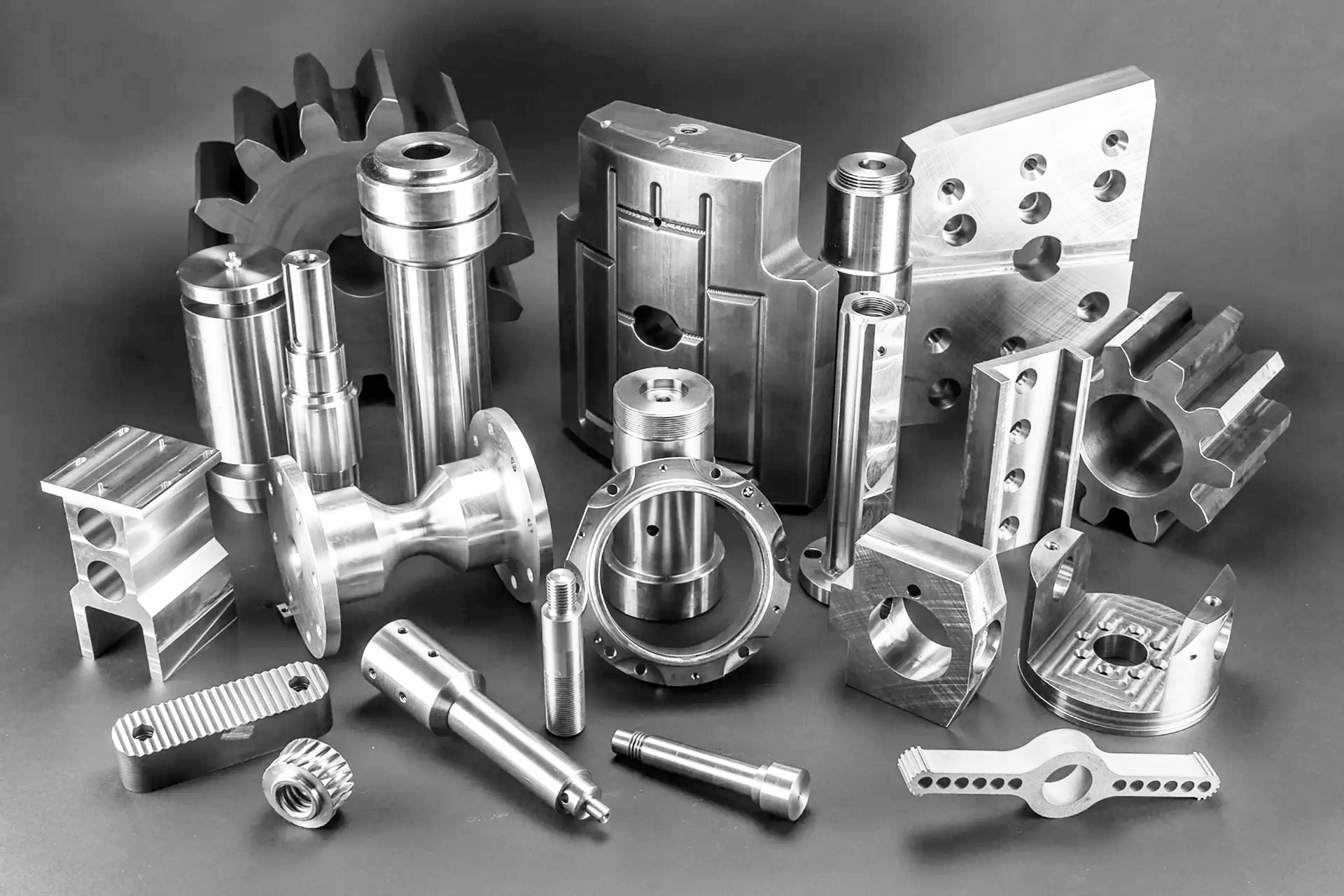
Products
Dongguan Mixiao New Material Technology Co., Ltd. was established in 2013 and is located in Changping Town, Dongguan City, the capital of manufacturing. It has strong independent development, design, and production capabilities, and produces products such as metal and non-metal product molds, automotive and motorcycle molds
-

Service
Dongguan Mixiao New Material Technology Co., Ltd. was established in 2013 and is located in Changping Town, Dongguan City, the capital of manufacturing. It has strong independent development, design, and production capabilities, and produces products such as metal and non-metal product molds, automotive and motorcycle molds
-

Blog
Dongguan Mixiao New Material Technology Co., Ltd. was established in 2013 and is located in Changping Town, Dongguan City, the capital of manufacturing. It has strong independent development, design, and production capabilities, and produces products such as metal and non-metal product molds, automotive and motorcycle molds
-

Contact us
Dongguan Mixiao New Material Technology Co., Ltd. was established in 2013 and is located in Changping Town, Dongguan City, the capital of manufacturing. It has strong independent development, design, and production capabilities, and produces products such as metal and non-metal product molds, automotive and motorcycle molds

From Design to Production: The Comprehensive Journey of Hard Alloy Sawtooth
Release time:
Jun 23,2026
From Design to Production: The Comprehensive Journey of Hard Alloy Sawtooth Table of Contents Introduction to Hard Alloy Sawtooth Understanding Hard Alloy: Materials and Properties The Design Process of Hard Alloy Sawtooth Prototyping and Testing: Ensuring Quality and Precision The Manufacturing Process: Techniques and Technologies Finishing and Treatment: Enhancing Perfor

From Design to Production: The Comprehensive Journey of Hard Alloy Sawtooth
Table of Contents
- Introduction to Hard Alloy Sawtooth
- Understanding Hard Alloy: Materials and Properties
- The Design Process of Hard Alloy Sawtooth
- Prototyping and Testing: Ensuring Quality and Precision
- The Manufacturing Process: Techniques and Technologies
- Finishing and Treatment: Enhancing Performance and Durability
- Quality Control Measures in Hard Alloy Sawtooth Production
- Future Trends in Hard Alloy Sawtooth Design and Manufacturing
- Conclusion
- Frequently Asked Questions
Introduction to Hard Alloy Sawtooth
Hard alloy sawtooth tools are pivotal in various manufacturing and machining applications. Their design and production require meticulous attention to detail, precision engineering, and the use of high-performance materials. This article chronicles the journey of hard alloy sawtooth from the initial design concept through to the final production, shedding light on the complexities involved at each stage.
Understanding Hard Alloy: Materials and Properties
Hard alloy, commonly known as carbide, is a composite material composed of ceramic and metallic materials that exhibits superior hardness and durability. These properties make hard alloy an ideal choice for sawtooth production, where precision and longevity are paramount.
Key Properties of Hard Alloy
- **High Hardness**: Hard alloys can withstand significant wear and tear.
- **Heat Resistance**: They maintain their structural integrity under high temperatures.
- **Corrosion Resistance**: Hard alloys resist oxidation and degradation over time.
- **Toughness**: They offer a balance between hardness and toughness, preventing brittleness.
The Design Process of Hard Alloy Sawtooth
The design phase is critical in ensuring that the final product meets performance specifications. Engineers utilize sophisticated CAD (Computer-Aided Design) software to create detailed drawings and models of the sawtooth.
Steps in the Design Process
- **Research & Development**: Understanding market needs and technical requirements.
- **Conceptual Design**: Creating initial sketches and design concepts.
- **Detailed Design**: Developing comprehensive models that include dimensions, tolerances, and material specifications.
- **Simulation**: Utilizing simulation software to predict performance and identify potential issues.
Prototyping and Testing: Ensuring Quality and Precision
Once the design is finalized, the next step involves creating prototypes to validate the design. Prototyping serves as a critical phase to test the functionality and performance of the sawtooth before mass production.
Importance of Prototyping
Prototypes allow for real-world testing under controlled conditions, enabling engineers to make necessary adjustments to the design. This step helps in identifying potential flaws and enhances the overall design accuracy.
The Manufacturing Process: Techniques and Technologies
With a validated prototype, manufacturers proceed to the production stage. The manufacturing of hard alloy sawtooth involves several techniques, each chosen based on the desired specifications and volume of production.
Key Manufacturing Techniques
- **Powder Metallurgy**: This method presses and sinters hard alloy powders to form compact and durable sawtooth shapes.
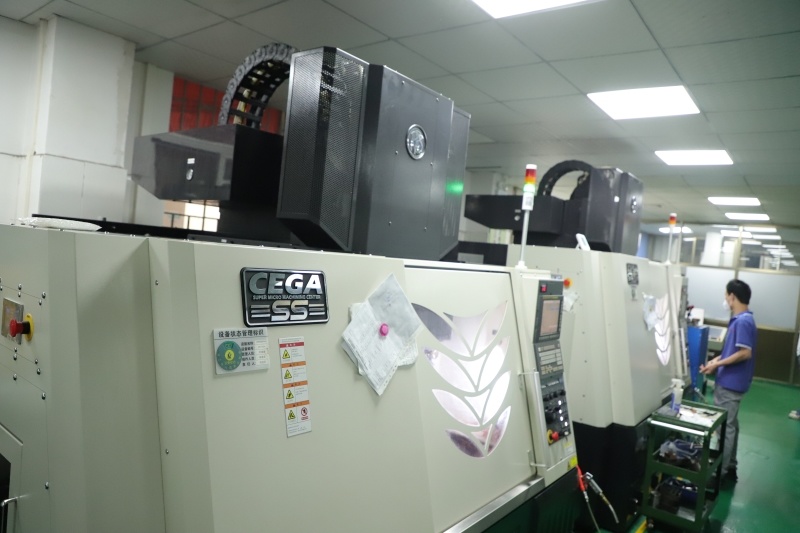
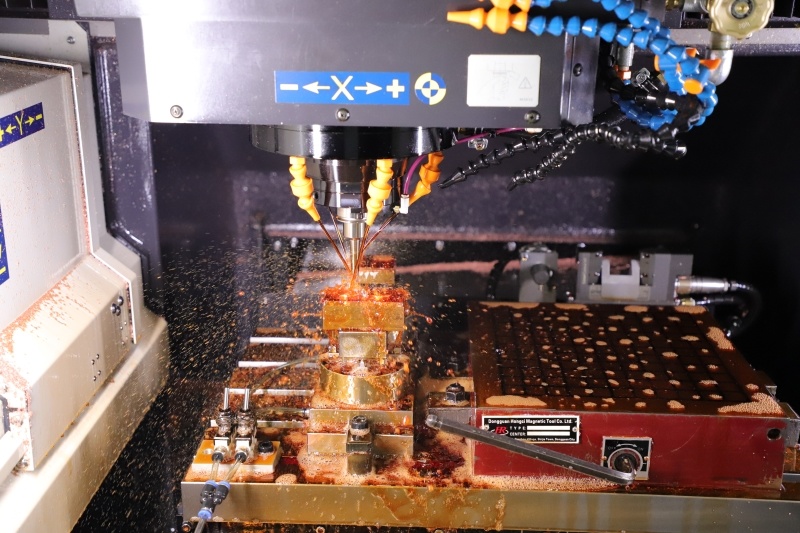
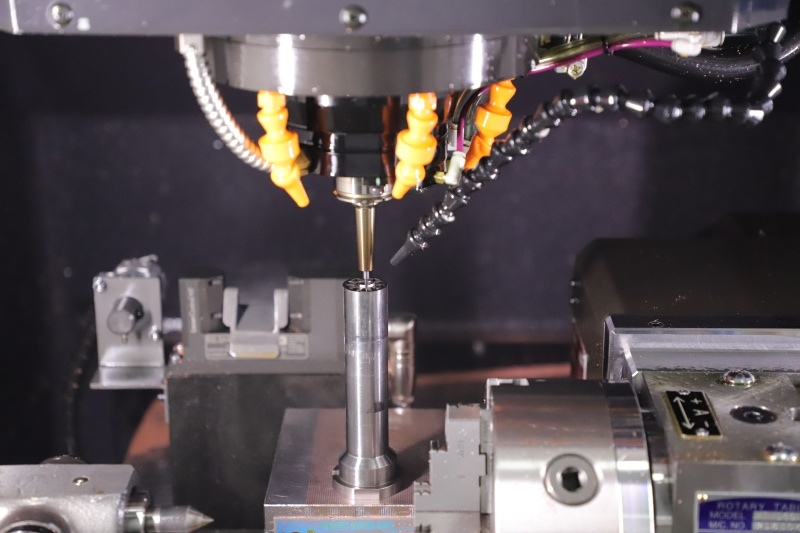
- **CNC Machining**: Computer Numerical Control (CNC) machining allows for high precision in cutting and shaping hard alloys.
- **Injection Molding**: Useful for producing complex shapes in high volumes, injection molding ensures uniformity and efficiency.
Finishing and Treatment: Enhancing Performance and Durability
After the primary manufacturing process, additional finishing treatments are applied to enhance the properties of hard alloy sawtooth.
Common Finishing Processes
- **Grinding**: Achieves the desired surface finish and sharpness.
- **Coating**: Application of protective coatings to improve corrosion and wear resistance.
- **Heat Treatment**: Processes like tempering and hardening increase the hardness and toughness of the sawtooth.
Quality Control Measures in Hard Alloy Sawtooth Production
Quality control is integral to the production of hard alloy sawtooth. Manufacturers implement rigorous testing protocols to ensure that every piece meets exacting standards.
Quality Control Techniques
- **Dimensional Inspection**: Verifying dimensions against design specifications.
- **Material Testing**: Assessing the hardness, toughness, and chemical composition of materials.
- **Performance Testing**: Evaluating the sawtooth's performance in real-world applications.
Future Trends in Hard Alloy Sawtooth Design and Manufacturing
The industry is continually evolving, with advancements in technology leading to new trends in the design and manufacturing of hard alloy sawtooth.
Emerging Trends
- **Additive Manufacturing**: The rise of 3D printing technology is revolutionizing the production of complex sawtooth geometries.
- **Smart Materials**: Integration of smart materials that respond to environmental changes enhances performance.
- **Sustainable Practices**: Increasing emphasis on environmentally friendly practices in production processes.
Conclusion
The journey of hard alloy sawtooth from design to production is a complex process that requires skilled craftsmanship, advanced technology, and stringent quality control measures. As the industry evolves, staying abreast of the latest trends and technologies is essential for manufacturers to remain competitive. By understanding the intricacies of each production stage, businesses can enhance their offerings, ensuring they meet the growing demands of the market.
Frequently Asked Questions
1. What are hard alloy sawtooth tools primarily used for?
Hard alloy sawtooth tools are primarily used in cutting, machining, and manufacturing applications, where precision and durability are essential.
2. How does the manufacturing process of hard alloy sawtooth differ from traditional saw blades?
The manufacturing process for hard alloy sawtooth involves specialized techniques like powder metallurgy and CNC machining, whereas traditional saw blades may use simpler materials and processes.
3. What advantages do hard alloy sawtooth have over standard steel blades?
Hard alloy sawtooth offer superior hardness, longer lifespan, and better performance in high-stress applications compared to standard steel blades.
4. Are there any specific maintenance requirements for hard alloy sawtooth?
Yes, regular maintenance, including proper cleaning and periodic sharpening, is essential to ensure the longevity and performance of hard alloy sawtooth tools.
5. What future technologies may impact hard alloy sawtooth production?
Technologies such as additive manufacturing and the use of smart materials are expected to significantly impact the design and production processes of hard alloy sawtooth in the future.

SAF Coolest v1.3.1.2 设置面板 GAGSD-ZGYF-JVZFE-ASQ
无数据提示
Sorry, the current column is being updated, please look forward to it!
You can view other columns or returnHome Page