
-

About Us
Dongguan Mixiao New Material Technology Co., Ltd. was established in 2013 and is located in Changping Town, Dongguan City, the capital of manufacturing. It has strong independent development, design, and production capabilities, and produces products such as metal and non-metal product molds, automotive and motorcycle molds
-
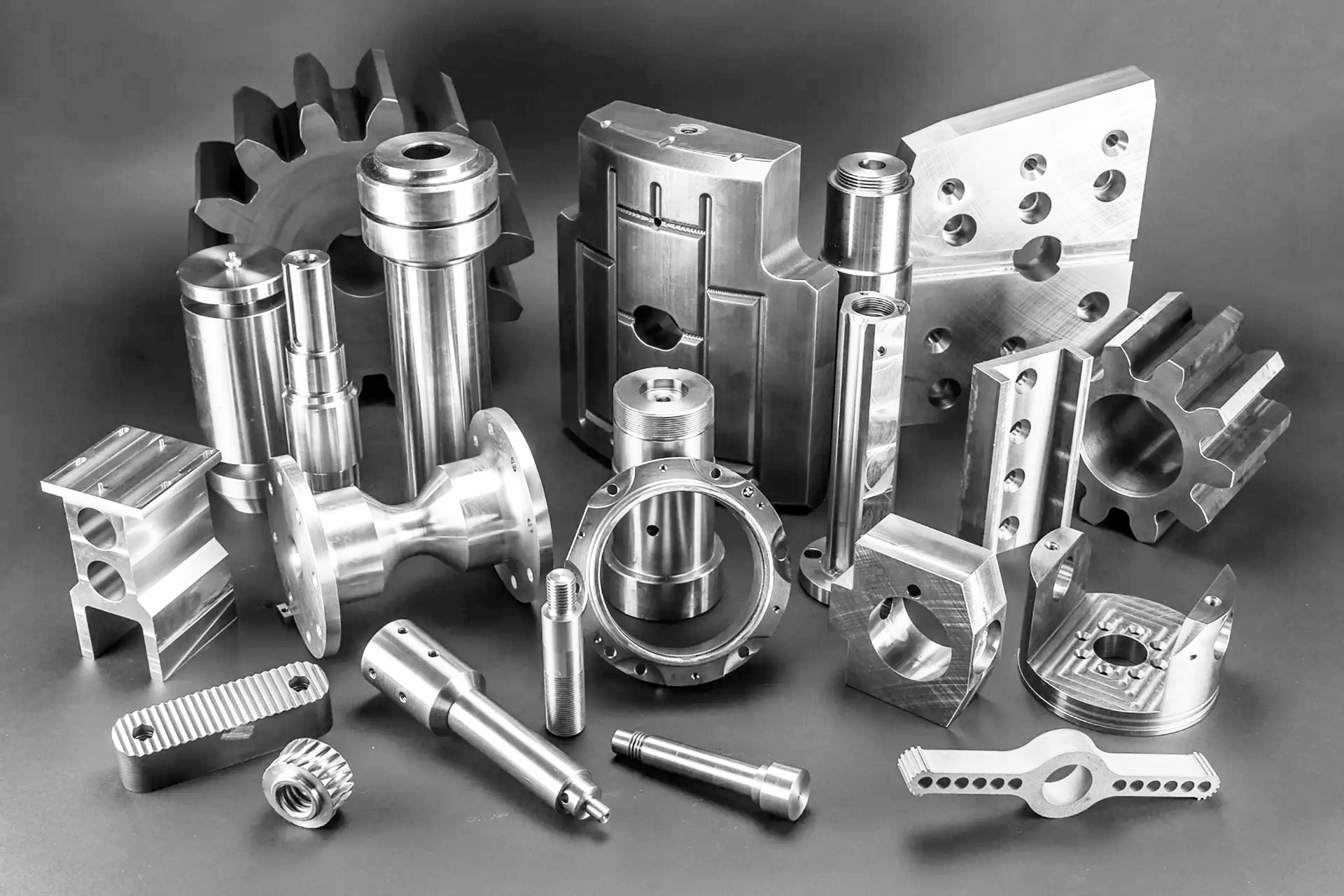
Products
Dongguan Mixiao New Material Technology Co., Ltd. was established in 2013 and is located in Changping Town, Dongguan City, the capital of manufacturing. It has strong independent development, design, and production capabilities, and produces products such as metal and non-metal product molds, automotive and motorcycle molds
-

Service
Dongguan Mixiao New Material Technology Co., Ltd. was established in 2013 and is located in Changping Town, Dongguan City, the capital of manufacturing. It has strong independent development, design, and production capabilities, and produces products such as metal and non-metal product molds, automotive and motorcycle molds
-

Blog
Dongguan Mixiao New Material Technology Co., Ltd. was established in 2013 and is located in Changping Town, Dongguan City, the capital of manufacturing. It has strong independent development, design, and production capabilities, and produces products such as metal and non-metal product molds, automotive and motorcycle molds
-

Contact us
Dongguan Mixiao New Material Technology Co., Ltd. was established in 2013 and is located in Changping Town, Dongguan City, the capital of manufacturing. It has strong independent development, design, and production capabilities, and produces products such as metal and non-metal product molds, automotive and motorcycle molds

Understanding Diamond Segments: Essential Components in Tool Manufacturing
Release time:
Jun 17,2026
Diamond segments are cutting-edge tools designed for high-performance applications in the manufacturing industry, particularly in the realms of mold-making, die-casting, and forging. These segments, typically composed of a bond material combined with industrial diamonds, are engineered to provide superior cutting abilities and durability compared to traditional materials. One of the primary advan

One of the primary advantages of diamond segments is their ability to cut through hard materials with ease. This capability makes them especially valuable in the production of molds and dies, where precision is paramount. When integrated into cutting tools, diamond segments can significantly reduce wear and tear, extending the lifespan of the tools and ensuring consistent performance throughout their use.
In the context of die-casting and forging, diamond segments can enhance the efficiency of the machining process. Their unique structure allows for faster cutting speeds and smoother finishes, resulting in higher quality products. The diamonds in these segments provide exceptional hardness, which is critical when working with materials that are tough to machine, such as hardened steels or exotic alloys often used in advanced manufacturing.
Furthermore, diamond segments contribute to the cost-effectiveness of manufacturing processes. Although they may require a higher initial investment compared to conventional cutting tools, their longevity and performance can lead to significant savings over time. Reduced downtime and fewer tool replacements mean that manufacturers can achieve greater output with less resource expenditure.
When considering diamond segments for your manufacturing operations, it is essential to evaluate the specific requirements of your projects. Different applications may demand different types of diamond segments, each tailored to perform optimally under varying conditions. Factors such as the material being cut, the desired finish, and the type of machining process employed can all influence the selection of the appropriate diamond segment.
In conclusion, understanding the role of diamond segments in manufacturing can provide significant advantages for businesses in the machining industry. Their exceptional cutting capabilities, durability, and efficiency make them an invaluable asset for anyone involved in mold-making, die-casting, or forging processes. By integrating diamond segments into your workflow, you can enhance productivity, reduce costs, and ultimately deliver higher quality products to your customers. Whether you are a seasoned manufacturer or just starting, exploring the potential of diamond segments could be a game-changer for your operations.

SAF Coolest v1.3.1.2 设置面板 GAGSD-ZGYF-JVZFE-ASQ
无数据提示
Sorry, the current column is being updated, please look forward to it!
You can view other columns or returnHome Page