
-

About Us
Dongguan Mixiao New Material Technology Co., Ltd. was established in 2013 and is located in Changping Town, Dongguan City, the capital of manufacturing. It has strong independent development, design, and production capabilities, and produces products such as metal and non-metal product molds, automotive and motorcycle molds
-
Products
Dongguan Mixiao New Material Technology Co., Ltd. was established in 2013 and is located in Changping Town, Dongguan City, the capital of manufacturing. It has strong independent development, design, and production capabilities, and produces products such as metal and non-metal product molds, automotive and motorcycle molds
-

Service
Dongguan Mixiao New Material Technology Co., Ltd. was established in 2013 and is located in Changping Town, Dongguan City, the capital of manufacturing. It has strong independent development, design, and production capabilities, and produces products such as metal and non-metal product molds, automotive and motorcycle molds
-

Blog
Dongguan Mixiao New Material Technology Co., Ltd. was established in 2013 and is located in Changping Town, Dongguan City, the capital of manufacturing. It has strong independent development, design, and production capabilities, and produces products such as metal and non-metal product molds, automotive and motorcycle molds
-

Contact us
Dongguan Mixiao New Material Technology Co., Ltd. was established in 2013 and is located in Changping Town, Dongguan City, the capital of manufacturing. It has strong independent development, design, and production capabilities, and produces products such as metal and non-metal product molds, automotive and motorcycle molds

Understanding the Role of Rotating Shafts in Beauty Devices
Release time:
Jun 12,2026
--- In the ever-evolving beauty industry, the engineering behind beauty devices plays a crucial role in their effectiveness and reliability. Among the many components that contribute to the functionality of these devices, the rotating shaft is of particular importance. A rotating shaft serves as a key mechanical element that facilitates movement and power transfer within various beauty tools such

In the ever-evolving beauty industry, the engineering behind beauty devices plays a crucial role in their effectiveness and reliability. Among the many components that contribute to the functionality of these devices, the rotating shaft is of particular importance. A rotating shaft serves as a key mechanical element that facilitates movement and power transfer within various beauty tools such as hair dryers, electric brushes, and facial cleansing devices.
The primary function of a rotating shaft is to convert rotational motion from the motor into the specific movements required for the device to perform its intended tasks. For instance, in a facial cleansing brush, the rotating shaft enables the brush head to oscillate or spin, providing an effective cleanse that enhances the user’s skincare routine. Similarly, in hair styling tools, the rotating shaft allows for the creation of curls or waves by manipulating the hair through heat and motion.
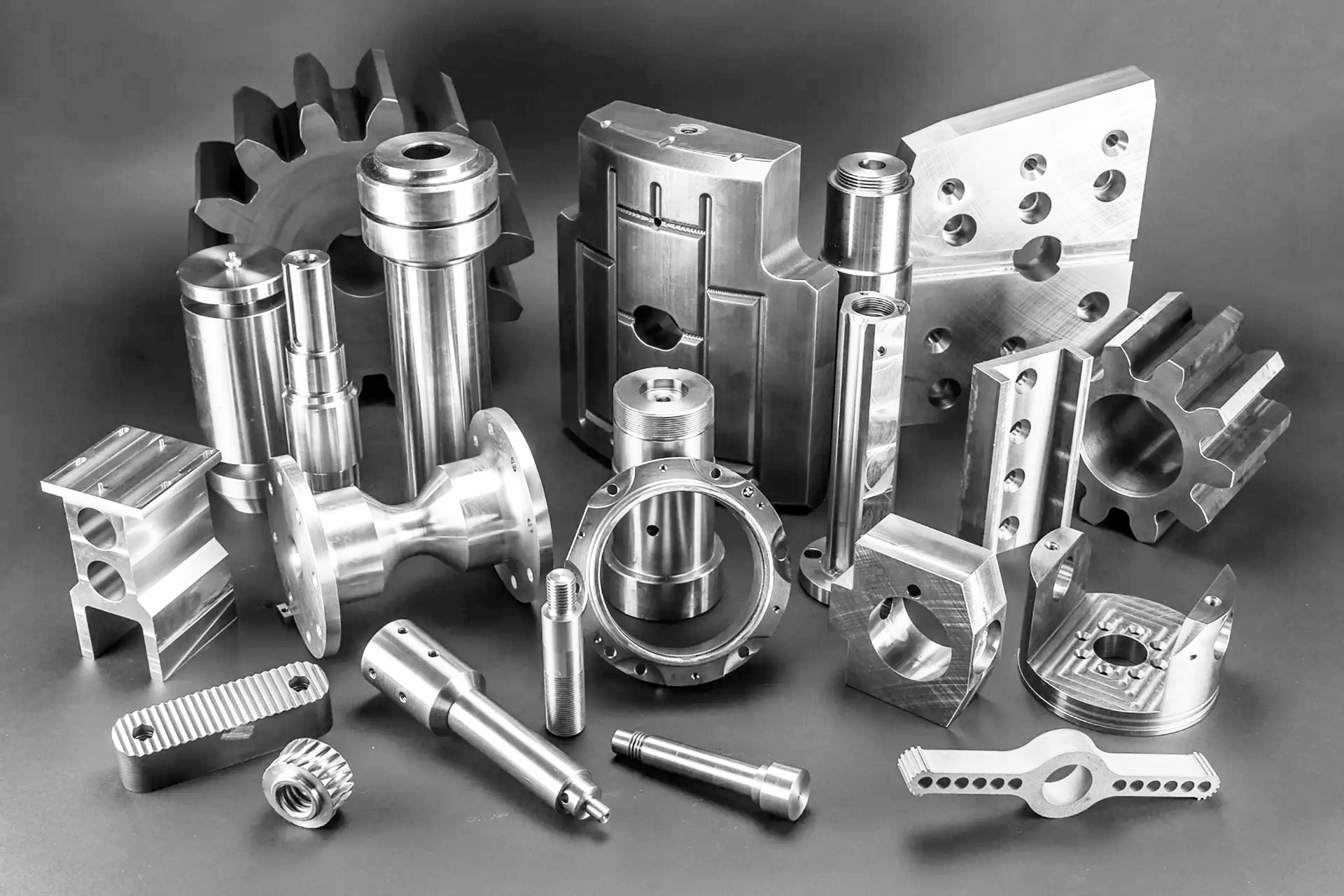
When it comes to the manufacturing of rotating shafts for beauty devices, precision is paramount. The shafts must be designed and manufactured to exact specifications to ensure they can withstand the mechanical stresses encountered during operation. Factors such as material selection, surface finish, and dimensional tolerances are critical to achieving the desired performance and longevity of the device. For example, using high-strength alloys can increase the durability of the rotating shaft, while a smooth surface finish reduces friction, leading to improved efficiency and reduced wear over time.
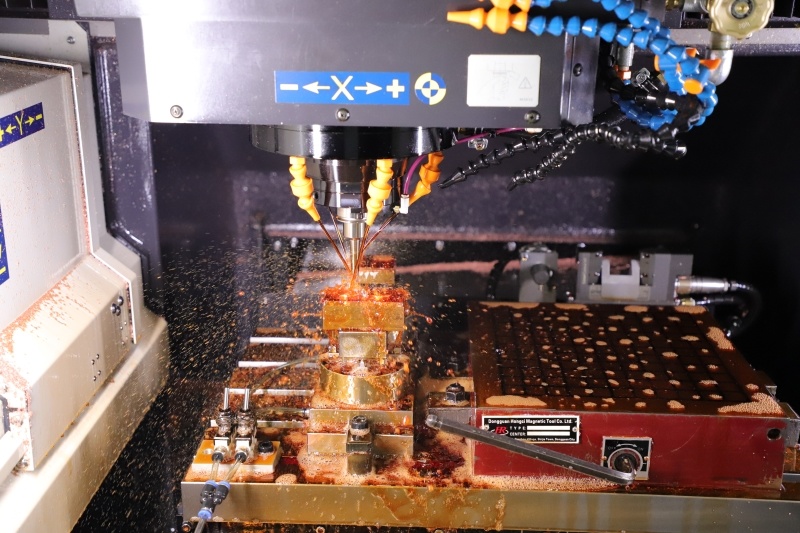
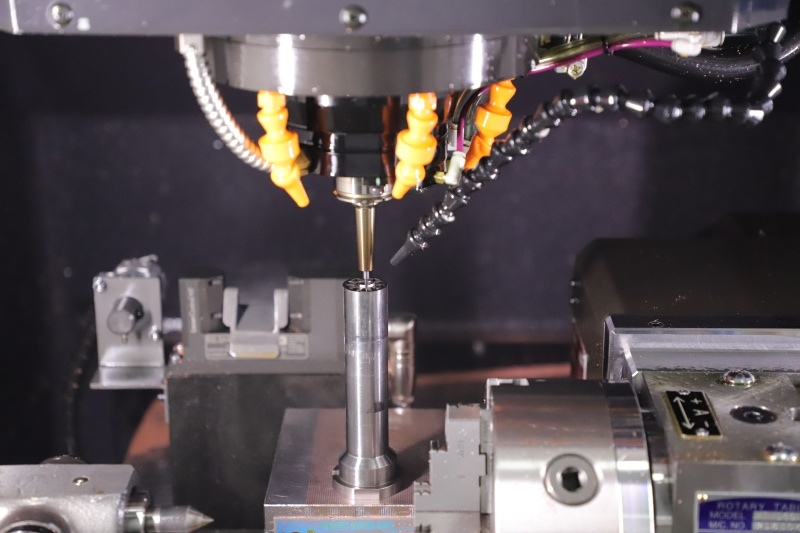
Additionally, balancing the rotating shaft is essential to minimize vibrations during operation. Unbalanced shafts can lead to noise and potential damage to the device, affecting not only performance but also user experience. Therefore, manufacturers often employ advanced techniques such as computer-aided design (CAD) and computer numerical control (CNC) machining to ensure that the shafts are produced with the highest level of accuracy.
In conclusion, the rotating shaft is an integral component in the design and function of beauty devices. Its role in facilitating motion and ensuring device efficiency cannot be overstated. Manufacturers in the sector must prioritize precision and quality in the production of these shafts to meet the demands of both the industry and consumers. By understanding the mechanics behind rotating shafts, stakeholders can better appreciate their importance in the beauty device market and the impact they have on product performance.

SAF Coolest v1.3.1.2 设置面板 GAGSD-ZGYF-JVZFE-ASQ
无数据提示
Sorry, the current column is being updated, please look forward to it!
You can view other columns or returnHome Page