
-
About Us
Dongguan Mixiao New Material Technology Co., Ltd. was established in 2013 and is located in Changping Town, Dongguan City, the capital of manufacturing. It has strong independent development, design, and production capabilities, and produces products such as metal and non-metal product molds, automotive and motorcycle molds
-
Products
Dongguan Mixiao New Material Technology Co., Ltd. was established in 2013 and is located in Changping Town, Dongguan City, the capital of manufacturing. It has strong independent development, design, and production capabilities, and produces products such as metal and non-metal product molds, automotive and motorcycle molds
-

Service
Dongguan Mixiao New Material Technology Co., Ltd. was established in 2013 and is located in Changping Town, Dongguan City, the capital of manufacturing. It has strong independent development, design, and production capabilities, and produces products such as metal and non-metal product molds, automotive and motorcycle molds
-

Blog
Dongguan Mixiao New Material Technology Co., Ltd. was established in 2013 and is located in Changping Town, Dongguan City, the capital of manufacturing. It has strong independent development, design, and production capabilities, and produces products such as metal and non-metal product molds, automotive and motorcycle molds
-

Contact us
Dongguan Mixiao New Material Technology Co., Ltd. was established in 2013 and is located in Changping Town, Dongguan City, the capital of manufacturing. It has strong independent development, design, and production capabilities, and produces products such as metal and non-metal product molds, automotive and motorcycle molds

The Essential Guide to Engraving Knives in Manufacturing Processes
Release time:
Jun 08,2026
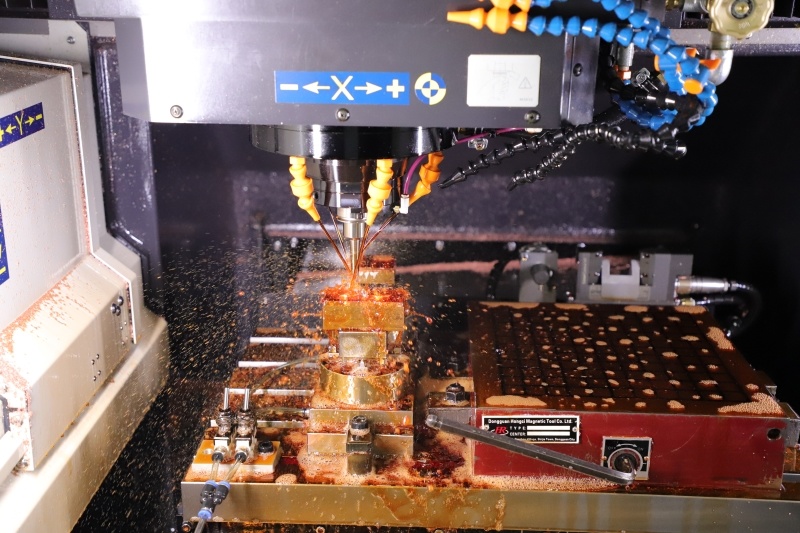
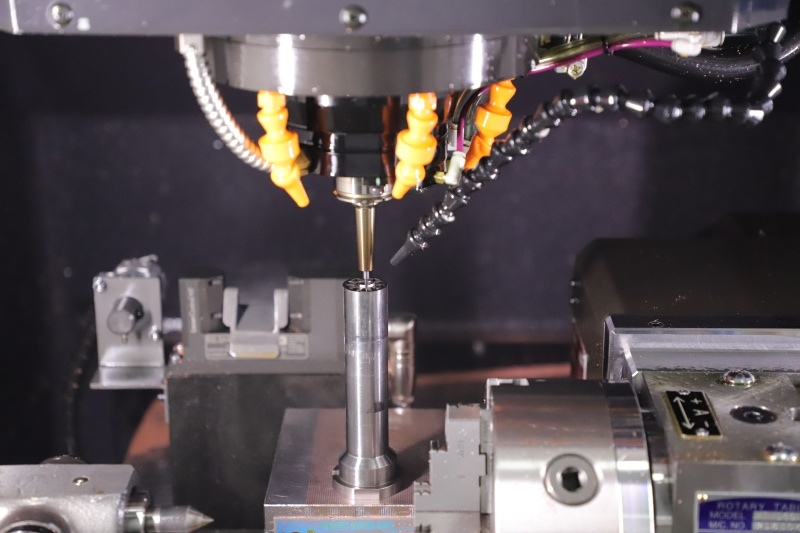
In the world of manufacturing and machining, the engraving knife is an essential tool that plays a crucial role in creating intricate designs and specifications on various materials. These specialized knives are designed to provide precision and control, making them ideal for applications in mold-making, die-casting, and forging. Engraving knives come in various shapes and sizes, each tailored for

Engraving knives come in various shapes and sizes, each tailored for specific tasks. Typically, they feature sharp, fine blades that allow for detailed cutting and engraving. The quality of the engraving knife can significantly affect the outcome of the project, ensuring that designs are etched accurately and cleanly onto surfaces. This precision is vital in industries where detail can affect not only aesthetics but also functionality, such as in the creation of molds for casting.
One of the primary advantages of using engraving knives in the manufacturing process is the ability to produce fine details that are often required in complex mold designs. When manufacturing molds and dies, the ability to engrave intricate patterns can enhance both the functionality and the aesthetic appeal of the final products. Engraving knives allow for the creation of features such as texturing or logos that may be essential for branding or product identification.
Moreover, engraving knives can be employed in various materials, including metals, plastics, and composites, making them versatile tools in the toolbox of a manufacturer. The choice of blade material, geometry, and the type of engraving knife can depend on the specific requirements of the project, as different materials may require different approaches. For instance, when working with harder metals, a more robust engraving knife may be necessary to achieve the desired results without damaging the blade.
Additionally, the technique used when employing engraving knives is fundamental. Mastering the control of speed and pressure can lead to better results while avoiding mistakes that could lead to costly rework. Training and experience are crucial for operators to fully utilize the capabilities of engraving knives, thereby enhancing productivity and reducing waste.
In conclusion, engraving knives are indispensable in the manufacturing industry, especially in processes like mold-making and die-casting. Their ability to create detailed designs with precision makes them a vital tool for achieving high-quality results. Understanding the different types and applications of engraving knives can empower manufacturers to enhance their processes and produce superior products. As the industry continues to advance, the role of engraving knives will likely evolve, further solidifying their importance in modern manufacturing.

SAF Coolest v1.3.1.2 设置面板 GAGSD-ZGYF-JVZFE-ASQ
无数据提示
Sorry, the current column is being updated, please look forward to it!
You can view other columns or returnHome Page