
-

About Us
Dongguan Mixiao New Material Technology Co., Ltd. was established in 2013 and is located in Changping Town, Dongguan City, the capital of manufacturing. It has strong independent development, design, and production capabilities, and produces products such as metal and non-metal product molds, automotive and motorcycle molds
-
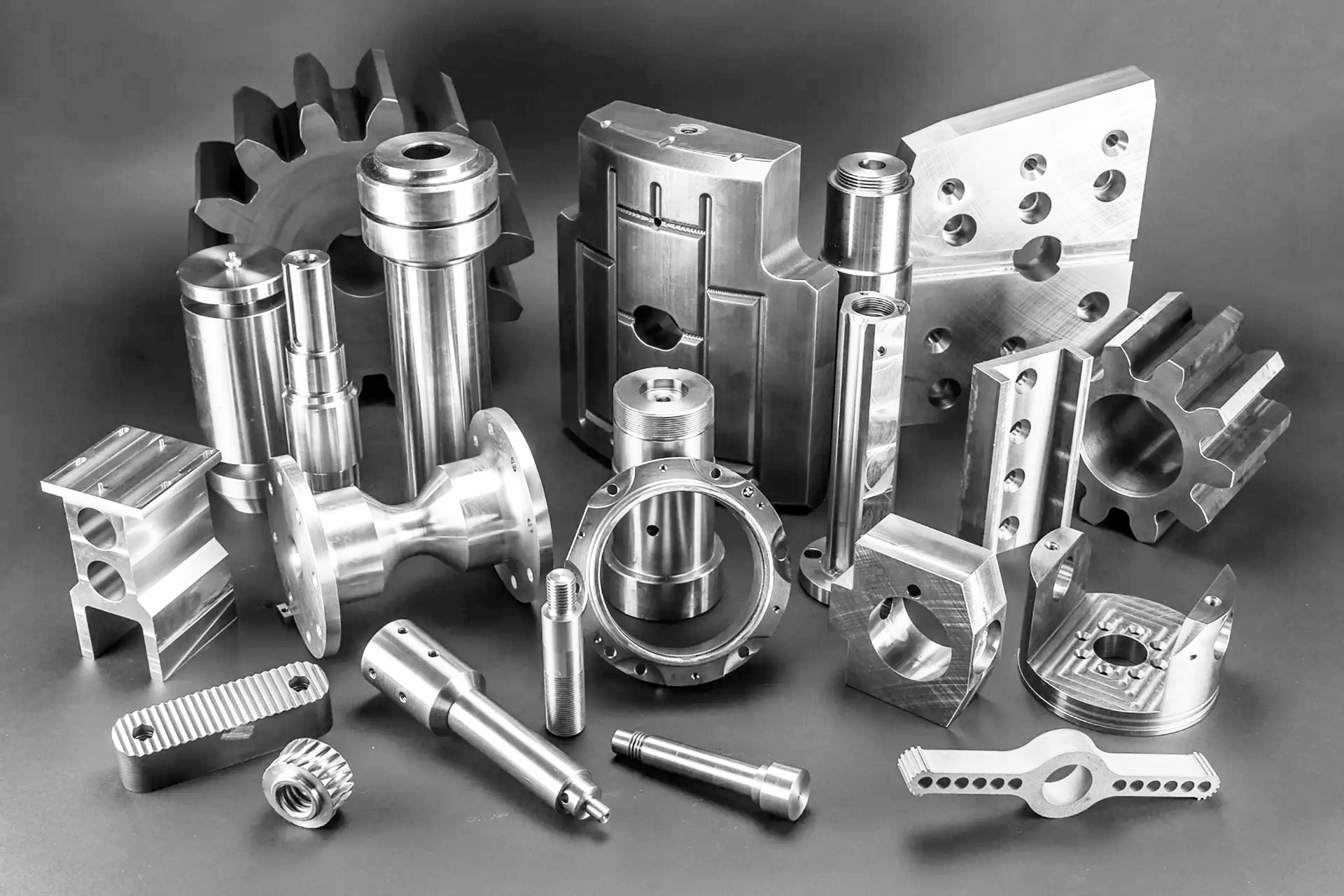
Products
Dongguan Mixiao New Material Technology Co., Ltd. was established in 2013 and is located in Changping Town, Dongguan City, the capital of manufacturing. It has strong independent development, design, and production capabilities, and produces products such as metal and non-metal product molds, automotive and motorcycle molds
-

Service
Dongguan Mixiao New Material Technology Co., Ltd. was established in 2013 and is located in Changping Town, Dongguan City, the capital of manufacturing. It has strong independent development, design, and production capabilities, and produces products such as metal and non-metal product molds, automotive and motorcycle molds
-

Blog
Dongguan Mixiao New Material Technology Co., Ltd. was established in 2013 and is located in Changping Town, Dongguan City, the capital of manufacturing. It has strong independent development, design, and production capabilities, and produces products such as metal and non-metal product molds, automotive and motorcycle molds
-

Contact us
Dongguan Mixiao New Material Technology Co., Ltd. was established in 2013 and is located in Changping Town, Dongguan City, the capital of manufacturing. It has strong independent development, design, and production capabilities, and produces products such as metal and non-metal product molds, automotive and motorcycle molds

Exploring the Cost-Effectiveness of Hard Alloy Sawtooth Solutions in Manufacturing
Release time:
Jun 06,2026
Exploring the Cost-Effectiveness of Hard Alloy Sawtooth Solutions in Manufacturing Table of Contents 1. Introduction to Hard Alloy Sawtooth Solutions 2. Understanding the Cost-Effectiveness of Hard Alloy Sawtooth Solutions 3. Benefits of Using Hard Alloy Materials in Manufacturing 4. Applications of Hard Alloy Sawtooth Solutions in Various Industries 5. Cost Analysis: Comparin

Exploring the Cost-Effectiveness of Hard Alloy Sawtooth Solutions in Manufacturing
Table of Contents
- 1. Introduction to Hard Alloy Sawtooth Solutions
- 2. Understanding the Cost-Effectiveness of Hard Alloy Sawtooth Solutions
- 3. Benefits of Using Hard Alloy Materials in Manufacturing
- 4. Applications of Hard Alloy Sawtooth Solutions in Various Industries
- 5. Cost Analysis: Comparing Traditional and Hard Alloy Solutions
- 6. Durability and Performance Metrics of Hard Alloy Sawtooth Solutions
- 7. Sustainability and Environmental Impact of Hard Alloy Solutions
- 8. Future Trends in Hard Alloy Sawtooth Technology
- 9. Frequently Asked Questions
- 10. Conclusion
1. Introduction to Hard Alloy Sawtooth Solutions
In the world of manufacturing, the quest for efficiency, durability, and cost-effectiveness drives innovation. **Hard alloy sawtooth solutions** have emerged as a game-changer in various industrial applications. These advanced materials offer remarkable advantages over traditional manufacturing solutions, particularly in areas such as cutting, machining, and shaping materials. This article will explore the cost-effectiveness of hard alloy sawtooth solutions, focusing on their benefits, applications, and overall impact on the manufacturing industry.
2. Understanding the Cost-Effectiveness of Hard Alloy Sawtooth Solutions
The term **cost-effectiveness** refers to the balance between the costs incurred in manufacturing and the benefits derived from the product. Hard alloy sawtooth solutions have gained traction due to their ability to provide superior performance while maintaining competitive pricing. By analyzing the life cycle costs, including initial investment, maintenance, and operational expenses, we can better understand the true value of these solutions.
Initial Investment
Investing in hard alloy sawtooth solutions often requires a higher initial expenditure compared to traditional materials. However, this upfront cost is offset by their extended lifespan and reduced maintenance requirements. **Manufacturers can expect a lower total cost of ownership** (TCO) over time, making these solutions financially viable in the long run.
Maintenance Costs
One of the most significant advantages of hard alloy sawtooth solutions is their reduced maintenance costs. Unlike conventional materials that may require frequent replacements or repairs, hard alloy solutions boast improved durability and wear resistance, leading to fewer disruptions in production and lower maintenance overheads.
Operational Expenses
Operational efficiency is a critical factor in manufacturing. Hard alloy sawtooth solutions can enhance productivity by offering faster cutting speeds and improved precision. This efficiency translates to lower operational costs as less time and energy are spent on each process.
3. Benefits of Using Hard Alloy Materials in Manufacturing
The adoption of hard alloy materials in manufacturing presents numerous benefits that contribute to their cost-effectiveness.
Durability and Longevity
Hard alloy materials are known for their exceptional durability, which is crucial in demanding manufacturing environments. They withstand high temperatures, corrosion, and abrasion, resulting in a longer service life and reducing the frequency of replacements.
Precision and Quality
In manufacturing, the quality of the final product is paramount. Hard alloy sawtooth solutions provide remarkable precision in cutting and shaping processes, leading to higher quality products. This precision reduces material wastage and enhances overall production efficiency.
Versatility and Adaptability
Hard alloy materials offer exceptional versatility, making them suitable for a wide range of applications. From metal cutting to woodworking and plastics, these solutions can adapt to various production environments, further increasing their cost-effectiveness.
4. Applications of Hard Alloy Sawtooth Solutions in Various Industries
Hard alloy sawtooth solutions find application across multiple industries, reflecting their versatility and effectiveness.
Metal Manufacturing
In the metal manufacturing sector, hard alloy solutions excel in cutting and shaping metals. They are widely used in the production of precision components, tools, and machinery.
Woodworking
The woodworking industry benefits from hard alloy sawtooth blades that deliver clean and accurate cuts, improving the overall quality of wooden products.
Plastic Processing
In plastic processing, hard alloy sawtooth solutions enhance cutting efficiency, allowing manufacturers to produce intricate designs with minimal waste.
5. Cost Analysis: Comparing Traditional and Hard Alloy Solutions
To fully appreciate the cost-effectiveness of hard alloy solutions, it is essential to compare them against traditional manufacturing materials.
Costs Associated with Traditional Materials
Traditional materials often incur higher costs due to frequent replacements, lower operational efficiency, and increased maintenance needs. This can significantly impact the overall profitability of manufacturing operations.
Cost-Benefit Analysis of Hard Alloy Solutions
Conducting a cost-benefit analysis reveals that while hard alloy sawtooth solutions may require a higher initial investment, the long-term benefits far outweigh the costs. This analysis showcases the effectiveness of these materials in optimizing manufacturing processes and enhancing profitability.
6. Durability and Performance Metrics of Hard Alloy Sawtooth Solutions
The durability and performance of hard alloy sawtooth solutions can be measured through various metrics.
Wear Resistance
Hard alloy materials exhibit superior wear resistance, allowing them to maintain their cutting edge for extended periods. This translates to less frequent replacements and lower operating costs.
Cutting Speed
With high cutting speeds, hard alloy sawtooth solutions minimize production time, leading to increased efficiency and reduced operational costs.
Precision in Manufacturing
The precision of hard alloy sawtooth solutions ensures that products meet stringent quality standards, ultimately enhancing customer satisfaction and brand reputation.
7. Sustainability and Environmental Impact of Hard Alloy Solutions
Sustainability is an increasingly important consideration in manufacturing. Hard alloy solutions offer a more environmentally friendly option compared to traditional materials.
Recyclability
Hard alloy materials are often recyclable, reducing waste and promoting more sustainable manufacturing practices.
Energy Efficiency
The use of hard alloy solutions can lead to energy savings during production processes, further minimizing the environmental footprint of manufacturing operations.
8. Future Trends in Hard Alloy Sawtooth Technology
As technology continues to evolve, hard alloy sawtooth solutions are expected to undergo significant advancements.
Innovative Materials
Research and development are likely to yield new hard alloy formulations that enhance performance, durability, and cost-effectiveness.
Integration with Smart Manufacturing
The integration of hard alloy solutions with smart manufacturing technologies will further optimize production processes, leading to improved efficiency and reduced costs.
9. Frequently Asked Questions
1. What are hard alloy sawtooth solutions?
Hard alloy sawtooth solutions are cutting tools made from durable materials designed to excel in various manufacturing processes.
2. How do hard alloy solutions compare to traditional materials?
While hard alloy solutions may require a higher initial investment, they offer superior durability, lower maintenance costs, and improved operational efficiency.
3. In which industries are hard alloy sawtooth solutions commonly used?
These solutions are widely used in metal manufacturing, woodworking, and plastic processing industries.
4. What are the environmental benefits of hard alloy materials?
Hard alloy materials are often recyclable and can lead to energy efficiency during production, making them a more sustainable choice.
5. How can a business determine the cost-effectiveness of hard alloy solutions?
By conducting a cost-benefit analysis that includes initial investment, maintenance, and operational expenses, businesses can assess the long-term value of hard alloy solutions.
10. Conclusion
In conclusion, hard alloy sawtooth solutions represent a transformative advancement in manufacturing, offering significant cost-effectiveness and performance benefits. By investing in these durable materials, manufacturers can enhance operational efficiency, reduce maintenance costs, and produce higher-quality products. As industries continue to evolve, the adoption of hard alloy solutions will play a crucial role in driving innovation and sustainability in manufacturing. Embracing these advanced materials is not just a cost-effective decision but also a step towards a more efficient and sustainable future in manufacturing.

SAF Coolest v1.3.1.2 设置面板 GAGSD-ZGYF-JVZFE-ASQ
无数据提示
Sorry, the current column is being updated, please look forward to it!
You can view other columns or returnHome Page