
-
About Us
Dongguan Mixiao New Material Technology Co., Ltd. was established in 2013 and is located in Changping Town, Dongguan City, the capital of manufacturing. It has strong independent development, design, and production capabilities, and produces products such as metal and non-metal product molds, automotive and motorcycle molds
-
Products
Dongguan Mixiao New Material Technology Co., Ltd. was established in 2013 and is located in Changping Town, Dongguan City, the capital of manufacturing. It has strong independent development, design, and production capabilities, and produces products such as metal and non-metal product molds, automotive and motorcycle molds
-

Service
Dongguan Mixiao New Material Technology Co., Ltd. was established in 2013 and is located in Changping Town, Dongguan City, the capital of manufacturing. It has strong independent development, design, and production capabilities, and produces products such as metal and non-metal product molds, automotive and motorcycle molds
-

Blog
Dongguan Mixiao New Material Technology Co., Ltd. was established in 2013 and is located in Changping Town, Dongguan City, the capital of manufacturing. It has strong independent development, design, and production capabilities, and produces products such as metal and non-metal product molds, automotive and motorcycle molds
-

Contact us
Dongguan Mixiao New Material Technology Co., Ltd. was established in 2013 and is located in Changping Town, Dongguan City, the capital of manufacturing. It has strong independent development, design, and production capabilities, and produces products such as metal and non-metal product molds, automotive and motorcycle molds

Understanding Laser Jet Welding Machine Nozzles: Key Components for Precision Manufacturing
Release time:
Jun 04,2026
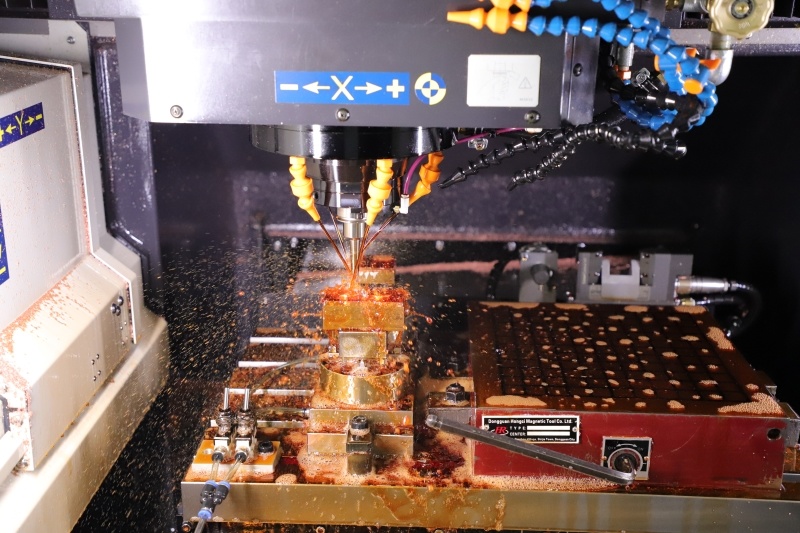
Laser jet welding machine nozzles are essential components in the realm of advanced manufacturing, particularly in sectors like mold making, die casting, and forging. These nozzles play a crucial role in directing and shaping the laser beam used in welding processes. Understanding their function and importance can help manufacturers optimize their welding techniques, leading to better product qual

The primary function of a laser jet welding machine nozzle is to focus the laser beam onto the workpiece, ensuring a concentrated energy source that can melt and join materials with precision. The design of the nozzle affects the beam characteristics, including its focus, intensity, and shape. Different applications may require specific nozzle designs to achieve desired results, making it imperative for manufacturers to choose the right nozzle for their welding tasks.
In addition to directing the laser beam, the nozzle also assists in the removal of molten material and debris during the welding process. This is vital for maintaining a clean and efficient working environment, which in turn contributes to the overall quality of the weld. By effectively managing the molten material, the nozzle helps prevent defects such as porosity and uneven surfaces, which can compromise the integrity of the welded joint.
Moreover, the material and construction of the nozzle are critical factors in its performance. High-quality nozzles are typically made from durable materials that can withstand the extreme temperatures and pressures involved in the welding process. Proper maintenance and regular inspections of the nozzles can prolong their lifespan and ensure consistent welding performance.
It is also worth noting that nozzle geometry can significantly impact the welding process. For instance, a conical nozzle might be used for deeper penetration in thicker materials, while a flat nozzle might be more suitable for wider weld seams. Manufacturers should assess their specific needs and choose nozzles that complement their operational requirements.
In summary, laser jet welding machine nozzles are indispensable in the manufacturing process, directly influencing the quality, efficiency, and effectiveness of welding operations in industries such as mold making, die casting, and forging. By understanding their functionality, materials, and appropriate applications, manufacturers can make informed decisions that enhance their production capabilities. Investing time in selecting the correct nozzle can lead to significant improvements in weld quality and overall manufacturing performance.

SAF Coolest v1.3.1.2 设置面板 GAGSD-ZGYF-JVZFE-ASQ
无数据提示
Sorry, the current column is being updated, please look forward to it!
You can view other columns or returnHome Page