
-

About Us
Dongguan Mixiao New Material Technology Co., Ltd. was established in 2013 and is located in Changping Town, Dongguan City, the capital of manufacturing. It has strong independent development, design, and production capabilities, and produces products such as metal and non-metal product molds, automotive and motorcycle molds
-
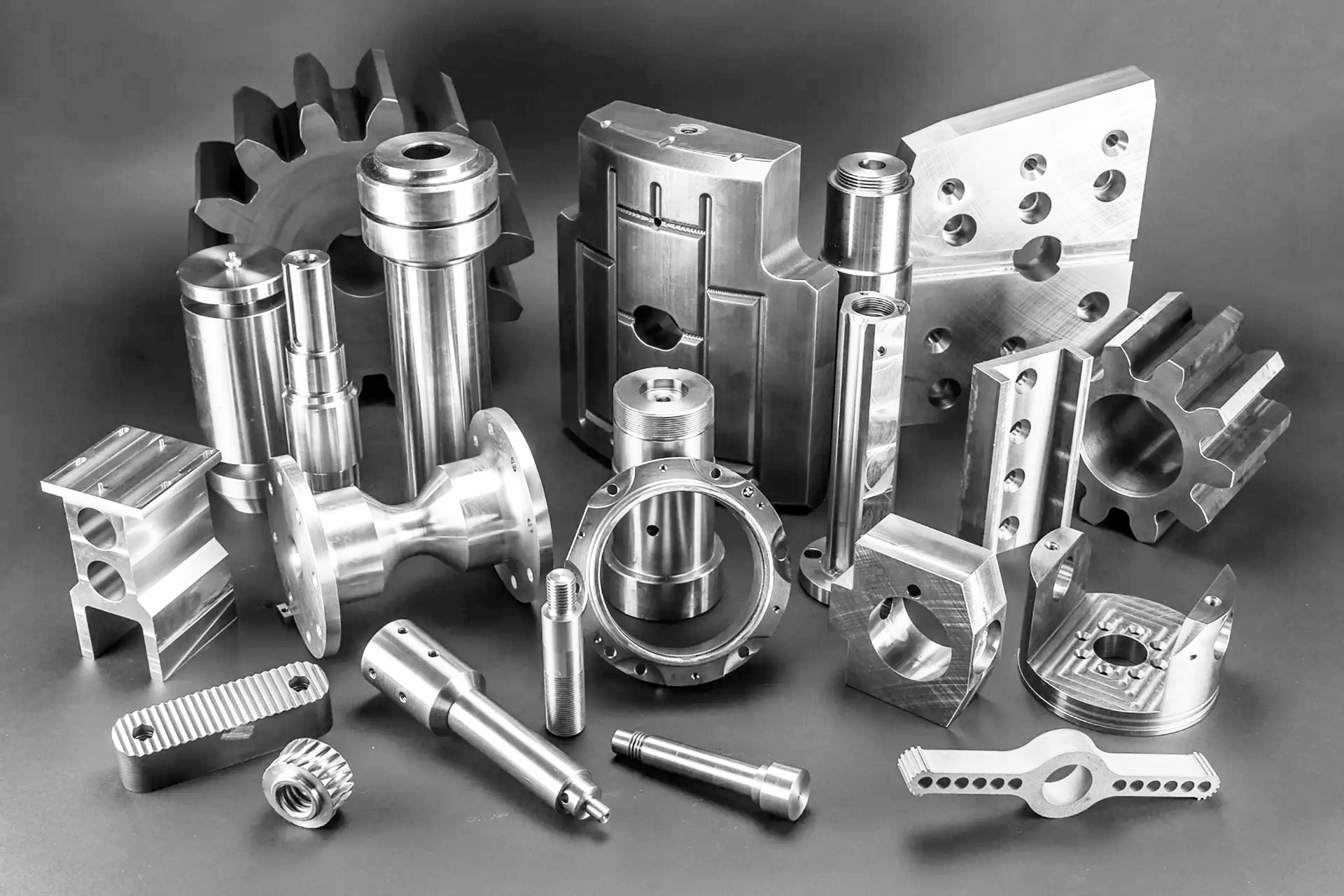
Products
Dongguan Mixiao New Material Technology Co., Ltd. was established in 2013 and is located in Changping Town, Dongguan City, the capital of manufacturing. It has strong independent development, design, and production capabilities, and produces products such as metal and non-metal product molds, automotive and motorcycle molds
-

Service
Dongguan Mixiao New Material Technology Co., Ltd. was established in 2013 and is located in Changping Town, Dongguan City, the capital of manufacturing. It has strong independent development, design, and production capabilities, and produces products such as metal and non-metal product molds, automotive and motorcycle molds
-

Blog
Dongguan Mixiao New Material Technology Co., Ltd. was established in 2013 and is located in Changping Town, Dongguan City, the capital of manufacturing. It has strong independent development, design, and production capabilities, and produces products such as metal and non-metal product molds, automotive and motorcycle molds
-

Contact us
Dongguan Mixiao New Material Technology Co., Ltd. was established in 2013 and is located in Changping Town, Dongguan City, the capital of manufacturing. It has strong independent development, design, and production capabilities, and produces products such as metal and non-metal product molds, automotive and motorcycle molds

Revolutionizing 3D Printing: Innovations in Nozzle Technology Transforming Manufacturing
Release time:
Jun 02,2026
Revolutionizing 3D Printing: Innovations in Nozzle Technology Transforming Manufacturing Table of Contents 1. Introduction to 3D Printing Nozzles 2. The Importance of Nozzle Technology in 3D Printing 3. Types of 3D Printing Nozzles 3.1 Standard Nozzles 3.2 Specialized Nozzles 3.3 Dual Extruder Nozzles 4. Recent Innovations in 3D Printing Nozzles 4

Revolutionizing 3D Printing: Innovations in Nozzle Technology Transforming Manufacturing
Table of Contents
- 1. Introduction to 3D Printing Nozzles
- 2. The Importance of Nozzle Technology in 3D Printing
- 3. Types of 3D Printing Nozzles
- 4. Recent Innovations in 3D Printing Nozzles
- 5. Impact of Innovations on the Industry
- 6. The Future of 3D Printing Nozzle Technology
- 7. Frequently Asked Questions
- 8. Conclusion
1. Introduction to 3D Printing Nozzles
3D printing revolutionizes manufacturing by creating three-dimensional objects layer by layer from digital models. Central to this process is the **3D printing nozzle**, which plays a crucial role in material extrusion. The nozzle controls the flow of the printing material, which can significantly impact the quality and precision of the final product. As manufacturers demand more from their 3D printing systems, innovations in nozzle technology have become essential to meet these evolving needs.
2. The Importance of Nozzle Technology in 3D Printing
The nozzle is often viewed as the heart of a 3D printer. Its design and functionality determine various aspects, such as print speed, layer adhesion, and surface finish. The **importance of nozzle technology** extends beyond mere extrusion; it encompasses thermal dynamics, pressure regulation, and compatibility with diverse materials. As industries transition to additive manufacturing, the performance of 3D printing nozzles will continue to influence productivity, cost-efficiency, and material properties.
3. Types of 3D Printing Nozzles
The world of 3D printing nozzles is vast, with various types designed to suit different printing needs. Understanding these types is essential for optimizing printing processes.
3.1 Standard Nozzles
These are the most common nozzles used in Fused Deposition Modeling (FDM) printers. Typically made of brass, standard nozzles come in various sizes, allowing for versatility in print resolution. Smaller diameters produce finer details, while larger ones enable quicker prints. The choice of nozzle size can significantly affect print speed and detail.
3.2 Specialized Nozzles
Specialized nozzles are designed for specific applications and materials. For instance, hardened steel nozzles are suitable for abrasive filaments like carbon fiber and nylon, while silicone nozzles can handle high-temperature materials. Such specialized nozzles ensure that printers can tackle a wider array of projects without compromising quality.
3.3 Dual Extruder Nozzles
Dual extruder nozzles allow for printing with two materials simultaneously. This capability opens doors to complex designs, such as creating support structures with soluble materials or printing multi-colored objects. Dual extruder setups require precise calibration but can significantly enhance creativity and functionality in 3D printed objects.
4. Recent Innovations in 3D Printing Nozzles
With the constant evolution of 3D printing technology, numerous innovations are emerging in nozzle design and functionality. These advancements are changing how products are manufactured and enhancing overall printing efficiency.
4.1 Advanced Temperature Control
Recent advancements in **temperature control** systems have led to nozzles that maintain optimal temperatures for various materials. This innovation reduces the risk of clogs and improves filament flow, resulting in smoother prints. High-temperature nozzles can handle engineering-grade materials that were previously challenging to work with, expanding the possibilities of 3D printing.
4.2 Multi-Material Printing
The ability to print with multiple materials in one go is a game changer. Innovations in multi-material nozzles enable the seamless transition between various filaments, allowing for more intricate and functional designs. This capability is crucial for industries where end-use parts require a combination of properties, such as flexibility and rigidity.
4.3 Self-Cleaning Technologies
**Self-cleaning** nozzle technologies are making waves in the 3D printing industry. These nozzles are designed to reduce downtime caused by clogs and blockages. By incorporating advanced materials and design features, these nozzles can automatically clear residual material after a print job, ensuring optimal performance for subsequent prints.
5. Impact of Innovations on the Industry
The innovations in 3D printing nozzle technology are having a profound impact on various industries. From aerospace to medical applications, these advancements are enabling manufacturers to produce complex parts with unprecedented efficiency and precision.
One significant impact is the reduction in production times. Advanced nozzles allow for faster print speeds without sacrificing quality, enabling businesses to meet tight deadlines. Moreover, the ability to use multiple materials in a single print job can streamline production processes by reducing the number of assemblies required, leading to cost savings.
Additionally, innovations in nozzle technology contribute to sustainability efforts in manufacturing. By enabling the use of recycled materials and minimizing waste through improved print accuracy, companies can reduce their environmental footprint.
6. The Future of 3D Printing Nozzle Technology
As we look to the future, the potential for **3D printing nozzle technology** seems limitless. Ongoing research and development are likely to yield even more sophisticated nozzles that enhance the printing experience. Potential advancements include:
- **Smart Nozzles**: Incorporating sensors to monitor material flow and temperature in real-time, allowing for dynamic adjustments during printing.
- **Advanced Materials**: Developing nozzles that can work with emerging materials, such as bio-based or metal-infused filaments, expanding the horizons of 3D printing applications.
- **Integration with AI**: Using artificial intelligence to optimize nozzle performance based on specific print jobs, ensuring the best outcomes for each project.
The future of 3D printing nozzles will undoubtedly shape the contours of manufacturing, making it more efficient, versatile, and sustainable.
7. Frequently Asked Questions
What is the standard size for a 3D printing nozzle?
The most common standard size for a 3D printing nozzle is 0.4 mm, suitable for general-purpose printing. However, sizes can range from 0.2 mm for detailed prints to 1.0 mm for faster prints.
How do I know if I need a specialized nozzle?
If you are working with abrasive materials, high-temperature filaments, or require specific features like dual-material capabilities, investing in specialized nozzles is advisable.
Can I use a larger nozzle size for finer prints?
While larger nozzle sizes can speed up the printing process, they typically sacrifice detail. For finer prints, a smaller nozzle is recommended.
What maintenance do 3D printing nozzles require?
Regular maintenance includes cleaning the nozzle to prevent clogs, checking for wear and tear, and ensuring proper calibration for optimal performance.
How do self-cleaning nozzles work?
Self-cleaning nozzles use advanced materials and designs that can remove residual filament after a print job, reducing downtime and maintenance requirements.
8. Conclusion
The innovations in 3D printing nozzle technology are transforming the manufacturing landscape, providing enhanced capabilities, efficiency, and sustainability. As we continue to explore new materials and methods, the role of nozzles will be central to the evolution of 3D printing. By embracing these advancements, industries can unlock new potential in design, production, and innovation, paving the way for a future where 3D printing becomes an integral part of manufacturing processes across the globe.

SAF Coolest v1.3.1.2 设置面板 GAGSD-ZGYF-JVZFE-ASQ
无数据提示
Sorry, the current column is being updated, please look forward to it!
You can view other columns or returnHome Page