
-

About Us
Dongguan Mixiao New Material Technology Co., Ltd. was established in 2013 and is located in Changping Town, Dongguan City, the capital of manufacturing. It has strong independent development, design, and production capabilities, and produces products such as metal and non-metal product molds, automotive and motorcycle molds
-
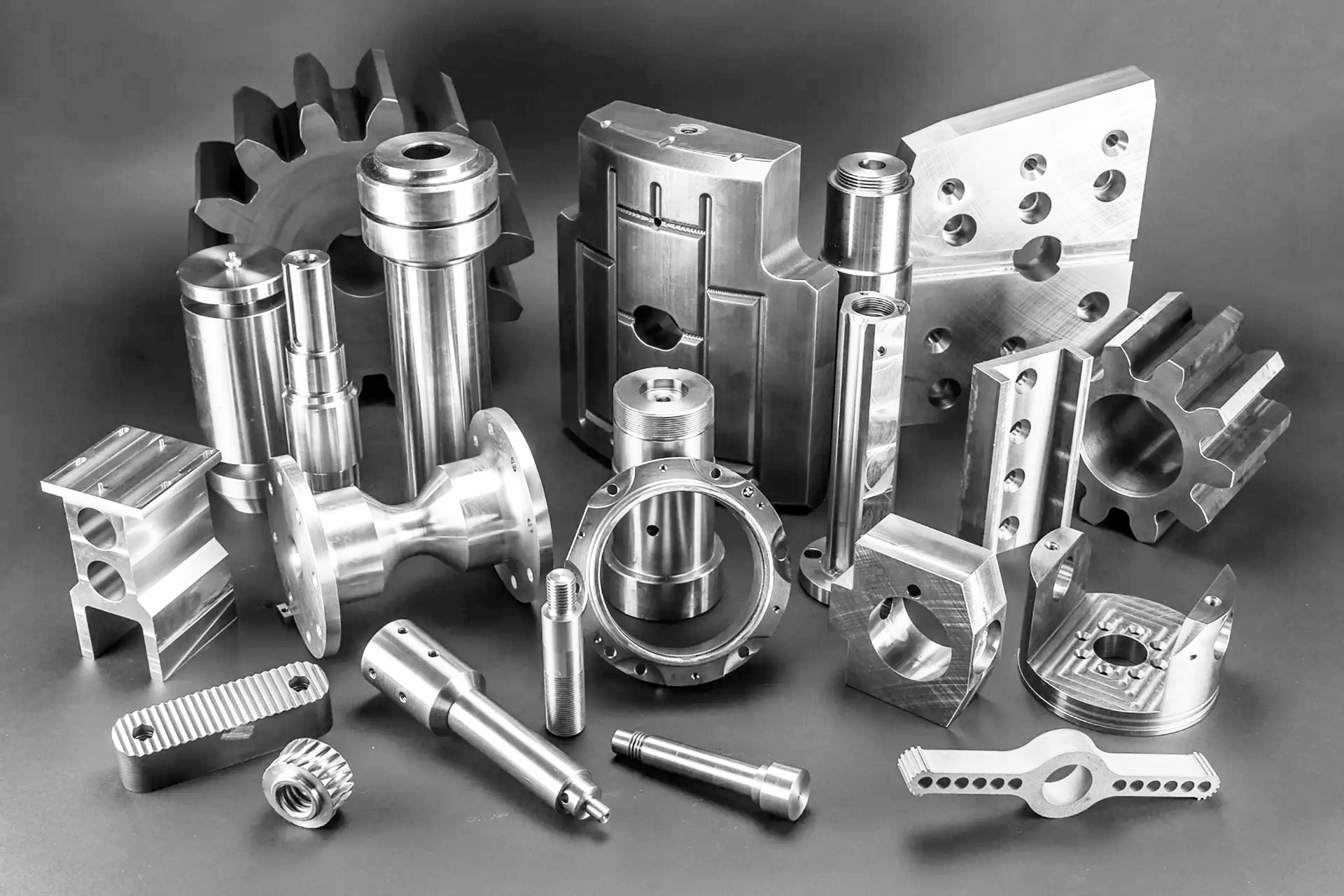
Products
Dongguan Mixiao New Material Technology Co., Ltd. was established in 2013 and is located in Changping Town, Dongguan City, the capital of manufacturing. It has strong independent development, design, and production capabilities, and produces products such as metal and non-metal product molds, automotive and motorcycle molds
-

Service
Dongguan Mixiao New Material Technology Co., Ltd. was established in 2013 and is located in Changping Town, Dongguan City, the capital of manufacturing. It has strong independent development, design, and production capabilities, and produces products such as metal and non-metal product molds, automotive and motorcycle molds
-

Blog
Dongguan Mixiao New Material Technology Co., Ltd. was established in 2013 and is located in Changping Town, Dongguan City, the capital of manufacturing. It has strong independent development, design, and production capabilities, and produces products such as metal and non-metal product molds, automotive and motorcycle molds
-

Contact us
Dongguan Mixiao New Material Technology Co., Ltd. was established in 2013 and is located in Changping Town, Dongguan City, the capital of manufacturing. It has strong independent development, design, and production capabilities, and produces products such as metal and non-metal product molds, automotive and motorcycle molds

The Essential Guide to Diamond Segments in Manufacturing and Machining
Release time:
May 31,2026
Diamond segments are essential components in the manufacturing and machining processes, particularly in the production of molds for casting and forging. These segments are typically composed of diamond particles bonded to a metallic matrix, providing superior hardness and wear resistance. The primary function of diamond segments is to cut, grind, or shape various materials, including metals, ceram

In the context of manufacturing molds, diamond segments are particularly advantageous due to their exceptional cutting efficiency and longevity. When used in machining tools, such as saw blades and grinding wheels, these segments can significantly reduce processing time while ensuring high precision. The sharpness and durability of diamond segments allow for clean cuts with minimal chipping or deformation of the workpiece, which is crucial in mold making where accuracy is paramount.
One of the key benefits of using diamond segments in the manufacturing sector is their ability to withstand high temperatures and pressures. This characteristic is particularly important in processes like die-casting and forging, where the molds are subjected to extreme conditions. The thermal stability of diamond segments ensures that they maintain their cutting performance over extended periods, thus reducing the frequency of tool changes and minimizing downtime in production lines.
Additionally, diamond segments come in various configurations and grades, which can be tailored to specific applications. For example, the size, shape, and concentration of diamonds can be adjusted to optimize performance for different materials or machining conditions. This versatility makes diamond segments an excellent choice for manufacturers who need to adapt to varying production requirements.
Another significant advantage of diamond segments is their environmental compatibility. As they produce less waste and require fewer resources for production compared to traditional abrasive materials, they align with the growing emphasis on sustainable manufacturing practices. Their long service life and efficiency also contribute to a reduction in overall operational costs.
In conclusion, diamond segments play a vital role in enhancing productivity and efficiency in manufacturing and machining processes, particularly in mold production for casting and forging. Their superior hardness, thermal stability, and adaptability make them a preferred choice for professionals in the industry. As technology continues to advance, the development of diamond segment tools will likely lead to even greater innovations in manufacturing techniques, further solidifying their importance in the sector. Embracing the use of diamond segments can significantly improve the quality of products while simultaneously optimizing production efficiency, making them an indispensable asset for manufacturers.

SAF Coolest v1.3.1.2 设置面板 GAGSD-ZGYF-JVZFE-ASQ
无数据提示
Sorry, the current column is being updated, please look forward to it!
You can view other columns or returnHome Page