
-

About Us
Dongguan Mixiao New Material Technology Co., Ltd. was established in 2013 and is located in Changping Town, Dongguan City, the capital of manufacturing. It has strong independent development, design, and production capabilities, and produces products such as metal and non-metal product molds, automotive and motorcycle molds
-
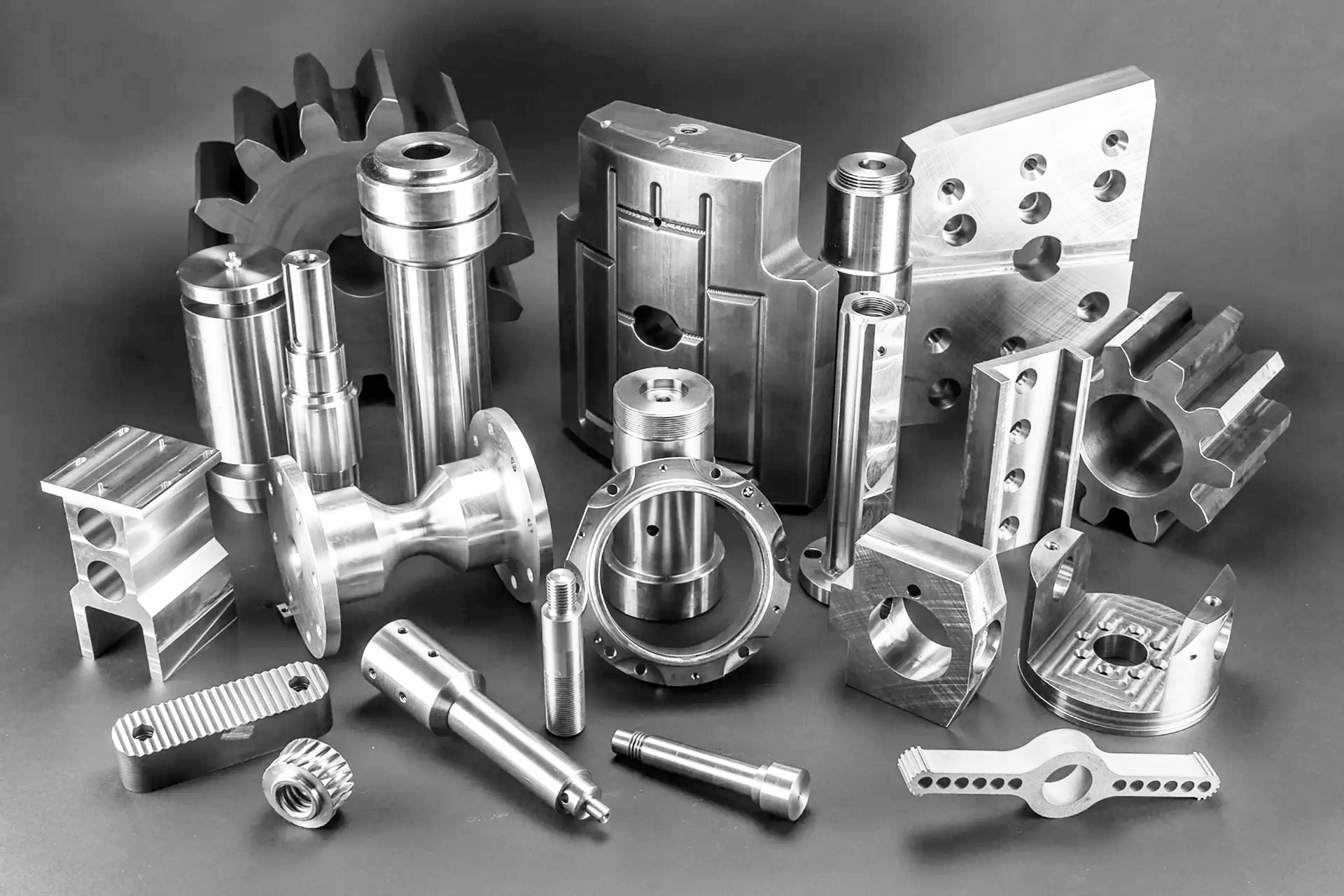
Products
Dongguan Mixiao New Material Technology Co., Ltd. was established in 2013 and is located in Changping Town, Dongguan City, the capital of manufacturing. It has strong independent development, design, and production capabilities, and produces products such as metal and non-metal product molds, automotive and motorcycle molds
-

Service
Dongguan Mixiao New Material Technology Co., Ltd. was established in 2013 and is located in Changping Town, Dongguan City, the capital of manufacturing. It has strong independent development, design, and production capabilities, and produces products such as metal and non-metal product molds, automotive and motorcycle molds
-

Blog
Dongguan Mixiao New Material Technology Co., Ltd. was established in 2013 and is located in Changping Town, Dongguan City, the capital of manufacturing. It has strong independent development, design, and production capabilities, and produces products such as metal and non-metal product molds, automotive and motorcycle molds
-

Contact us
Dongguan Mixiao New Material Technology Co., Ltd. was established in 2013 and is located in Changping Town, Dongguan City, the capital of manufacturing. It has strong independent development, design, and production capabilities, and produces products such as metal and non-metal product molds, automotive and motorcycle molds

Understanding the Anatomy of a Glass Cutter Wheel: What Makes it Work?
Release time:
May 29,2026
Understanding the Anatomy of a Glass Cutter Wheel: What Makes it Work? Table of Contents Introduction to Glass Cutter Wheels What Is a Glass Cutter Wheel? Components of a Glass Cutter Wheel The Cutting Wheel The Body of the Cutter The Handle The Lubrication System How Glass Cutters Work Tips for Using Glass Cutt

Understanding the Anatomy of a Glass Cutter Wheel: What Makes it Work?
Table of Contents
- Introduction to Glass Cutter Wheels
- What Is a Glass Cutter Wheel?
- Components of a Glass Cutter Wheel
- How Glass Cutters Work
- Tips for Using Glass Cutters Effectively
- Common Mistakes to Avoid
- Maintenance and Care of Glass Cutter Wheels
- Conclusion
- FAQs
Introduction to Glass Cutter Wheels
Glass cutting is an art that marries precision and skill. At the heart of this process lies the **glass cutter wheel**, a seemingly simple tool that plays a critical role in achieving clean, accurate cuts. Understanding its anatomy and functionality can significantly enhance your glass cutting experience, whether you are a hobbyist or a seasoned professional. In this article, we delve deep into the components of a glass cutter wheel, how they work together, and tips for using them effectively.
What Is a Glass Cutter Wheel?
A glass cutter wheel is a specialized tool designed for scoring glass surfaces to create clean breaks. The mechanism consists of a hardened cutting wheel that glides along the glass surface, creating a fine line of weakness that allows for controlled breaking. These tools are widely used in the glass industry, DIY home projects, and artistic endeavors.
Components of a Glass Cutter Wheel
To truly appreciate how a glass cutter wheel works, it’s essential to understand its individual components. Each part, no matter how small, plays a vital role in the tool’s functionality.
The Cutting Wheel
The **cutting wheel** is arguably the most critical component of a glass cutter. Typically made from carbide or diamond, this wheel is designed to withstand high pressure and provide a durable cutting edge. The cutting wheel's sharpness and material determine the quality of the cut, making it essential to choose the right type based on the glass thickness and type.
The Body of the Cutter
The **body** of the glass cutter provides structural integrity and houses the cutting wheel. It is often made from lightweight metals or high-strength plastics for ease of handling. The design can vary among models; some feature ergonomic shapes that enhance grip and control during operation.
The Handle
The **handle** of the glass cutter is where user interaction occurs. A well-designed handle ensures comfort and reduces fatigue during prolonged use. Many handles are designed with anti-slip textures to provide a secure grip, crucial for maintaining precision when scoring glass.
The Lubrication System
Some advanced glass cutter wheels incorporate a **lubrication system** that helps reduce friction during cutting. Lubricants can be water or oil-based, which not only improve the cutting performance but also prolong the lifespan of the cutting wheel by minimizing wear and tear.
How Glass Cutters Work
Understanding the operational mechanics of a glass cutter wheel can demystify the cutting process. When the cutting wheel is drawn across the glass surface, it applies pressure that creates a score line. This score line acts as a weakness that allows the glass to break cleanly along that line when subjected to sufficient force.
The angle of the cutting wheel is also crucial. A proper angle ensures that the score line is deep enough to facilitate breaking without compromising the integrity of the glass. It’s important to maintain a steady speed and consistent pressure during the cutting process to achieve the best results.
Tips for Using Glass Cutters Effectively
Using a glass cutter effectively requires practice and technique. Here are some practical tips to ensure optimal results:
1. **Choose the Right Tool**: Select a glass cutter wheel that is designed for the thickness and type of glass you are working with.
2. **Prepare the Glass Surface**: Clean the glass thoroughly to remove dust and debris that may interfere with the cutting process.
3. **Mark Your Cut Line**: Use a marker to indicate where you intend to cut. This will serve as a guide during the scoring process.
4. **Apply Consistent Pressure**: Maintain even pressure while cutting. Too much pressure can crack the glass, while too little can result in an incomplete score line.
5. **Use a Straightedge**: For straight cuts, use a straightedge to guide your cutter, ensuring that your line is precise.
Common Mistakes to Avoid
Even seasoned professionals can make mistakes when working with glass cutters. Here are some common pitfalls to avoid:
- **Inconsistent Pressure**: Varying pressure can lead to uneven scores, resulting in jagged breaks.
- **Incorrect Angle**: Using the wrong angle can cause the cutting wheel to slip or damage the glass.
- **Neglecting Lubrication**: Failing to lubricate the cutting wheel can lead to increased wear and less effective cutting.
- **Cutting on Uneven Surfaces**: Ensure that your cutting surface is flat and stable to prevent accidents and achieve clean cuts.
Maintenance and Care of Glass Cutter Wheels
To ensure the longevity and performance of your glass cutter wheel, regular maintenance is essential. Here are some tips:
- **Clean After Use**: Wipe down the cutting wheel and body after each use to remove any glass residue or lubricant.
- **Inspect Regularly**: Check for signs of wear, particularly on the cutting wheel. Replace it if it shows signs of dullness or damage.
- **Store Properly**: Keep your glass cutter in a protective case or designated tool organizer to prevent accidental damage.
Conclusion
Understanding the anatomy of a glass cutter wheel is crucial for anyone looking to master the art of glass cutting. By familiarizing yourself with its components, functionality, and best practices, you can achieve precise and clean cuts. Whether you are crafting DIY projects or working in a professional context, a well-maintained glass cutter can make all the difference in your results. Embrace the knowledge and skills outlined in this guide to elevate your glass-cutting endeavors.
FAQs
1. What type of glass cutter wheel is best for beginners?
For beginners, a simple, user-friendly glass cutter with a carbide cutting wheel is recommended. It strikes a balance between durability and ease of use.
2. How often should I replace my cutting wheel?
The cutting wheel should be replaced when you notice a significant decrease in cutting performance or if it becomes visibly worn or damaged.
3. Can I use a glass cutter on tempered glass?
Tempered glass is more challenging to cut, and using a standard glass cutter may not yield desirable results. Specialized tools are recommended for tempered glass.
4. Is lubrication necessary for all glass cutting tasks?
While not always necessary, lubrication can improve the cutting process, especially for thicker pieces of glass. It helps reduce friction and prolongs the life of the cutter.
5. What safety precautions should I take when using a glass cutter?
Always wear safety goggles to protect your eyes from glass shards, work in a well-lit area, and ensure that your cutting surface is stable.

SAF Coolest v1.3.1.2 设置面板 GAGSD-ZGYF-JVZFE-ASQ
无数据提示
Sorry, the current column is being updated, please look forward to it!
You can view other columns or returnHome Page