
-

About Us
Dongguan Mixiao New Material Technology Co., Ltd. was established in 2013 and is located in Changping Town, Dongguan City, the capital of manufacturing. It has strong independent development, design, and production capabilities, and produces products such as metal and non-metal product molds, automotive and motorcycle molds
-
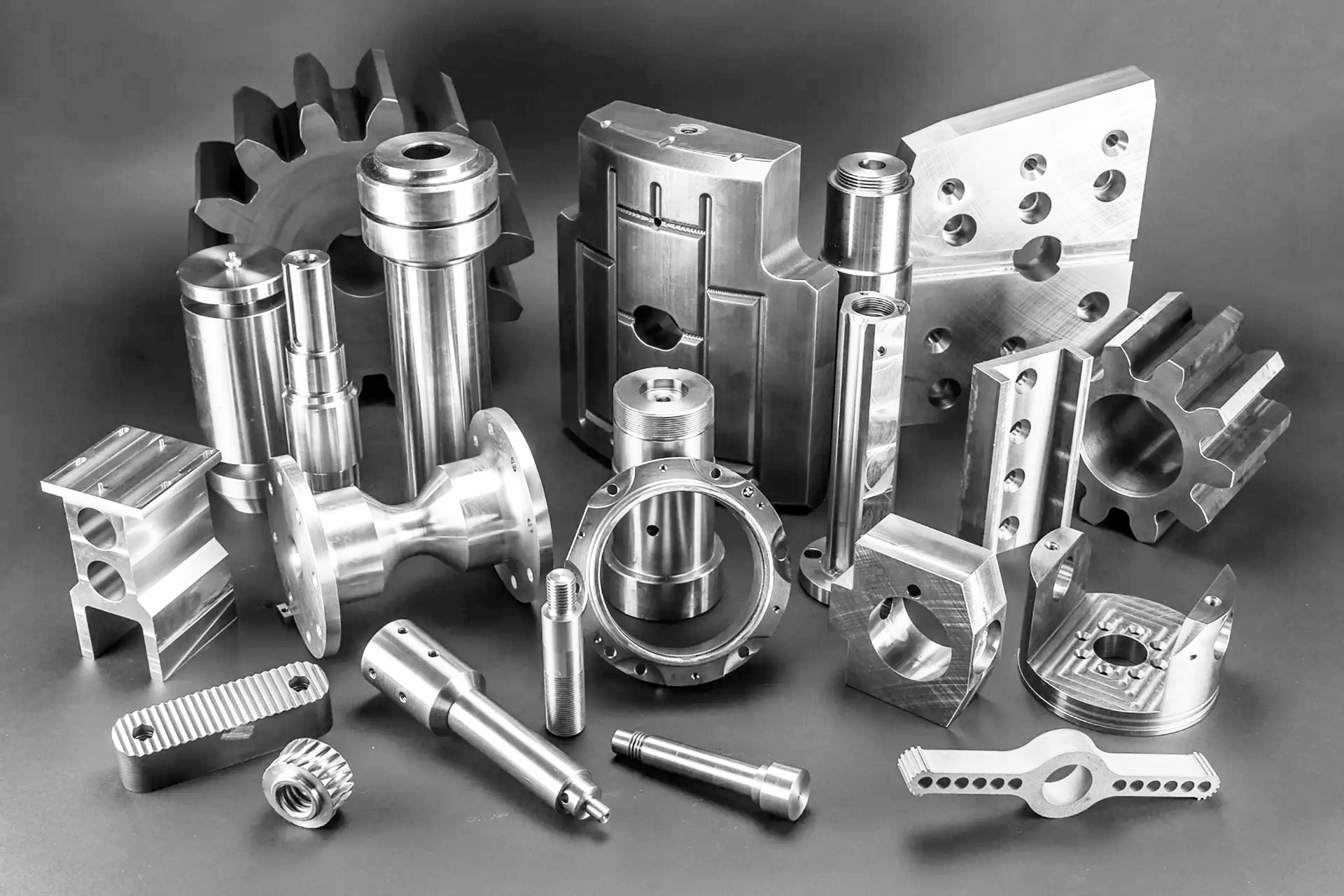
Products
Dongguan Mixiao New Material Technology Co., Ltd. was established in 2013 and is located in Changping Town, Dongguan City, the capital of manufacturing. It has strong independent development, design, and production capabilities, and produces products such as metal and non-metal product molds, automotive and motorcycle molds
-

Service
Dongguan Mixiao New Material Technology Co., Ltd. was established in 2013 and is located in Changping Town, Dongguan City, the capital of manufacturing. It has strong independent development, design, and production capabilities, and produces products such as metal and non-metal product molds, automotive and motorcycle molds
-

Blog
Dongguan Mixiao New Material Technology Co., Ltd. was established in 2013 and is located in Changping Town, Dongguan City, the capital of manufacturing. It has strong independent development, design, and production capabilities, and produces products such as metal and non-metal product molds, automotive and motorcycle molds
-

Contact us
Dongguan Mixiao New Material Technology Co., Ltd. was established in 2013 and is located in Changping Town, Dongguan City, the capital of manufacturing. It has strong independent development, design, and production capabilities, and produces products such as metal and non-metal product molds, automotive and motorcycle molds

Understanding the Role of Rotating Shafts in Beauty Device Manufacturing
Release time:
May 27,2026
The rotating shaft is a pivotal element in many mechanical systems, including beauty devices. It serves as the main axis around which various components rotate, contributing to the device's overall functionality. In beauty applications, such as electric hairbrushes, facial cleansing devices, and laser hair removal systems, the efficiency and durability of the rotating shaft are paramount. When des

When designing a rotating shaft for a beauty device, several factors must be considered. First and foremost is the choice of material. High-strength alloys, stainless steels, or polymer composites are often preferred due to their superior mechanical properties and resistance to wear and corrosion. This is particularly important in beauty devices, which may come into contact with water or other substances that could degrade inferior materials.
Another essential aspect is the shaft's geometry. The diameter, length, and profile of the rotating shaft must be optimized to balance power transfer, torque requirements, and operational speed. Engineers often utilize simulation software to analyze stress distribution and performance under various load conditions, ensuring that the design meets the required specifications without compromising durability.
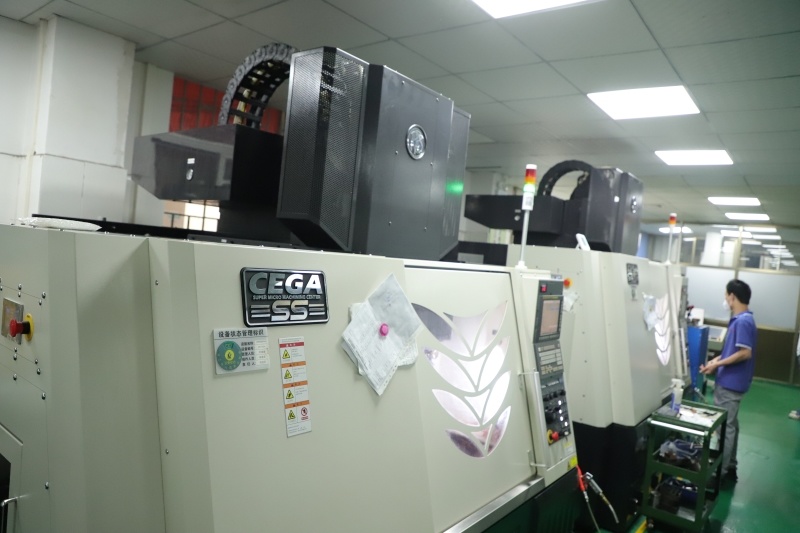
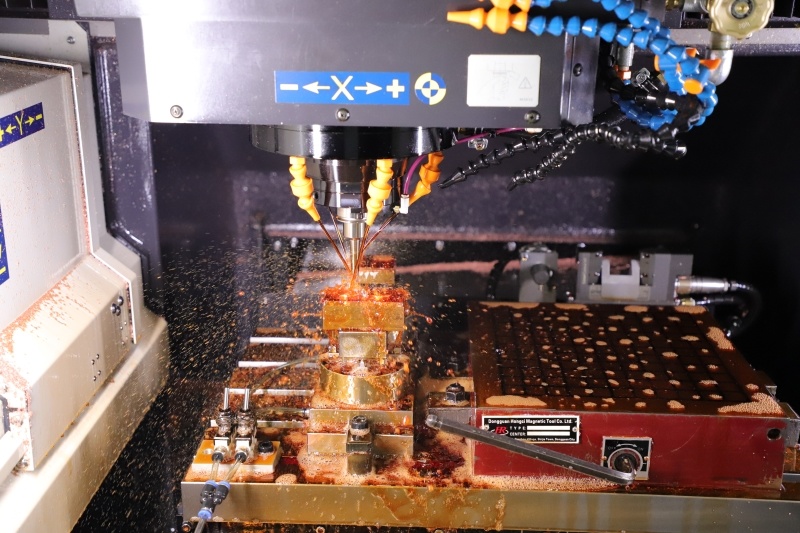
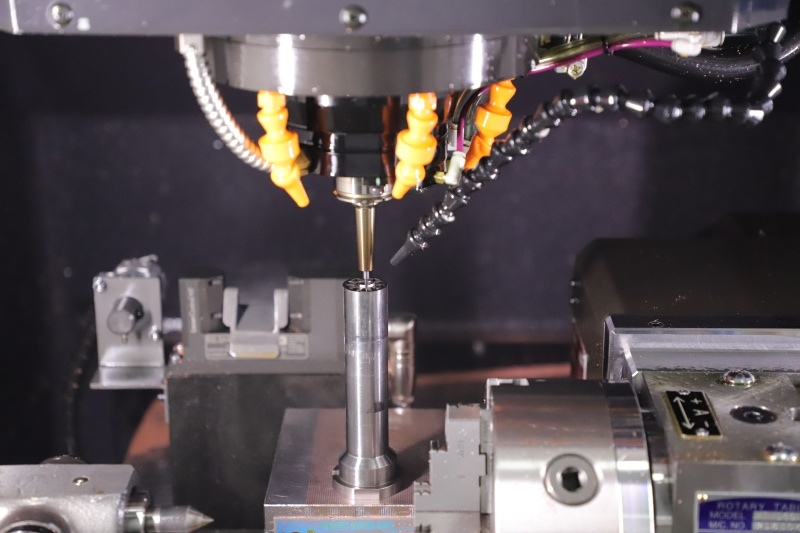
Manufacturing processes play a critical role in the production of rotating shafts for beauty devices. Techniques such as precision machining, forging, and extrusion can be employed to achieve the desired tolerances and surface finishes. Advanced methods like CNC machining offer significant advantages in terms of accuracy and repeatability, which are vital for maintaining quality standards in mass production.
Furthermore, surface treatments can enhance the performance of rotating shafts. Processes like hardening, coating, or polishing can reduce friction, improve resistance to wear, and extend the lifespan of the component. This is especially important in beauty applications where the rotating shaft endures repeated cycles of operation.
In conclusion, the design and manufacturing of rotating shafts for beauty devices are complex processes that require a deep understanding of material properties, geometry, and production techniques. By focusing on these aspects, manufacturers can create high-quality, durable components that enhance the functionality and user experience of beauty devices. As the industry continues to innovate, the importance of well-engineered rotating shafts cannot be overstated, positioning them as a cornerstone of successful beauty device design.

SAF Coolest v1.3.1.2 设置面板 GAGSD-ZGYF-JVZFE-ASQ
无数据提示
Sorry, the current column is being updated, please look forward to it!
You can view other columns or returnHome Page