
-

About Us
Dongguan Mixiao New Material Technology Co., Ltd. was established in 2013 and is located in Changping Town, Dongguan City, the capital of manufacturing. It has strong independent development, design, and production capabilities, and produces products such as metal and non-metal product molds, automotive and motorcycle molds
-
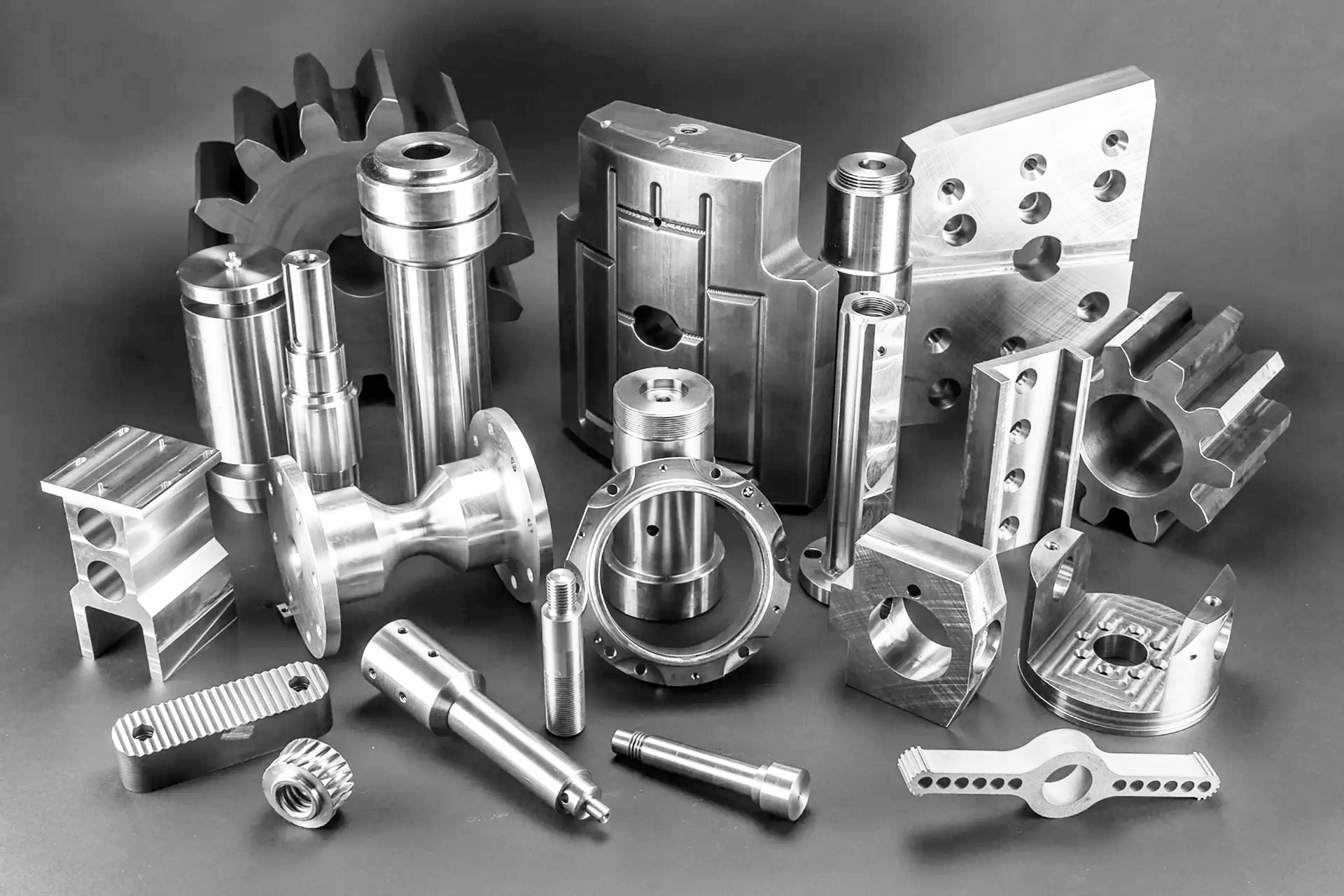
Products
Dongguan Mixiao New Material Technology Co., Ltd. was established in 2013 and is located in Changping Town, Dongguan City, the capital of manufacturing. It has strong independent development, design, and production capabilities, and produces products such as metal and non-metal product molds, automotive and motorcycle molds
-

Service
Dongguan Mixiao New Material Technology Co., Ltd. was established in 2013 and is located in Changping Town, Dongguan City, the capital of manufacturing. It has strong independent development, design, and production capabilities, and produces products such as metal and non-metal product molds, automotive and motorcycle molds
-

Blog
Dongguan Mixiao New Material Technology Co., Ltd. was established in 2013 and is located in Changping Town, Dongguan City, the capital of manufacturing. It has strong independent development, design, and production capabilities, and produces products such as metal and non-metal product molds, automotive and motorcycle molds
-

Contact us
Dongguan Mixiao New Material Technology Co., Ltd. was established in 2013 and is located in Changping Town, Dongguan City, the capital of manufacturing. It has strong independent development, design, and production capabilities, and produces products such as metal and non-metal product molds, automotive and motorcycle molds

Mastering the Art of Engraving Knives for Precision Manufacturing
Release time:
May 23,2026
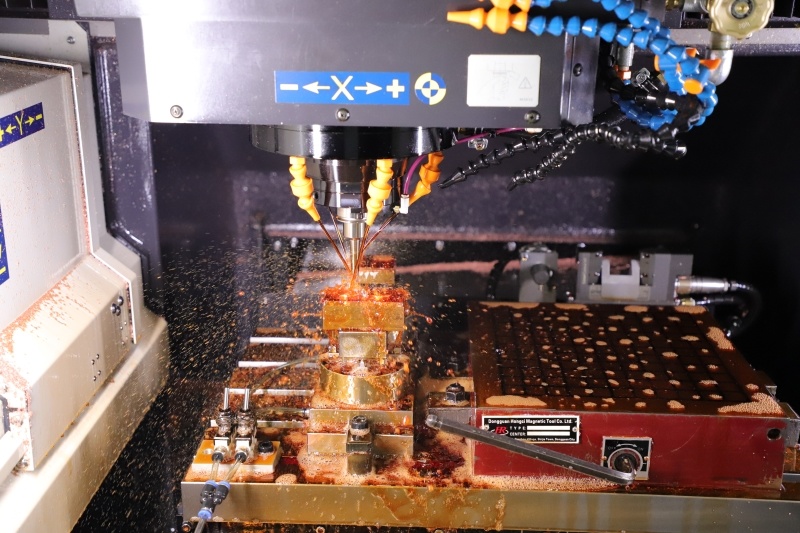
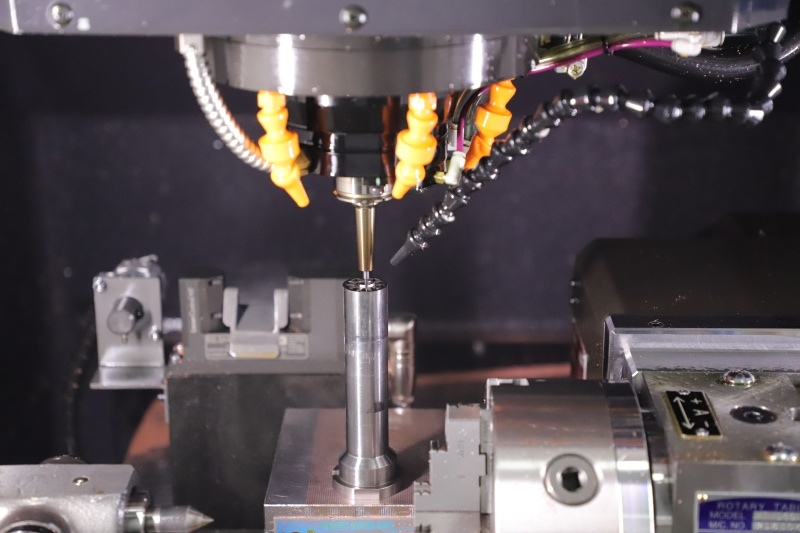
Engraving knives are specialized tools utilized in manufacturing processes, particularly in the fields of tooling, die-casting, and forging molds. These knives are designed to etch or carve intricate designs and precise markings onto various materials, enhancing both functionality and aesthetics in the final products. Understanding the nuances of engraving knives is essential for professionals see

The primary function of an engraving knife is to create fine details that standard cutting tools may not achieve. These knives typically feature a sharp, narrow blade and a comfortable handle that allows for precise control during operation. Their design makes them ideal for creating logos, serial numbers, and other identifying marks on molds, ensuring that the end products are not only functional but also visually appealing.
When selecting an engraving knife, it is crucial to consider the type of material being worked on. Different materials, such as metals, plastics, and wood, require specific blade qualities to achieve optimal results. For example, engraving knives designed for metal often feature hardened steel blades that can withstand the rigors of high-precision work. Conversely, those intended for softer materials may have more flexible blades to allow for intricate designs without damaging the substrate.
In addition to material compatibility, the angle and geometry of the engraving knife's blade play a significant role in its performance. A sharper angle can facilitate finer detail work, while a broader angle may be better suited for deeper cuts. Understanding these subtleties can greatly enhance the capabilities of professionals in the manufacturing sector, enabling them to produce higher quality and more detailed components.
Furthermore, the use of engraving knives can streamline the production process. By integrating engraving directly into the mold-making procedure, manufacturers can eliminate additional steps such as post-processing marking, thereby saving time and reducing labor costs. This efficiency not only improves productivity but also minimizes the risk of errors that can occur during subsequent handling.
Proper maintenance of engraving knives is equally important to ensure their longevity and performance. Regular sharpening and cleaning can maintain the knife's cutting efficiency and prevent material buildup that may hinder its effectiveness. Additionally, storing knives in a protective case can prevent damage and preserve their precision.
In conclusion, engraving knives are invaluable tools in the manufacturing industry, particularly in the realms of tooling, die-casting, and forging. By leveraging these specialized tools effectively, professionals can enhance their manufacturing processes, improve product quality, and achieve a competitive edge in the market. Mastery over engraving knives not only contributes to craftsmanship but also fosters innovation in design and production methodologies.

SAF Coolest v1.3.1.2 设置面板 GAGSD-ZGYF-JVZFE-ASQ
无数据提示
Sorry, the current column is being updated, please look forward to it!
You can view other columns or returnHome Page