
-

About Us
Dongguan Mixiao New Material Technology Co., Ltd. was established in 2013 and is located in Changping Town, Dongguan City, the capital of manufacturing. It has strong independent development, design, and production capabilities, and produces products such as metal and non-metal product molds, automotive and motorcycle molds
-
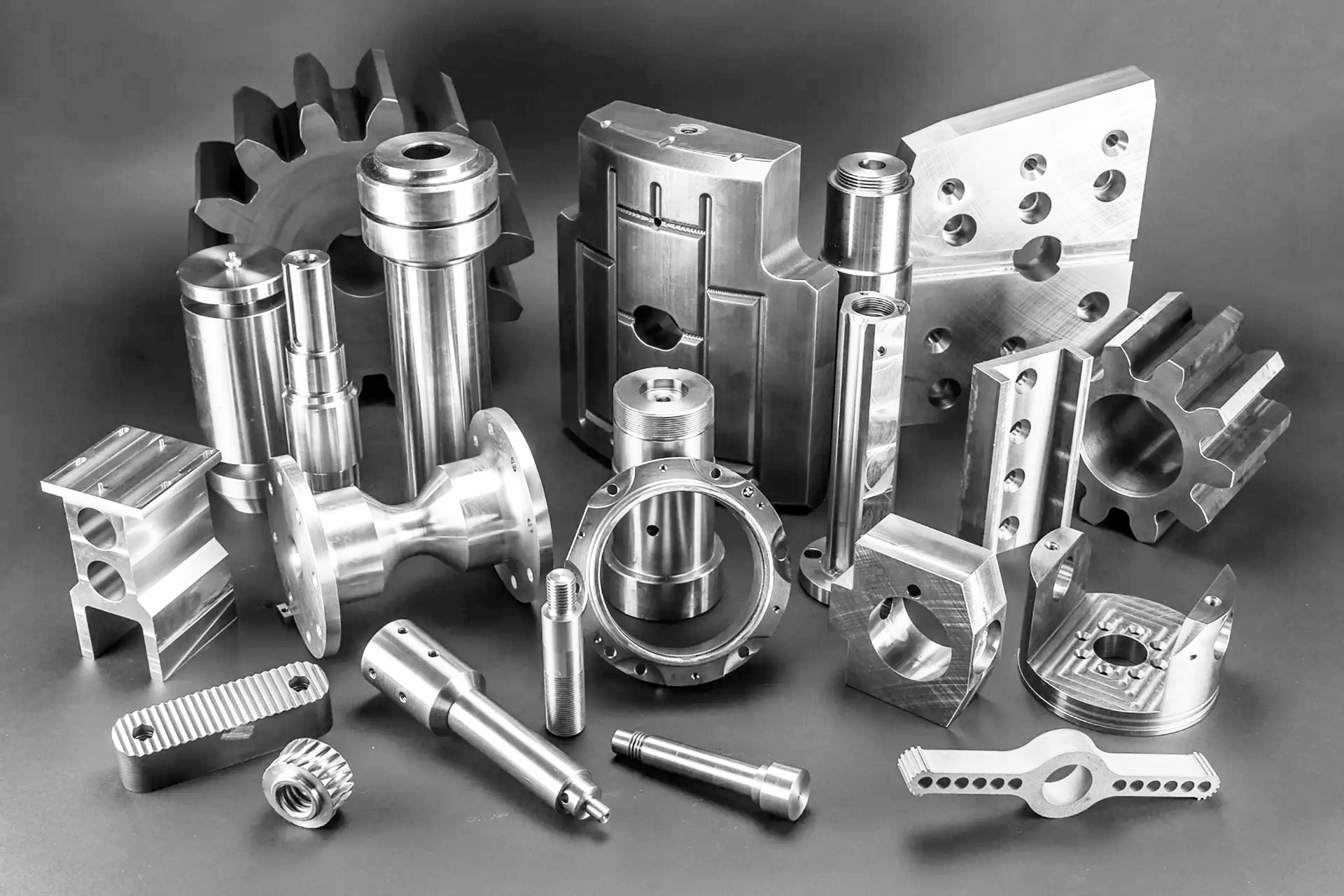
Products
Dongguan Mixiao New Material Technology Co., Ltd. was established in 2013 and is located in Changping Town, Dongguan City, the capital of manufacturing. It has strong independent development, design, and production capabilities, and produces products such as metal and non-metal product molds, automotive and motorcycle molds
-

Service
Dongguan Mixiao New Material Technology Co., Ltd. was established in 2013 and is located in Changping Town, Dongguan City, the capital of manufacturing. It has strong independent development, design, and production capabilities, and produces products such as metal and non-metal product molds, automotive and motorcycle molds
-

Blog
Dongguan Mixiao New Material Technology Co., Ltd. was established in 2013 and is located in Changping Town, Dongguan City, the capital of manufacturing. It has strong independent development, design, and production capabilities, and produces products such as metal and non-metal product molds, automotive and motorcycle molds
-

Contact us
Dongguan Mixiao New Material Technology Co., Ltd. was established in 2013 and is located in Changping Town, Dongguan City, the capital of manufacturing. It has strong independent development, design, and production capabilities, and produces products such as metal and non-metal product molds, automotive and motorcycle molds

Top Applications of Hard Alloy Sawtooth in Various Industries
Release time:
May 21,2026
Top Applications of Hard Alloy Sawtooth in Various Industries Introduction to Hard Alloy Sawtooth Technology The industrial landscape is continually evolving, with advancements in technology leading to the development of more efficient materials and processes. One such innovation is the **hard alloy sawtooth**, a highly versatile tool used in various applications. Composed of durable alloy materia

Top Applications of Hard Alloy Sawtooth in Various Industries
Introduction to Hard Alloy Sawtooth Technology
The industrial landscape is continually evolving, with advancements in technology leading to the development of more efficient materials and processes. One such innovation is the **hard alloy sawtooth**, a highly versatile tool used in various applications. Composed of durable alloy materials, these sawtooth products are designed for increased performance, extended lifespan, and improved cutting efficiency.
In this article, we will explore the top applications of hard alloy sawtooth technology across multiple industries, examining how they contribute to improved productivity and cost-effectiveness.
Understanding Hard Alloy Materials
Before diving into applications, it's essential to understand what hard alloy materials entail. Hard alloys consist of a blend of metals, primarily designed to enhance hardness, wear resistance, and toughness. They are ideal for demanding environments where traditional materials may fail.
Typical compositions can include tungsten carbide, cobalt, and other high-strength metals, which collectively provide the following advantages:
- Exceptional wear resistance
- High impact strength
- Thermal stability
- Corrosion resistance
These properties make hard alloy sawtooth tools indispensable in various industrial applications.
1. Manufacturing Industry: Precision Cutting and Shaping
In the manufacturing sector, hard alloy sawtooth materials are extensively used in cutting tools and machinery components. The precision and durability of these tools enable manufacturers to achieve intricate designs and maintain high-quality production standards.
1.1. CNC Machining
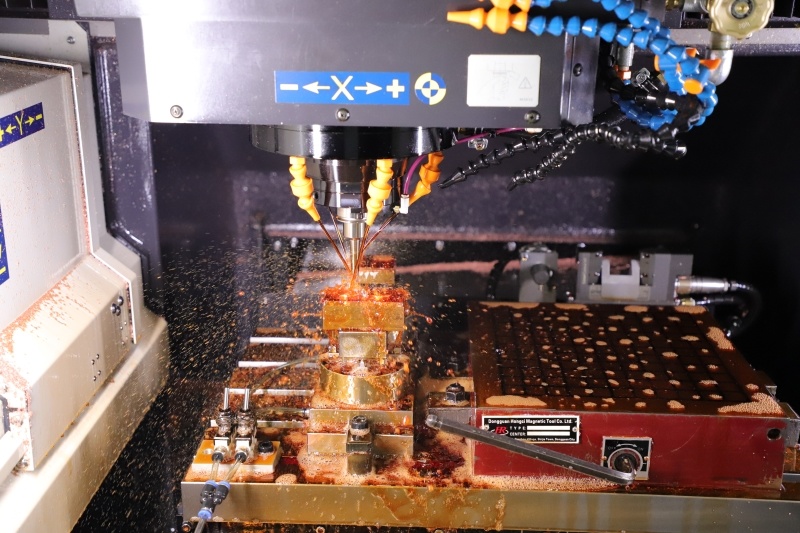
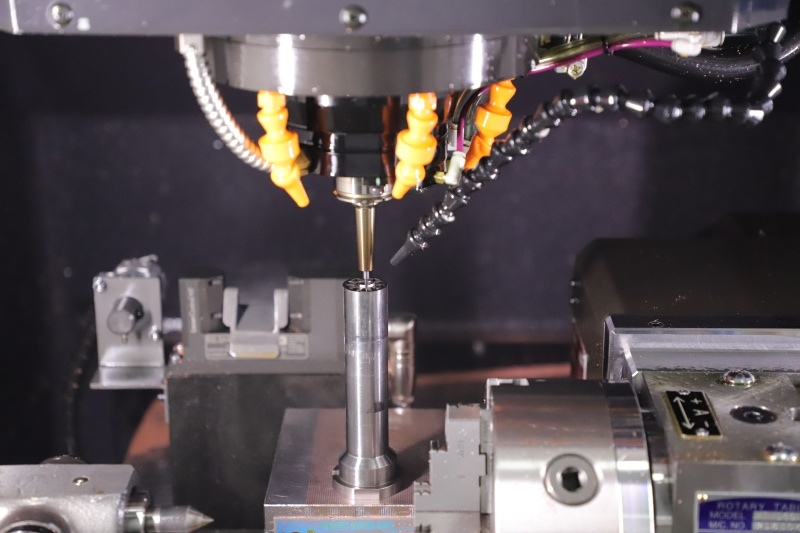
CNC (Computer Numerical Control) machining relies heavily on hard alloy sawtooth tools for their cutting and shaping capabilities. The sharpness and durability of these materials allow for intricate and precise cuts in various metals and composites, resulting in high-quality finished products.
1.2. Tool and Die Production
The tool and die industry also benefits significantly from hard alloy sawtooth technology. These tools are essential for manufacturing parts that require intricate shapes and structures, such as molds for plastic or metal components. The longevity of hard alloy sawtooth tools reduces downtime and costs associated with frequent tool replacements.
2. Construction Industry: Enhanced Material Processing
The construction industry is another significant player in the utilization of hard alloy sawtooth technology. From cutting through tough materials to shaping structural components, these tools are vital for optimal performance.
2.1. Cutting and Shaping Concrete
Hard alloy sawtooth blades are utilized for cutting and shaping concrete, ensuring clean edges and precise dimensions. This application is crucial for achieving structural integrity in buildings and infrastructure projects.
2.2. Metal Fabrication
In metal fabrication, hard alloy sawtooth tools assist in cutting and shaping various metal structures and components. Their ability to resist wear and tear makes them a favorite among fabricators who demand precision and efficiency.
3. Automotive Industry: Component Manufacturing and Repair
The automotive industry relies heavily on the capabilities of hard alloy sawtooth materials for various applications in component manufacturing and repair.
3.1. Engine Component Production
Hard alloy sawtooth tools are instrumental in machining engine components, providing the necessary precision for critical parts such as crankshafts and camshafts. This precision is essential for optimizing engine performance and efficiency.
3.2. Repair and Maintenance
In addition to manufacturing, hard alloy sawtooth tools are valuable in the repair and maintenance of vehicles. Their durability and efficiency allow mechanics to perform repairs swiftly and accurately, reducing vehicle downtime.
4. Aerospace Industry: Lightweight and Strong Solutions
The aerospace industry demands materials and tools that are both lightweight and exceptionally strong. Hard alloy sawtooth technology meets these requirements, offering solutions that enhance aircraft performance.
4.1. Precision Machining of Aerospace Components
Hard alloy sawtooth tools are employed in the precision machining of complex aerospace components. Their ability to maintain sharpness and resist wear ensures that manufacturers can produce lightweight yet durable components for aircraft.
4.2. Improving Aerodynamic Performance
The accuracy of hard alloy sawtooth tools contributes directly to improving the aerodynamic performance of aircraft. By ensuring precise cuts and shapes, these tools help create components that enhance fuel efficiency and overall performance.
5. Electronics Industry: Efficient Circuit Board Manufacturing
In the electronics sector, hard alloy sawtooth tools play a crucial role in the production of circuit boards and other delicate components.
5.1. PCB Fabrication
During the fabrication of printed circuit boards (PCBs), hard alloy sawtooth tools allow for precise cuts and routing on sensitive materials. This precision is vital for ensuring that electronic components function correctly.
5.2. Defining Micro-Level Details
The ability of hard alloy sawtooth tools to handle micro-level details makes them indispensable in producing intricate electronic components that require high precision and reliability.
Benefits of Using Hard Alloy Sawtooth Tools
Utilizing hard alloy sawtooth tools across various industries brings numerous advantages, including:
- **Extended Tool Life**: The durability of hard alloy materials means fewer tool replacements are needed, saving time and costs.
- **High Precision**: These tools provide exceptional accuracy, which is crucial in fields where precision is paramount.
- **Reduced Downtime**: Improved tool longevity leads to less downtime for maintenance or replacements, increasing overall productivity.
- **Versatility**: Hard alloy sawtooth tools can be used across multiple applications and industries, making them a wise investment.
Conclusion
Hard alloy sawtooth technology has made significant inroads across multiple industries, offering a blend of durability, precision, and efficiency. From manufacturing and construction to aerospace and electronics, the applications of hard alloy sawtooth tools demonstrate their vital role in enhancing productivity and quality. As industries continue to evolve, the adoption of advanced materials like hard alloy sawtooth will undoubtedly pave the way for innovations that drive efficiency and performance to new heights.
FAQs
1. What are hard alloy sawtooth tools made of?
Hard alloy sawtooth tools are typically made from a blend of metals, including tungsten carbide and cobalt, designed to enhance hardness and durability.
2. How do hard alloy sawtooth tools compare to traditional tools?
Hard alloy sawtooth tools offer superior wear resistance, longer tool life, and higher precision compared to traditional tools, making them more efficient for industrial applications.
3. In which industries are hard alloy sawtooth tools used?
These tools are widely used in manufacturing, construction, automotive, aerospace, and electronics industries for various applications.
4. Can hard alloy sawtooth tools be re-sharpened?
Yes, hard alloy sawtooth tools can often be re-sharpened, extending their lifespan and maintaining their cutting efficiency.
5. What are the cost benefits of using hard alloy sawtooth tools?
The durability and longer life of hard alloy sawtooth tools can lead to lower long-term costs due to fewer replacements, reduced downtime, and improved production efficiency.

SAF Coolest v1.3.1.2 设置面板 GAGSD-ZGYF-JVZFE-ASQ
无数据提示
Sorry, the current column is being updated, please look forward to it!
You can view other columns or returnHome Page