
-
About Us
Dongguan Mixiao New Material Technology Co., Ltd. was established in 2013 and is located in Changping Town, Dongguan City, the capital of manufacturing. It has strong independent development, design, and production capabilities, and produces products such as metal and non-metal product molds, automotive and motorcycle molds
-
Products
Dongguan Mixiao New Material Technology Co., Ltd. was established in 2013 and is located in Changping Town, Dongguan City, the capital of manufacturing. It has strong independent development, design, and production capabilities, and produces products such as metal and non-metal product molds, automotive and motorcycle molds
-

Service
Dongguan Mixiao New Material Technology Co., Ltd. was established in 2013 and is located in Changping Town, Dongguan City, the capital of manufacturing. It has strong independent development, design, and production capabilities, and produces products such as metal and non-metal product molds, automotive and motorcycle molds
-

Blog
Dongguan Mixiao New Material Technology Co., Ltd. was established in 2013 and is located in Changping Town, Dongguan City, the capital of manufacturing. It has strong independent development, design, and production capabilities, and produces products such as metal and non-metal product molds, automotive and motorcycle molds
-

Contact us
Dongguan Mixiao New Material Technology Co., Ltd. was established in 2013 and is located in Changping Town, Dongguan City, the capital of manufacturing. It has strong independent development, design, and production capabilities, and produces products such as metal and non-metal product molds, automotive and motorcycle molds

Essential Insights into Laser Jet Welding Machine Nozzles for Enhanced Manufacturing Processes
Release time:
May 19,2026
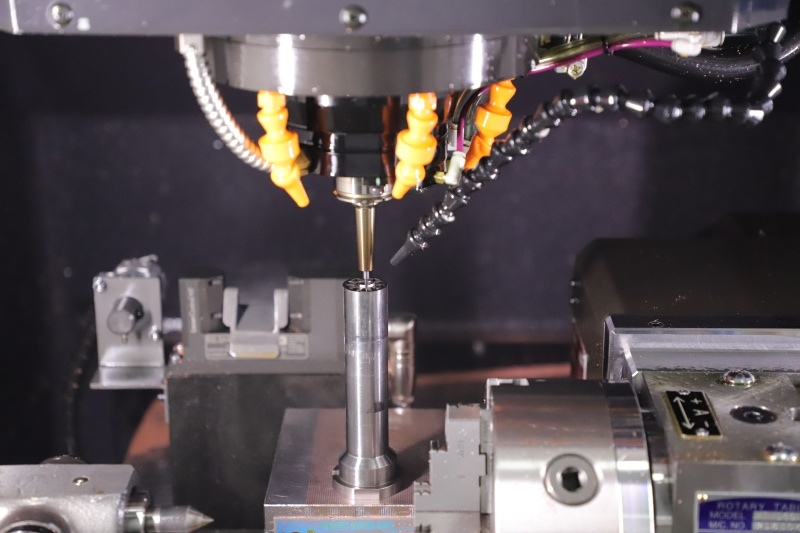
Laser jet welding is a sophisticated technique that utilizes focused laser beams to fuse materials together, offering high precision and minimal thermal distortion. A key component in this process is the laser jet welding machine nozzle. These nozzles are critical for delivering the laser beam and assist in controlling the welding environment, ensuring optimal performance and quality. The design a

The design and material of laser jet welding machine nozzles can significantly impact the efficiency and effectiveness of the welding process. Typically, nozzles are made from high-quality materials that can withstand extreme temperatures and resist wear, such as ceramics or specialized alloys. Choosing the right nozzle material is essential to ensure longevity and to minimize maintenance downtimes.
One of the primary functions of the nozzle is to focus the laser beam onto the workpiece. This requires precision engineering to ensure that the beam is appropriately collimated and directed. The nozzle's geometry plays a vital role in achieving a concentrated beam, which is necessary for high-quality welds. The diameter of the nozzle exit, for instance, directly influences the beam's intensity and the depth of penetration into the material.
Another critical aspect is the airflow through the nozzle, which helps in shielding the weld pool from atmospheric contamination and assists in cooling. The design must allow for optimal gas flow, which can affect the quality of the weld and the overall performance of the welding machine. Improper nozzle design may lead to issues such as porosity in the weld, which can compromise the strength and integrity of the finished product.
Furthermore, the nozzle's easy interchangeability is crucial in a manufacturing environment. Quick changes between different nozzle types can enhance productivity, allowing for the adaptation of the welding process to suit varying materials and thicknesses. Being able to quickly switch nozzles ensures that production can continue with minimal interruption, catering to diverse client needs.
Regular maintenance and inspection of laser jet welding machine nozzles are essential to ensure optimal performance. Operators should check for wear and tear, particularly after extended use, to avoid any potential issues that could arise from a malfunctioning nozzle.
In summary, laser jet welding machine nozzles are essential components that significantly influence the welding process's efficiency and quality. Understanding their design, material properties, and maintenance requirements can lead to better outcomes in manufacturing processes, particularly in mold, die-casting, and forging applications. Investing in high-quality nozzles and ensuring their proper care will ultimately enhance the reliability and performance of laser jet welding systems.

SAF Coolest v1.3.1.2 设置面板 GAGSD-ZGYF-JVZFE-ASQ
无数据提示
Sorry, the current column is being updated, please look forward to it!
You can view other columns or returnHome Page