
-

About Us
Dongguan Mixiao New Material Technology Co., Ltd. was established in 2013 and is located in Changping Town, Dongguan City, the capital of manufacturing. It has strong independent development, design, and production capabilities, and produces products such as metal and non-metal product molds, automotive and motorcycle molds
-
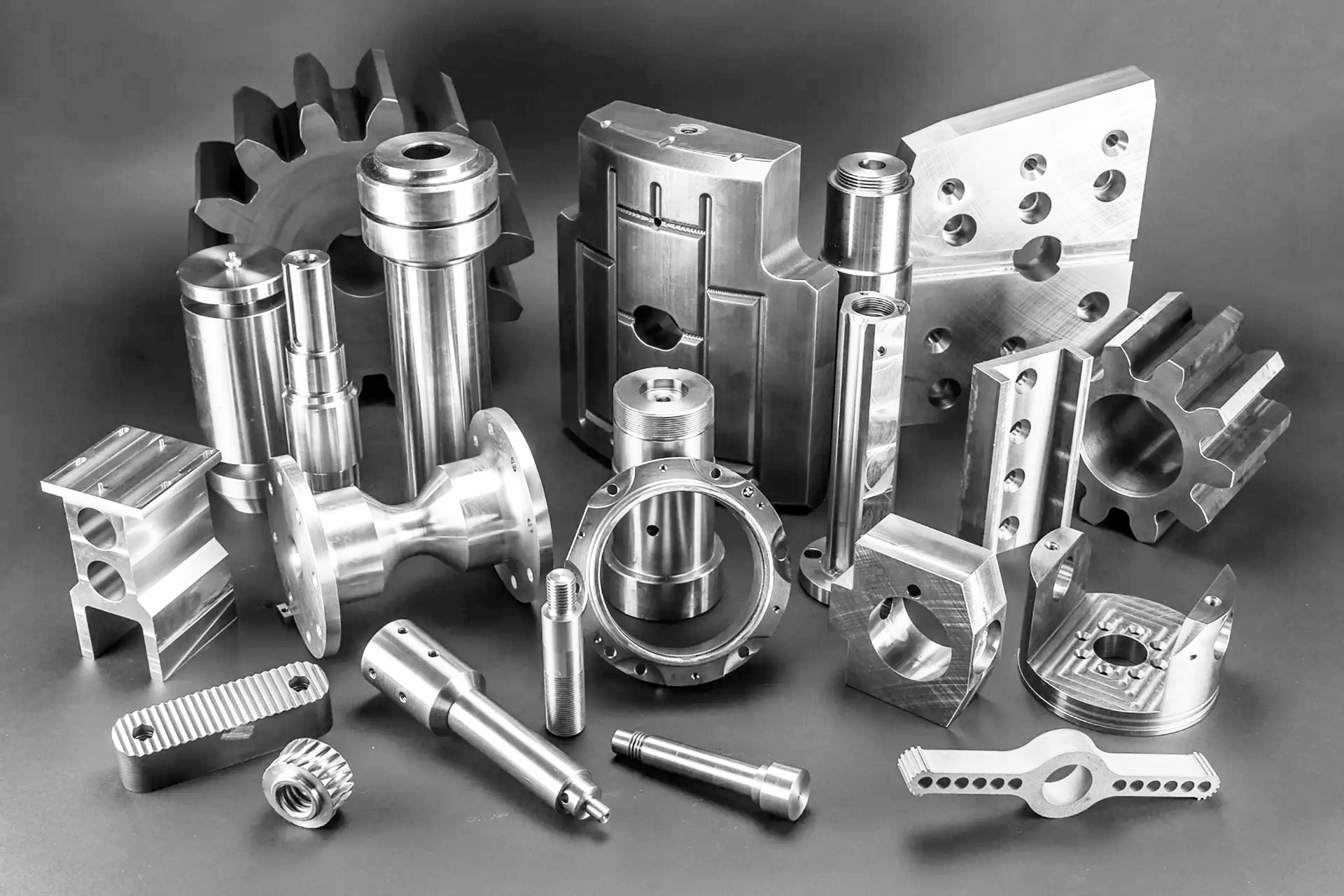
Products
Dongguan Mixiao New Material Technology Co., Ltd. was established in 2013 and is located in Changping Town, Dongguan City, the capital of manufacturing. It has strong independent development, design, and production capabilities, and produces products such as metal and non-metal product molds, automotive and motorcycle molds
-

Service
Dongguan Mixiao New Material Technology Co., Ltd. was established in 2013 and is located in Changping Town, Dongguan City, the capital of manufacturing. It has strong independent development, design, and production capabilities, and produces products such as metal and non-metal product molds, automotive and motorcycle molds
-

Blog
Dongguan Mixiao New Material Technology Co., Ltd. was established in 2013 and is located in Changping Town, Dongguan City, the capital of manufacturing. It has strong independent development, design, and production capabilities, and produces products such as metal and non-metal product molds, automotive and motorcycle molds
-

Contact us
Dongguan Mixiao New Material Technology Co., Ltd. was established in 2013 and is located in Changping Town, Dongguan City, the capital of manufacturing. It has strong independent development, design, and production capabilities, and produces products such as metal and non-metal product molds, automotive and motorcycle molds

Understanding Diamond Segments: The Key to Precision in Manufacturing and Tooling
Release time:
May 15,2026
Diamond segments are vital components widely used in the manufacturing and machining industries, especially in tools designed for cutting, grinding, and drilling hard materials. These segments consist of diamond particles bonded together with a metal matrix, allowing them to effectively cut through a variety of materials, including concrete, stone, and composite materials. This unique combination

One of the primary advantages of diamond segments is their superior cutting efficiency. The hardness of diamonds allows these segments to maintain sharp edges for extended periods, significantly reducing the frequency of tool replacement. This not only enhances productivity but also decreases downtime in production processes. For manufacturers, this means fewer interruptions and a more streamlined workflow, ultimately leading to higher output and improved profitability.
In the context of die-casting and forging molds, diamond segments play a crucial role in ensuring the accuracy of the final product. The ability to cut with precision translates directly into better surface finishes and dimensional accuracy of molds. This is particularly important in industries where tolerances are strict, and any deviation can lead to significant defects. The use of diamond segments ensures that even the most intricate designs can be produced reliably and consistently.
Moreover, the durability of diamond segments cannot be overlooked. Unlike traditional cutting tools, which can wear down quickly, diamond segments are resistant to abrasion and thermal shock. This resilience is particularly beneficial in high-temperature environments commonly found in die-casting and forging processes. As a result, manufacturers can count on diamond segments to perform consistently even under the most demanding conditions.
Another noteworthy aspect of diamond segments is their versatility. They can be manufactured in various shapes and sizes to accommodate different machining operations. Whether it's a circular saw, a grinding wheel, or custom tooling, diamond segments can be tailored to meet specific needs, providing manufacturers with flexibility in their operations.
When selecting diamond segments for your manufacturing processes, it's essential to consider factors such as the type of material being machined, the desired finish, and the operating conditions. Collaborating with knowledgeable suppliers can help you choose the right specifications to achieve optimal results.
In conclusion, diamond segments are integral to achieving precision and efficiency in manufacturing, particularly in die-casting and forging mold applications. Their superior cutting abilities, durability, and versatility make them indispensable tools in modern machining practices, enabling manufacturers to meet the challenges of today's competitive landscape while maintaining high-quality standards.

SAF Coolest v1.3.1.2 设置面板 GAGSD-ZGYF-JVZFE-ASQ
无数据提示
Sorry, the current column is being updated, please look forward to it!
You can view other columns or returnHome Page