
-

About Us
Dongguan Mixiao New Material Technology Co., Ltd. was established in 2013 and is located in Changping Town, Dongguan City, the capital of manufacturing. It has strong independent development, design, and production capabilities, and produces products such as metal and non-metal product molds, automotive and motorcycle molds
-
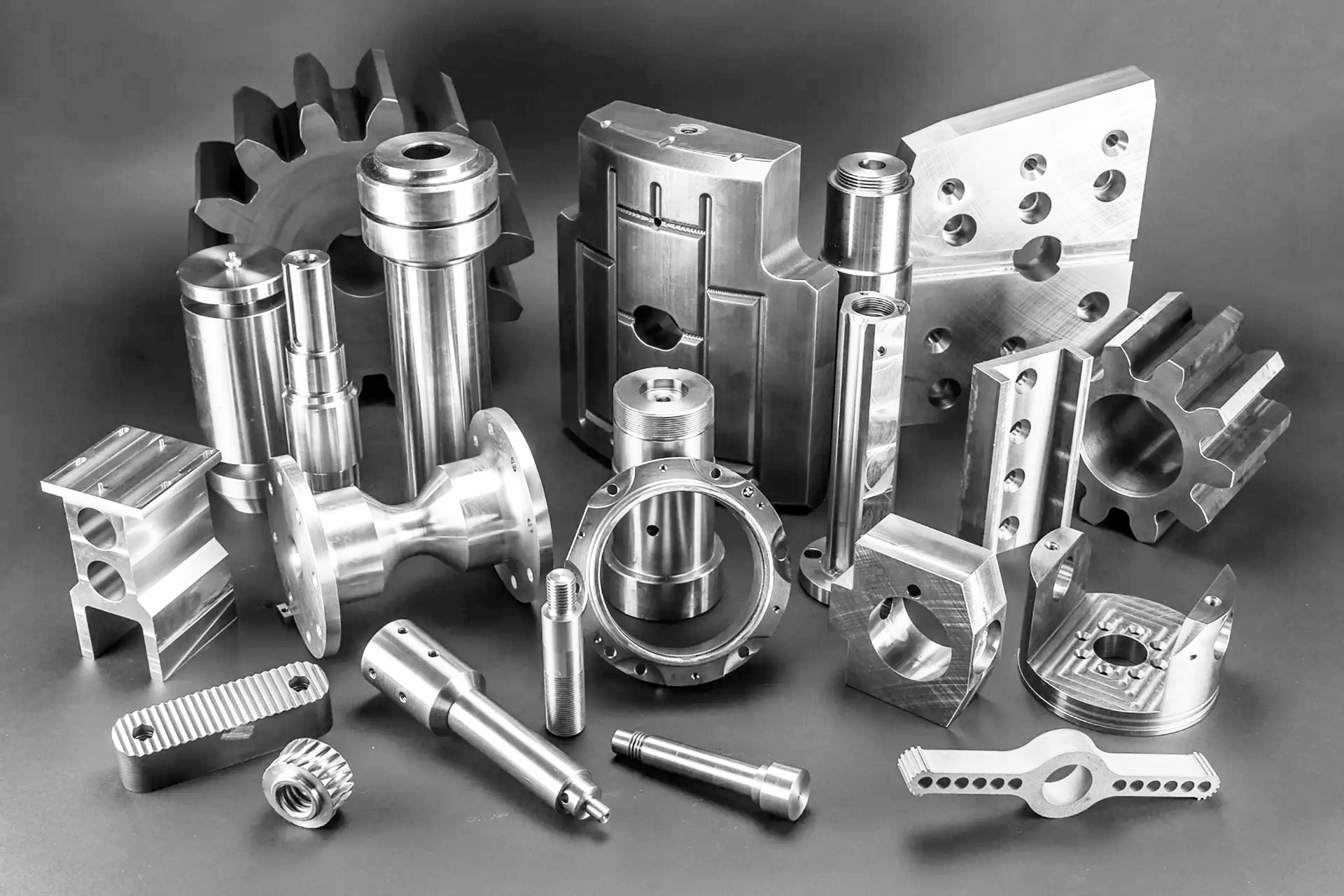
Products
Dongguan Mixiao New Material Technology Co., Ltd. was established in 2013 and is located in Changping Town, Dongguan City, the capital of manufacturing. It has strong independent development, design, and production capabilities, and produces products such as metal and non-metal product molds, automotive and motorcycle molds
-

Service
Dongguan Mixiao New Material Technology Co., Ltd. was established in 2013 and is located in Changping Town, Dongguan City, the capital of manufacturing. It has strong independent development, design, and production capabilities, and produces products such as metal and non-metal product molds, automotive and motorcycle molds
-

Blog
Dongguan Mixiao New Material Technology Co., Ltd. was established in 2013 and is located in Changping Town, Dongguan City, the capital of manufacturing. It has strong independent development, design, and production capabilities, and produces products such as metal and non-metal product molds, automotive and motorcycle molds
-

Contact us
Dongguan Mixiao New Material Technology Co., Ltd. was established in 2013 and is located in Changping Town, Dongguan City, the capital of manufacturing. It has strong independent development, design, and production capabilities, and produces products such as metal and non-metal product molds, automotive and motorcycle molds

Optimizing Rotating Shafts for Enhanced Performance in Beauty Devices
Release time:
May 11,2026
The rotating shaft is a pivotal component in various mechanical systems, including beauty devices such as electric facial brushes, hair styling tools, and skincare devices. Understanding the intricacies of rotating shafts can significantly enhance the functionality, durability, and overall user experience of these products. One of the primary considerations when designing rotating shafts for beau

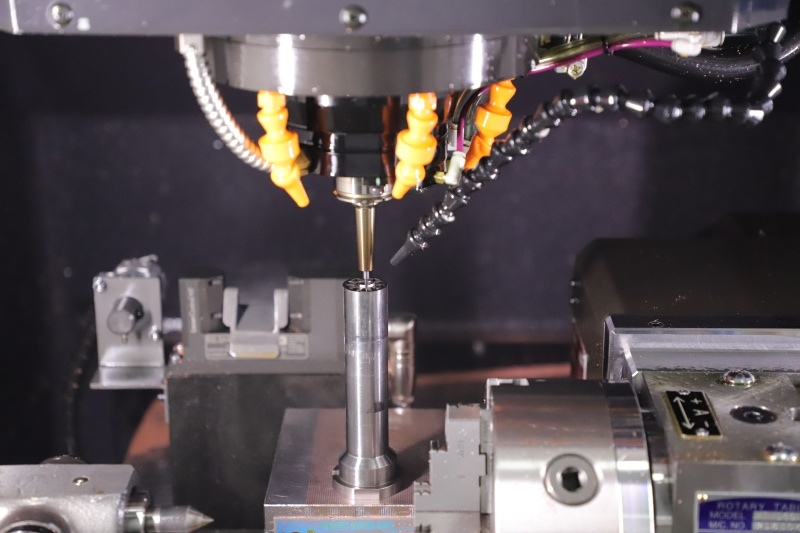
One of the primary considerations when designing rotating shafts for beauty devices is material selection. The shafts must be made from materials that offer a balance of strength, weight, and corrosion resistance. Common materials include stainless steel and high-grade plastics, which provide the necessary durability while being lightweight enough to ensure user comfort. Moreover, the machining process of the shafts should ensure precision to minimize vibrations, which can lead to a smoother operation and improved user satisfaction.
Another critical factor is the shaft diameter and length. For beauty devices, the dimensions of the rotating shaft must be optimized to cater to the specific application. A shaft that is too long may increase weight and reduce maneuverability, while a shaft that is too short may not provide adequate torque or operational efficiency. Manufacturers should consider the intended use of the beauty device and tailor the shaft dimensions accordingly to achieve the best performance.
Additionally, bearing selection is vital. Bearings support the rotating shaft and reduce friction, which is crucial for the longevity and efficiency of the device. High-quality bearings can significantly improve the performance of the rotating shaft, leading to quieter operation and enhanced durability. It is essential for manufacturers to evaluate the load requirements and operational speeds of the beauty devices when choosing the appropriate bearing type.
Furthermore, the design of the rotating shaft must also incorporate consideration for thermal management. Beauty devices often generate heat during operation, and effective heat dissipation is crucial to prevent damage to internal components. Implementing design features such as grooves or ventilation channels can aid in managing thermal buildup, ultimately leading to a more reliable product.
In conclusion, the rotating shaft is a fundamental aspect of beauty devices that directly influences their performance and user experience. By focusing on material selection, precise machining, optimal dimensions, bearing choices, and thermal management, manufacturers can enhance the functionality and longevity of their products. Understanding these technical aspects will enable businesses in the manufacturing sector to deliver high-quality beauty devices that meet consumer expectations and stand out in a competitive landscape.

SAF Coolest v1.3.1.2 设置面板 GAGSD-ZGYF-JVZFE-ASQ
无数据提示
Sorry, the current column is being updated, please look forward to it!
You can view other columns or returnHome Page