
-

About Us
Dongguan Mixiao New Material Technology Co., Ltd. was established in 2013 and is located in Changping Town, Dongguan City, the capital of manufacturing. It has strong independent development, design, and production capabilities, and produces products such as metal and non-metal product molds, automotive and motorcycle molds
-
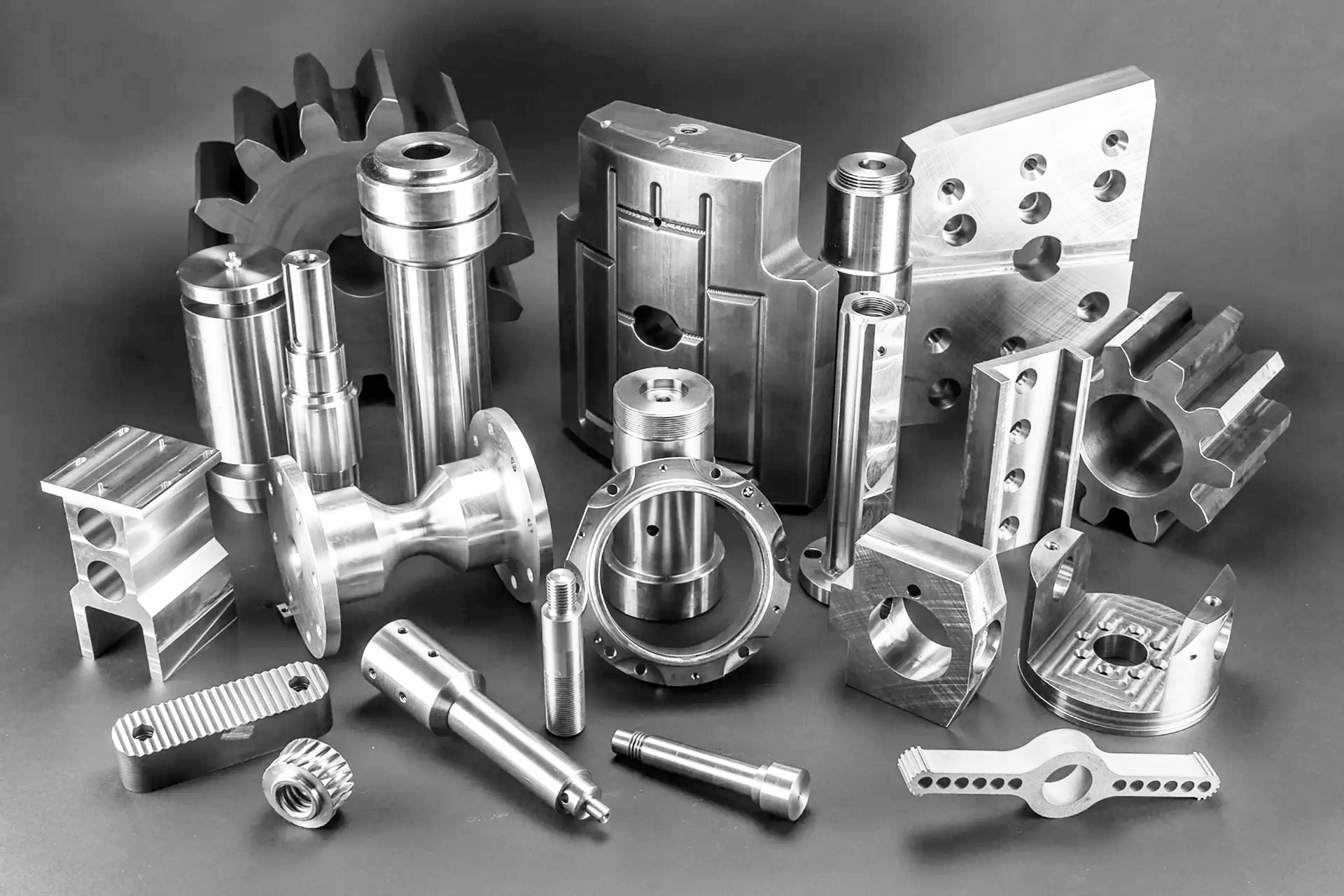
Products
Dongguan Mixiao New Material Technology Co., Ltd. was established in 2013 and is located in Changping Town, Dongguan City, the capital of manufacturing. It has strong independent development, design, and production capabilities, and produces products such as metal and non-metal product molds, automotive and motorcycle molds
-

Service
Dongguan Mixiao New Material Technology Co., Ltd. was established in 2013 and is located in Changping Town, Dongguan City, the capital of manufacturing. It has strong independent development, design, and production capabilities, and produces products such as metal and non-metal product molds, automotive and motorcycle molds
-

Blog
Dongguan Mixiao New Material Technology Co., Ltd. was established in 2013 and is located in Changping Town, Dongguan City, the capital of manufacturing. It has strong independent development, design, and production capabilities, and produces products such as metal and non-metal product molds, automotive and motorcycle molds
-

Contact us
Dongguan Mixiao New Material Technology Co., Ltd. was established in 2013 and is located in Changping Town, Dongguan City, the capital of manufacturing. It has strong independent development, design, and production capabilities, and produces products such as metal and non-metal product molds, automotive and motorcycle molds

Enhancing Tool Life and Performance: The Impact of Hard Alloy Sawtooth Design
Release time:
May 05,2026
How Hard Alloy Sawtooth Improves Tool Life and Performance Introduction to Hard Alloy Sawtooth Technology In the realm of manufacturing, the demand for precision and durability in machining tools is ever-increasing. Hard alloy sawtooth design has emerged as a groundbreaking solution that enhances tool life and performance. These tools, crafted from advanced hard alloys, exhibit exceptional resilie

How Hard Alloy Sawtooth Improves Tool Life and Performance
Introduction to Hard Alloy Sawtooth Technology
In the realm of manufacturing, the demand for precision and durability in machining tools is ever-increasing. Hard alloy sawtooth design has emerged as a groundbreaking solution that enhances tool life and performance. These tools, crafted from advanced hard alloys, exhibit exceptional resilience and longevity, significantly reducing wear and tear during operation. This article delves into the intricacies of hard alloy sawtooth technology, exploring its benefits, applications, and future trends in the industry.
Understanding Hard Alloys and Their Significance in Manufacturing
The Basics of Hard Alloys
Hard alloys are materials composed of various metals, designed to withstand extreme conditions. They are typically characterized by their hardness, wear resistance, and toughness. Common materials include tungsten carbide, cobalt, and high-speed steel, which are integral to producing durable machining tools.
The Role of Hard Alloys in Tool Life
The primary advantage of using hard alloys in tool manufacturing is their capacity to extend tool life. Hard alloy tools can endure high temperatures and resist deformation under stress, which is crucial when machining tough materials. This enhancement in tool longevity directly translates to reduced operational costs and improved productivity.
The Advantages of Hard Alloy Sawtooth Design
Enhanced Cutting Performance
The design of hard alloy sawtooth tools allows for superior cutting performance compared to traditional tools. The unique tooth geometry optimizes the cutting edge, enabling smoother cuts and reducing friction. This results in less heat generation and prolongs the tool's lifespan.
Improved Wear Resistance
One of the most significant benefits of hard alloy sawtooth tools is their exceptional wear resistance. The hardness of the alloy prevents premature wear, ensuring that the tool maintains its sharpness and efficiency over extended periods. This characteristic is especially vital in high-volume production environments.
Cost-Effectiveness and Efficiency
Investing in hard alloy sawtooth tools promises substantial cost savings in the long run. Although the initial investment may be higher, the durability and extended life of these tools lead to fewer replacements and reduced downtime, ultimately enhancing overall operational efficiency.
Applications of Hard Alloy Sawtooth Tools
Manufacturing Industries Utilizing Hard Alloy Sawtooth Technology
The versatility of hard alloy sawtooth tools allows them to be utilized across various manufacturing sectors. Industries such as automotive, aerospace, and electronics rely heavily on these tools for their precision and durability. From cutting metal components to shaping complex geometries, hard alloy sawtooth technology is indispensable.
Specific Use Cases and Success Stories
Numerous manufacturers have experienced remarkable success by integrating hard alloy sawtooth tools into their operations. For instance, an aerospace manufacturer that transitioned to hard alloy sawtooth tools reported a 40% increase in tool life and a 30% reduction in production time, showcasing the technology's transformative impact.
Comparing Hard Alloy Sawtooth Tools to Traditional Tools
Performance Metrics
When comparing hard alloy sawtooth tools to their traditional counterparts, several performance metrics come into play:
- **Cutting Speed**: Hard alloy sawtooth tools can operate at higher cutting speeds without compromising tool integrity.
- **Durability**: These tools exhibit significantly lower wear rates compared to traditional tools, resulting in longer intervals between replacements.
- **Surface Finish Quality**: The superior cutting action of hard alloy sawtooth tools often leads to enhanced surface finish quality, which is critical in high-precision applications.
Limitations of Traditional Tools
Traditional tools often struggle with maintaining performance under high-stress conditions. They are prone to chipping, dulling, and overall degradation, leading to frequent replacements and increased production costs. In contrast, hard alloy sawtooth tools address these shortcomings effectively.
Innovations and Future Trends in Hard Alloy Sawtooth Technology
Advancements in Material Science
Ongoing research in material science continues to propel the capabilities of hard alloy sawtooth tools. Innovations such as composite materials and advanced coatings enhance tool performance, enabling manufacturers to push the boundaries of production efficiency.
The Role of Technology in Tool Production
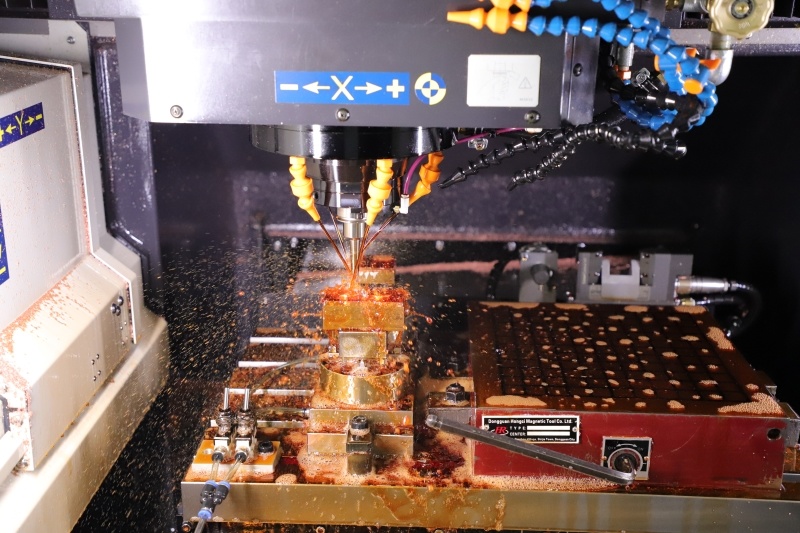
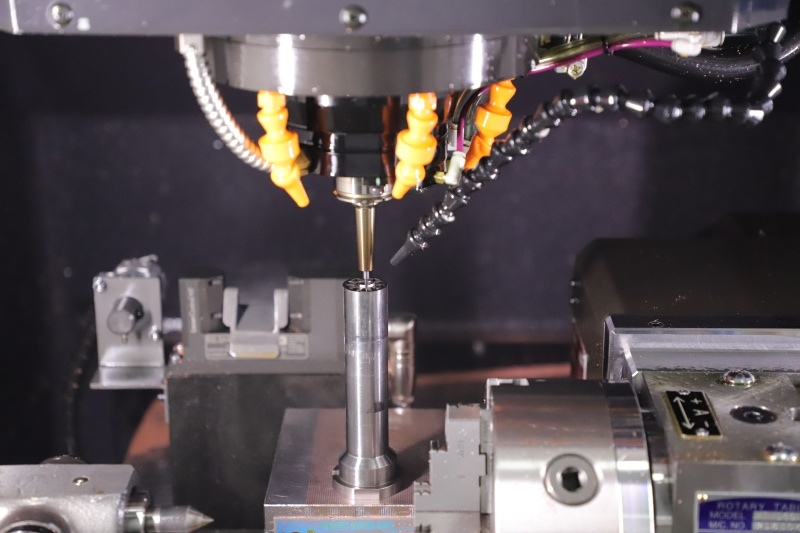
The integration of advanced manufacturing technologies, including CNC machining and 3D printing, is transforming how hard alloy sawtooth tools are produced. These technologies allow for greater precision and customization, further enhancing tool performance and adaptability to specific manufacturing needs.
Best Practices for Utilizing Hard Alloy Sawtooth Tools
Proper Tool Maintenance
To maximize the benefits of hard alloy sawtooth tools, proper maintenance is essential. Regular inspection for wear and tear, along with timely sharpening, can significantly extend tool life. Additionally, ensuring that the tools are used within their recommended parameters is crucial for optimal performance.
Choosing the Right Tool for the Job
Selecting the right hard alloy sawtooth tool based on the specific application is vital. Factors such as material type, machining conditions, and desired outcomes should guide the selection process to ensure the best performance and longevity.
Frequently Asked Questions (FAQs)
1. What are hard alloy sawtooth tools made of?
Hard alloy sawtooth tools are primarily made from high-performance materials such as tungsten carbide, cobalt, and other hard alloys designed to withstand high-stress cutting conditions.
2. How much longer do hard alloy sawtooth tools last compared to traditional tools?
Hard alloy sawtooth tools can last significantly longer—up to 40% more—compared to traditional tools, depending on the specific application and material being machined.
3. Are hard alloy sawtooth tools suitable for all types of materials?
While hard alloy sawtooth tools excel in machining metals, they are also effective for various materials, including plastics and composites, making them versatile for different manufacturing applications.
4. What maintenance is required for hard alloy sawtooth tools?
Regular maintenance includes inspecting the tools for wear, sharpening when necessary, and adhering to the recommended operational guidelines to ensure optimal performance and longevity.
5. Can I use hard alloy sawtooth tools for high-speed machining?
Yes, hard alloy sawtooth tools are designed to operate at high speeds, making them ideal for high-speed machining applications without compromising their integrity.
Conclusion
The integration of hard alloy sawtooth technology represents a significant advancement in the manufacturing industry, offering improved tool life and performance. As manufacturers strive for greater efficiency and precision, these tools will continue to play a crucial role. By understanding the mechanics, advantages, and applications of hard alloy sawtooth tools, manufacturers can make informed decisions that enhance productivity and reduce costs. Embracing this technology not only benefits individual operations but also contributes to the overall evolution of machining processes in various industries.

SAF Coolest v1.3.1.2 设置面板 GAGSD-ZGYF-JVZFE-ASQ
无数据提示
Sorry, the current column is being updated, please look forward to it!
You can view other columns or returnHome Page