
-

About Us
Dongguan Mixiao New Material Technology Co., Ltd. was established in 2013 and is located in Changping Town, Dongguan City, the capital of manufacturing. It has strong independent development, design, and production capabilities, and produces products such as metal and non-metal product molds, automotive and motorcycle molds
-
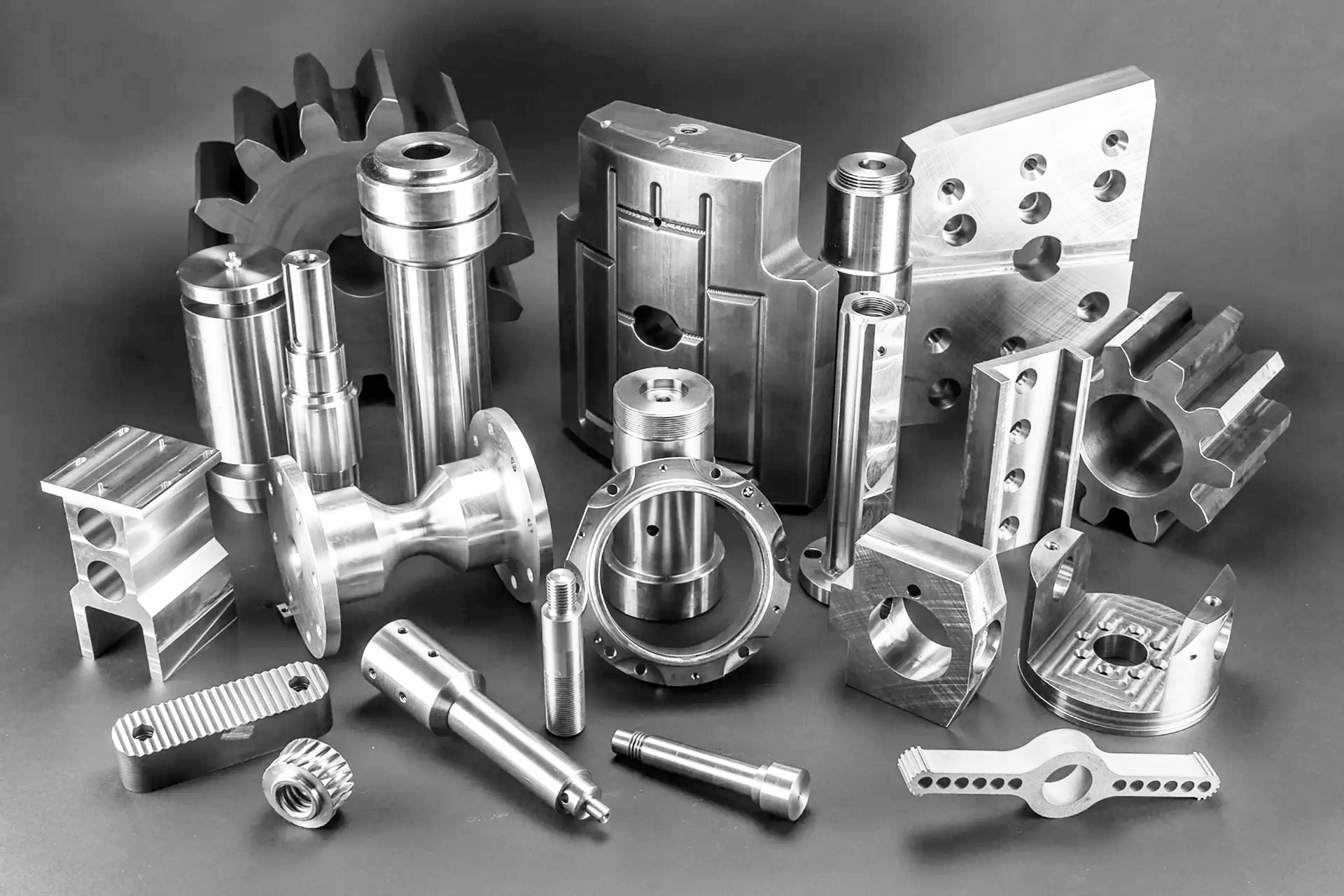
Products
Dongguan Mixiao New Material Technology Co., Ltd. was established in 2013 and is located in Changping Town, Dongguan City, the capital of manufacturing. It has strong independent development, design, and production capabilities, and produces products such as metal and non-metal product molds, automotive and motorcycle molds
-

Service
Dongguan Mixiao New Material Technology Co., Ltd. was established in 2013 and is located in Changping Town, Dongguan City, the capital of manufacturing. It has strong independent development, design, and production capabilities, and produces products such as metal and non-metal product molds, automotive and motorcycle molds
-

Blog
Dongguan Mixiao New Material Technology Co., Ltd. was established in 2013 and is located in Changping Town, Dongguan City, the capital of manufacturing. It has strong independent development, design, and production capabilities, and produces products such as metal and non-metal product molds, automotive and motorcycle molds
-

Contact us
Dongguan Mixiao New Material Technology Co., Ltd. was established in 2013 and is located in Changping Town, Dongguan City, the capital of manufacturing. It has strong independent development, design, and production capabilities, and produces products such as metal and non-metal product molds, automotive and motorcycle molds

The Critical Influence of Nozzle Geometry in Enhancing 3D Printing Performance
Release time:
May 01,2026
The Critical Influence of Nozzle Geometry in Enhancing 3D Printing Performance In the rapidly evolving field of 3D printing, understanding the nuances of nozzle geometry is paramount for achieving optimal results. This article aims to dissect the various aspects of nozzle design and its impact on print quality, speed, and material compatibility. We will explore how different geometrical configurat

The Critical Influence of Nozzle Geometry in Enhancing 3D Printing Performance
In the rapidly evolving field of 3D printing, understanding the nuances of nozzle geometry is paramount for achieving optimal results. This article aims to dissect the various aspects of nozzle design and its impact on print quality, speed, and material compatibility. We will explore how different geometrical configurations can affect the flow of filament, nozzle clogging, and overall print fidelity.
Table of Contents
- Understanding Nozzle Geometry
- The Importance of Nozzle Design in 3D Printing
- Types of Nozzle Geometries
- Impact of Nozzle Geometry on Material Flow
- Nozzle Size and Print Speed: Finding the Balance
- Common Nozzle Issues and Solutions
- Best Practices for Nozzle Selection
- The Future of Nozzle Technology in 3D Printing
- Conclusion
- Frequently Asked Questions
Understanding Nozzle Geometry
Nozzle geometry refers to the shape, size, and design elements of the nozzle that extrudes filament during the 3D printing process. It is not just a simple opening at the end of the printer; instead, its design intricacies play a critical role in determining the printing outcomes. Factors like nozzle diameter, exit angle, and length can significantly affect how the material flows and adheres to the print surface.
The Importance of Nozzle Design in 3D Printing
The design of the nozzle is fundamental to 3D printing success. A well-designed nozzle can enhance layer adhesion, improve surface finish, and decrease the likelihood of printing defects. Conversely, a poorly designed nozzle may lead to increased defects such as under-extrusion, stringing, or even complete print failure. Understanding the importance of nozzle design helps users make informed choices that can dramatically influence their printing results.
Performance Metrics Influenced by Nozzle Design
Key performance metrics affected by nozzle geometry include:
- Print Speed: The flow rate and speed at which filament is extruded depend heavily on nozzle geometry.
- Print Quality: Surface smoothness and detail resolution are directly tied to how well the nozzle performs.
- Material Compatibility: Different materials may require specific nozzle designs to achieve the best results.
Types of Nozzle Geometries
There are several types of nozzle geometries, each tailored for specific applications and materials:
1. Standard Round Nozzles
The most common nozzle type, typically used in consumer FDM printers, features a round shape that facilitates a smooth flow of filament. It generally ranges from 0.2 mm to 1.0 mm in diameter.
2. Wide Nozzles
Wider nozzles (above 1.0 mm) allow for faster printing and are suitable for large objects where fine detail is less critical. However, they may sacrifice print resolution.
3. Specialty Nozzles
Specialty nozzles, including those designed for high-temp materials or abrasive filaments, have unique geometries that cater to specific needs, such as durability or heat resistance.
4. Multi-Material Nozzles
These nozzles can handle multiple filaments simultaneously, allowing for complex prints involving different materials, colors, or properties.
Impact of Nozzle Geometry on Material Flow
Material flow is a crucial aspect of 3D printing that is significantly influenced by nozzle geometry. The cross-sectional area of the nozzle determines how much filament can be extruded at any given time. A nozzle with a smaller diameter will provide finer details but may also lead to under-extrusion if the flow rate is not adjusted accordingly. In contrast, a larger nozzle facilitates a higher flow rate, which can enhance print speed but may compromise detail and surface quality.
Filament Characteristics
Different materials exhibit unique flow characteristics. For example, flexible filaments require different nozzle geometries compared to rigid ones to prevent jamming and ensure smooth extrusion. Understanding these characteristics is essential for selecting the right nozzle for specific materials.
Nozzle Size and Print Speed: Finding the Balance
Choosing the right nozzle size is a delicate balance between print speed and quality. Smaller nozzles allow for higher resolution prints but require longer printing times due to lower flow rates. Conversely, larger nozzles can print faster but may produce less detailed outputs. A strategic approach involves analyzing the print requirements and selecting a nozzle size that best meets those needs.
Resolution vs. Speed
When prioritizing resolution, smaller nozzles (0.2 mm to 0.4 mm) are ideal, especially for intricate designs. However, for larger, less detailed prints, nozzles of 0.6 mm or larger can enhance efficiency. Understanding the trade-offs will help users optimize their print settings for the desired outcome.
Common Nozzle Issues and Solutions
Many users encounter common nozzle-related issues that can hinder their printing experience. Here are some prevalent problems and actionable solutions:
1. Clogging
Clogged nozzles can be a frequent issue, often resulting from dust contamination or incorrect temperature settings. Regular cleaning and maintenance can help prevent this issue.
2. Under-Extrusion
This occurs when not enough filament is extruded, leading to weak or missing layers. It can be resolved by checking the filament feed, adjusting print speed, or changing the nozzle diameter.
3. Over-Extrusion
Over-extrusion leads to excessive material, causing blobs or stringing. Adjusting flow rates, retraction settings, and using the correct nozzle size can mitigate this issue.
Best Practices for Nozzle Selection
Selecting the right nozzle is crucial for successful 3D printing. Here are some best practices to consider:
1. Assess Your Material
Different materials require different nozzle geometries. Always check compatibility with your chosen filament.
2. Consider Your Print's Purpose
Determine whether the focus is on speed, detail, or a blend of both. This decision will guide your nozzle selection.
3. Maintain Regular Cleaning
Routine maintenance and cleaning of the nozzle can significantly improve lifespan and functionality.
The Future of Nozzle Technology in 3D Printing
As 3D printing technology continues to advance, so too does nozzle design. Innovations in materials and geometries are leading to increased efficiency, versatility, and precision. Future nozzles are expected to incorporate smart technologies that adapt to different printing conditions dynamically, enhancing the overall quality and ease of the printing process.
Conclusion
The geometry of a nozzle plays a pivotal role in achieving optimal results in 3D printing. From enhancing material flow to impacting print quality and speed, understanding nozzle design is essential for both novice and experienced users. As technology continues to evolve, staying informed about nozzle advancements will ensure printing success and innovation in future projects.
Frequently Asked Questions
1. What is the ideal nozzle size for detailed prints?
The ideal nozzle size for detailed prints is typically between 0.2 mm and 0.4 mm, as this range allows for higher resolution.
2. How often should I clean my nozzle?
It is advisable to clean your nozzle after every few prints, or more frequently if you notice clogging issues.
3. Can I use a larger nozzle for fine details?
While it's possible, using a larger nozzle may compromise detail. For fine detail, a smaller nozzle is recommended.
4. What are the signs of a clogged nozzle?
Signs of a clogged nozzle include inconsistent extrusion, under-extrusion, or the filament not coming out at all.
5. How does nozzle shape affect print quality?
Nozzle shape can impact the filament flow rate and how material adheres to the print surface, thus affecting overall print quality.

SAF Coolest v1.3.1.2 设置面板 GAGSD-ZGYF-JVZFE-ASQ
无数据提示
Sorry, the current column is being updated, please look forward to it!
You can view other columns or returnHome Page