
-

About Us
Dongguan Mixiao New Material Technology Co., Ltd. was established in 2013 and is located in Changping Town, Dongguan City, the capital of manufacturing. It has strong independent development, design, and production capabilities, and produces products such as metal and non-metal product molds, automotive and motorcycle molds
-
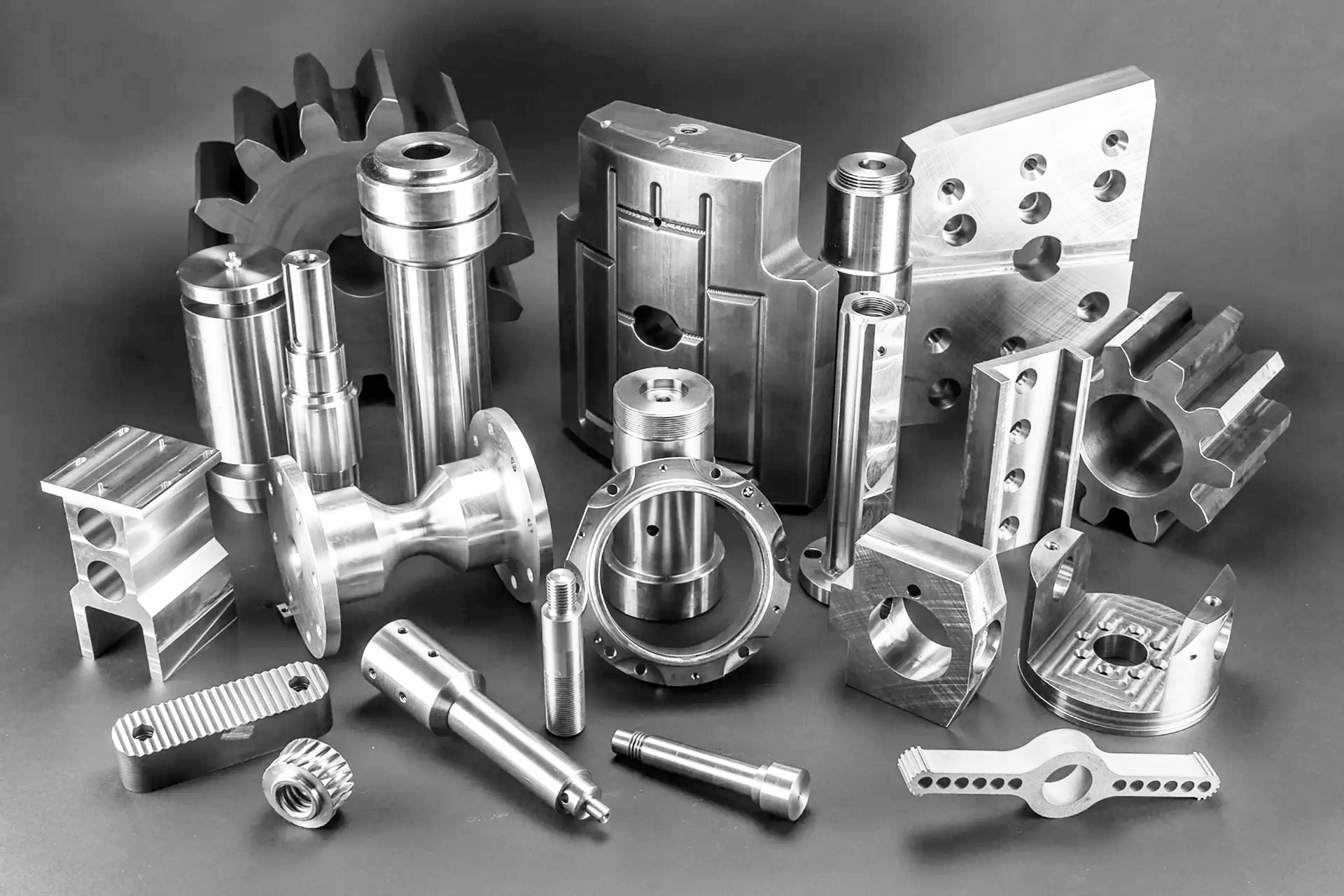
Products
Dongguan Mixiao New Material Technology Co., Ltd. was established in 2013 and is located in Changping Town, Dongguan City, the capital of manufacturing. It has strong independent development, design, and production capabilities, and produces products such as metal and non-metal product molds, automotive and motorcycle molds
-

Service
Dongguan Mixiao New Material Technology Co., Ltd. was established in 2013 and is located in Changping Town, Dongguan City, the capital of manufacturing. It has strong independent development, design, and production capabilities, and produces products such as metal and non-metal product molds, automotive and motorcycle molds
-

Blog
Dongguan Mixiao New Material Technology Co., Ltd. was established in 2013 and is located in Changping Town, Dongguan City, the capital of manufacturing. It has strong independent development, design, and production capabilities, and produces products such as metal and non-metal product molds, automotive and motorcycle molds
-

Contact us
Dongguan Mixiao New Material Technology Co., Ltd. was established in 2013 and is located in Changping Town, Dongguan City, the capital of manufacturing. It has strong independent development, design, and production capabilities, and produces products such as metal and non-metal product molds, automotive and motorcycle molds

Understanding Diamond Segments in Manufacturing and Machining Processes
Release time:
Apr 29,2026
In the world of manufacturing and machining, particularly in mold making, die casting, and forging, diamond segments have emerged as a vital component that enhances efficiency and precision. These specialized tools, which incorporate industrial diamonds, are designed to cut, grind, or shape a variety of materials with high efficiency and durability. Diamond segments are primarily used in cutting t

Diamond segments are primarily used in cutting tools for materials such as concrete, ceramics, and metals, which are notoriously difficult to process using standard tools. The incorporation of diamonds allows these segments to maintain their cutting edges longer than traditional materials, which translates to increased productivity and reduced downtime in manufacturing processes.
One of the significant advantages of diamond segments is their exceptional hardness. Diamonds are the hardest known natural material, which means that they can easily slice through the toughest substrates, making them ideal for high-performance applications in molds and dies. This feature is particularly beneficial in die casting and forging, where precision is crucial, and the materials used are often demanding.
Moreover, diamond segments offer various configurations and designs tailored to specific applications. For instance, they can be molded into circular saw blades, grinding wheels, or other shapes to suit particular cutting and shaping needs. This versatility means that manufacturers can select the appropriate segment for their specific requirements, ensuring optimal performance in their operations.
In addition to their efficacy in processing materials, diamond segments also contribute to improved surface finishes. These segments can produce smoother cuts and finishes, which is critical in applications where aesthetics and precision are paramount. For industries that require high-quality surface finishes in their molds and forged products, utilizing diamond segments can significantly enhance the overall quality and appearance of the final products.
Another noteworthy aspect is the cost-effectiveness of using diamond segments over time. Although the initial investment may be higher compared to traditional cutting tools, the longevity and efficiency of diamond segments can lead to lower operational costs in the long run. Fewer tool changes, reduced material waste, and faster processing times all contribute to a more efficient manufacturing process.
In summary, diamond segments are an indispensable tool in the manufacturing and machining sectors, particularly for mold making, die casting, and forging applications. Their durability, efficiency, and versatility make them a preferred choice for professionals looking to enhance their production processes. By integrating diamond segments into their operations, manufacturers can achieve superior results, increased productivity, and ultimately, a better return on investment. Understanding the capabilities and advantages of diamond segments can truly transform the landscape of manufacturing and machining.

SAF Coolest v1.3.1.2 设置面板 GAGSD-ZGYF-JVZFE-ASQ
无数据提示
Sorry, the current column is being updated, please look forward to it!
You can view other columns or returnHome Page