
-

About Us
Dongguan Mixiao New Material Technology Co., Ltd. was established in 2013 and is located in Changping Town, Dongguan City, the capital of manufacturing. It has strong independent development, design, and production capabilities, and produces products such as metal and non-metal product molds, automotive and motorcycle molds
-
Products
Dongguan Mixiao New Material Technology Co., Ltd. was established in 2013 and is located in Changping Town, Dongguan City, the capital of manufacturing. It has strong independent development, design, and production capabilities, and produces products such as metal and non-metal product molds, automotive and motorcycle molds
-

Service
Dongguan Mixiao New Material Technology Co., Ltd. was established in 2013 and is located in Changping Town, Dongguan City, the capital of manufacturing. It has strong independent development, design, and production capabilities, and produces products such as metal and non-metal product molds, automotive and motorcycle molds
-

Blog
Dongguan Mixiao New Material Technology Co., Ltd. was established in 2013 and is located in Changping Town, Dongguan City, the capital of manufacturing. It has strong independent development, design, and production capabilities, and produces products such as metal and non-metal product molds, automotive and motorcycle molds
-

Contact us
Dongguan Mixiao New Material Technology Co., Ltd. was established in 2013 and is located in Changping Town, Dongguan City, the capital of manufacturing. It has strong independent development, design, and production capabilities, and produces products such as metal and non-metal product molds, automotive and motorcycle molds

Essential Considerations for Manufacturing a Rotating Shaft for Beauty Devices
Release time:
Apr 25,2026
In the beauty device industry, the rotating shaft serves as a pivotal component, facilitating movement and function in various tools ranging from electric toothbrushes to facial cleansing devices. As a professional in the manufacturing and machining sectors, particularly in molds, die-casting, and forging, comprehending the nuances of producing high-quality rotating shafts can elevate your creatio

### Design Considerations
The design of a rotating shaft for beauty devices must prioritize both functionality and aesthetic appeal. Engineers should focus on material selection, often opting for high-strength alloys or engineered plastics that can withstand repeated motion and exposure to moisture or chemicals. Additionally, the shaft must be designed with precise tolerances to ensure smooth operation and reduce wear over time.
### Precision Machining Techniques
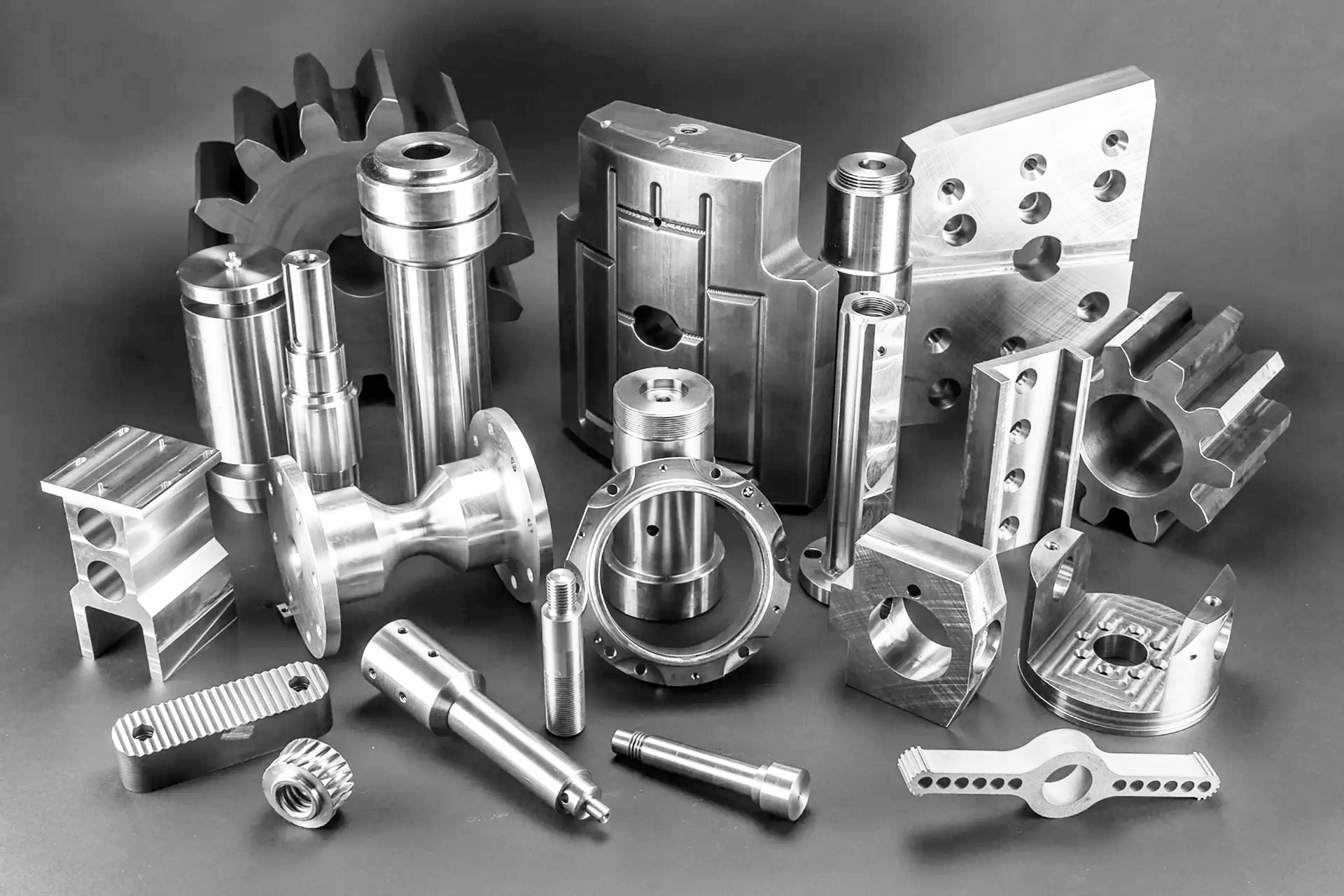
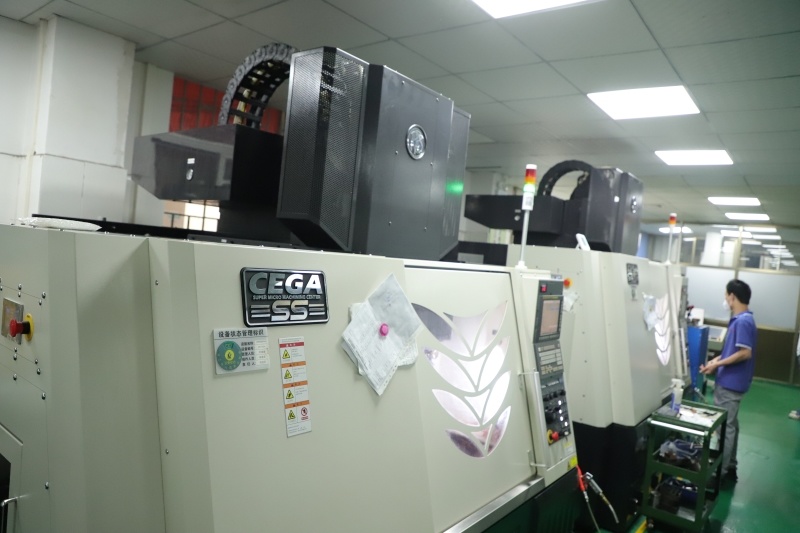
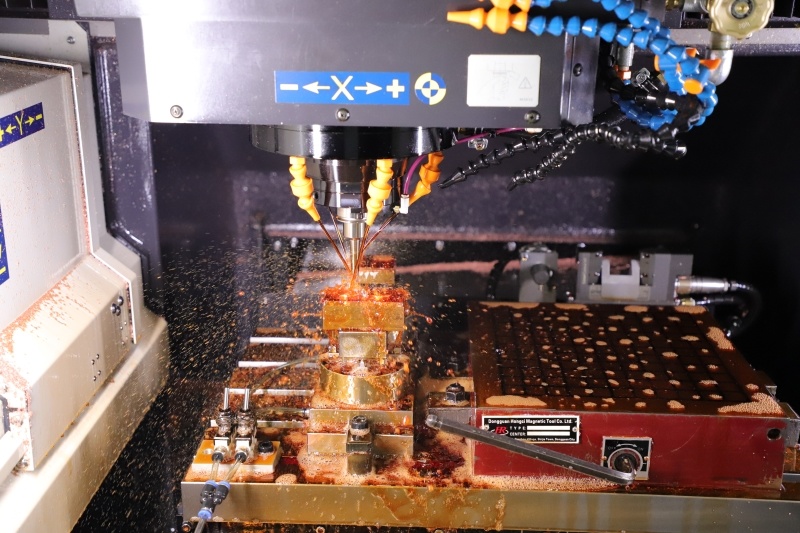
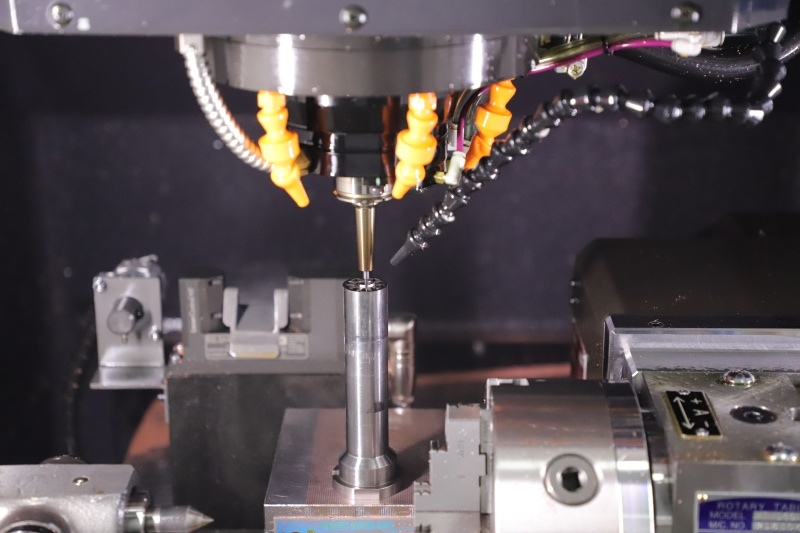
Precision machining is essential for creating rotating shafts. Techniques such as CNC milling and turning can achieve the exact specifications required for high-performance beauty devices. Implementing advanced machining technologies can improve dimensions and surface finishes, contributing to the overall quality of the product. Moreover, integrating automated processes can enhance efficiency while maintaining consistency in production.
### Surface Treatments
Applying appropriate surface treatments is vital for the durability and performance of rotating shafts. Processes such as hardening, anodizing, or coating can enhance wear resistance and reduce friction, prolonging the lifespan of the component. These treatments also contribute to the aesthetic appeal of the beauty device, aligning with consumer expectations for both functionality and design.
### Testing and Quality Control
Incorporating rigorous testing protocols is crucial for ensuring that the rotating shaft meets industry standards and user safety requirements. Quality control measures should include vibration tests, load tests, and longevity assessments to identify potential failures before the product reaches the market. Consider investing in specialized testing equipment that can simulate real-world conditions, ensuring that the rotating shaft performs reliably throughout its lifespan.
### Market Trends and Adaptation
Staying informed about emerging trends in the beauty industry will allow you to tailor your rotating shaft designs to meet evolving consumer preferences. For instance, the demand for quieter and more efficient devices has increased, urging manufacturers to innovate continuously. Engage with market research to identify opportunities for improvement and differentiation.
### Conclusion
In conclusion, manufacturing a rotating shaft for beauty devices requires a blend of cutting-edge design, precision machining, and stringent quality control. By focusing on these aspects, professionals in the manufacturing sector can create superior products that not only fulfill market needs but also enhance user experiences. Emphasizing continuous improvement and adaptation will ensure sustained success in this competitive industry.

SAF Coolest v1.3.1.2 设置面板 GAGSD-ZGYF-JVZFE-ASQ
无数据提示
Sorry, the current column is being updated, please look forward to it!
You can view other columns or returnHome Page