
-

About Us
Dongguan Mixiao New Material Technology Co., Ltd. was established in 2013 and is located in Changping Town, Dongguan City, the capital of manufacturing. It has strong independent development, design, and production capabilities, and produces products such as metal and non-metal product molds, automotive and motorcycle molds
-
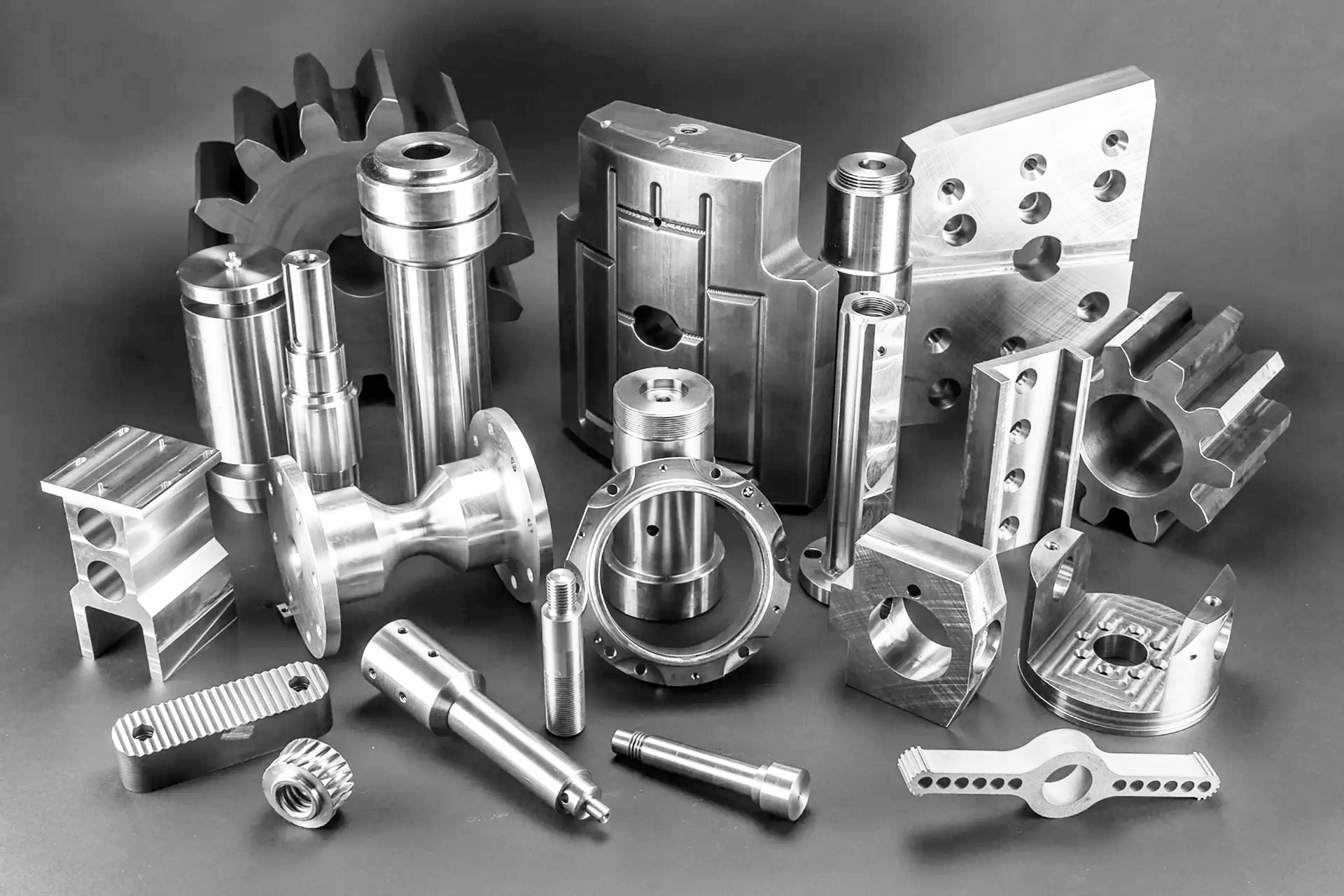
Products
Dongguan Mixiao New Material Technology Co., Ltd. was established in 2013 and is located in Changping Town, Dongguan City, the capital of manufacturing. It has strong independent development, design, and production capabilities, and produces products such as metal and non-metal product molds, automotive and motorcycle molds
-

Service
Dongguan Mixiao New Material Technology Co., Ltd. was established in 2013 and is located in Changping Town, Dongguan City, the capital of manufacturing. It has strong independent development, design, and production capabilities, and produces products such as metal and non-metal product molds, automotive and motorcycle molds
-

Blog
Dongguan Mixiao New Material Technology Co., Ltd. was established in 2013 and is located in Changping Town, Dongguan City, the capital of manufacturing. It has strong independent development, design, and production capabilities, and produces products such as metal and non-metal product molds, automotive and motorcycle molds
-

Contact us
Dongguan Mixiao New Material Technology Co., Ltd. was established in 2013 and is located in Changping Town, Dongguan City, the capital of manufacturing. It has strong independent development, design, and production capabilities, and produces products such as metal and non-metal product molds, automotive and motorcycle molds

The Essential Guide to Engraving Knives in Manufacturing and Tooling
Release time:
Apr 21,2026
Engraving knives are a vital tool in the manufacturing and tooling industry, particularly in processes involving die, mold, and casting. These specialized knives are designed not only for precision but also for versatility, allowing professionals to achieve intricate designs and detailed engravings on various materials, including metals, plastics, and wood. In the context of manufacturing, engravi

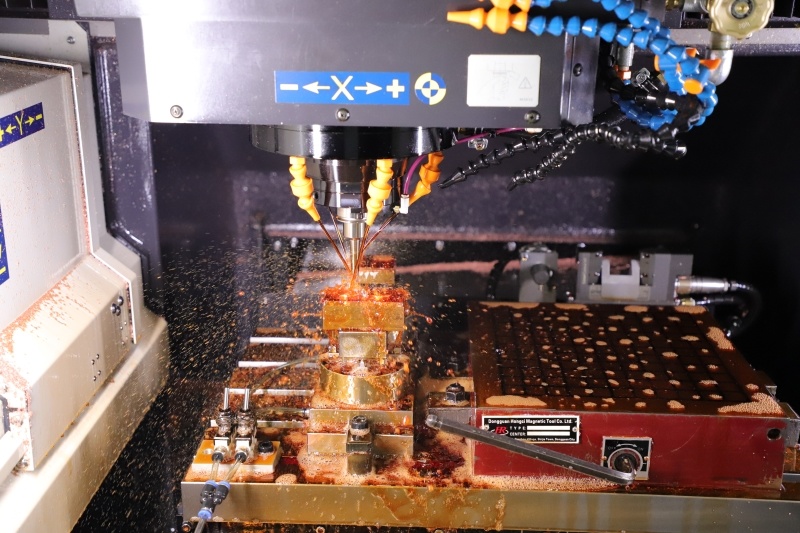
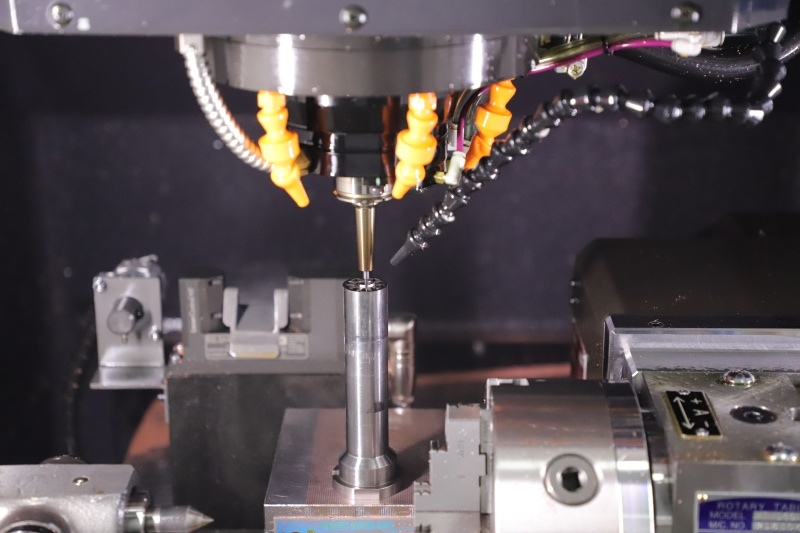
In the context of manufacturing, engraving knives serve multiple purposes. They can be used for marking, cutting, and shaping materials. Their precision makes them indispensable in creating molds and dies where exact measurements and detailed designs are crucial for the functionality of the final product. This level of detail is especially important in industries such as automotive, aerospace, and electronics, where component accuracy directly affects performance and safety.
When selecting an engraving knife, there are several factors to consider. The blade material is one of the most critical elements, as it determines the knife's durability and effectiveness. High-speed steel (HSS) and carbide are common materials used for engraving knives due to their hardness and resistance to wear. HSS is versatile, while carbide offers superior edge retention, making it ideal for high-volume engraving tasks.
Another important aspect is the knife's design and size. Engraving knives come in various shapes, such as flat, angled, or rounded tips, each suited for different types of engraving tasks. A flat blade, for instance, is excellent for straight cuts, while a rounded tip can create delicate curves and detailed patterns. Choosing the right design based on the specific application can significantly enhance efficiency and output quality.
Maintenance of engraving knives is essential for longevity and consistent performance. Regular cleaning after use helps prevent material buildup that can dull the blade. Additionally, honing the blade regularly can help maintain sharpness and precision. Proper storage, such as using protective sheaths or cases, can also prolong the life of these tools by preventing accidental damage.
In conclusion, engraving knives are an indispensable component in the manufacturing and tooling industry, particularly in die, mold, and casting applications. Their precision and versatility make them essential for achieving detailed designs that meet the high standards of modern engineering. By understanding the various factors involved in selecting and maintaining engraving knives, professionals can ensure they are equipped with the right tools to excel in their work and produce high-quality results.

SAF Coolest v1.3.1.2 设置面板 GAGSD-ZGYF-JVZFE-ASQ
无数据提示
Sorry, the current column is being updated, please look forward to it!
You can view other columns or returnHome Page