
-

About Us
Dongguan Mixiao New Material Technology Co., Ltd. was established in 2013 and is located in Changping Town, Dongguan City, the capital of manufacturing. It has strong independent development, design, and production capabilities, and produces products such as metal and non-metal product molds, automotive and motorcycle molds
-
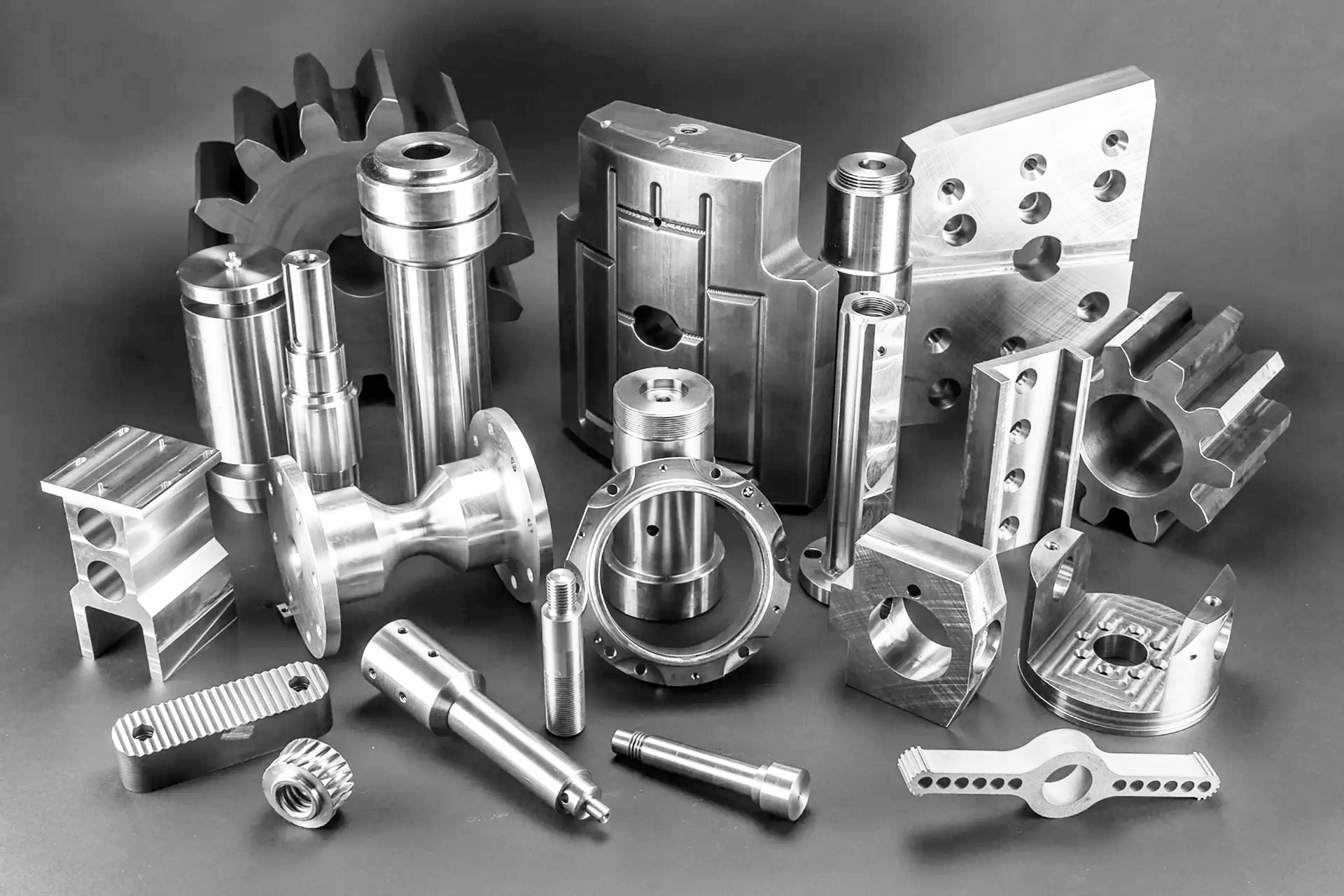
Products
Dongguan Mixiao New Material Technology Co., Ltd. was established in 2013 and is located in Changping Town, Dongguan City, the capital of manufacturing. It has strong independent development, design, and production capabilities, and produces products such as metal and non-metal product molds, automotive and motorcycle molds
-

Service
Dongguan Mixiao New Material Technology Co., Ltd. was established in 2013 and is located in Changping Town, Dongguan City, the capital of manufacturing. It has strong independent development, design, and production capabilities, and produces products such as metal and non-metal product molds, automotive and motorcycle molds
-

Blog
Dongguan Mixiao New Material Technology Co., Ltd. was established in 2013 and is located in Changping Town, Dongguan City, the capital of manufacturing. It has strong independent development, design, and production capabilities, and produces products such as metal and non-metal product molds, automotive and motorcycle molds
-

Contact us
Dongguan Mixiao New Material Technology Co., Ltd. was established in 2013 and is located in Changping Town, Dongguan City, the capital of manufacturing. It has strong independent development, design, and production capabilities, and produces products such as metal and non-metal product molds, automotive and motorcycle molds

The Future of Manufacturing: Unleashing Innovations in Hard Alloy Sawtooth Technology
Release time:
Apr 19,2026
The Future of Manufacturing: Advances in Hard Alloy Sawtooth Technology Table of Contents 1. Introduction to Hard Alloy Sawtooth Technology 2. Importance of Advanced Manufacturing Techniques 3. Understanding Hard Alloy Materials 4. Recent Advancements in Hard Alloy Sawtooth Technology 5. Applications of Hard Alloy Sawtooth Technology in Manufacturing 6. Benefits of Incorporating Hard Alloy Sawtoo

The Future of Manufacturing: Advances in Hard Alloy Sawtooth Technology
Table of Contents
- 1. Introduction to Hard Alloy Sawtooth Technology
- 2. Importance of Advanced Manufacturing Techniques
- 3. Understanding Hard Alloy Materials
- 4. Recent Advancements in Hard Alloy Sawtooth Technology
- 5. Applications of Hard Alloy Sawtooth Technology in Manufacturing
- 6. Benefits of Incorporating Hard Alloy Sawtooth in Manufacturing
- 7. The Future: Trends in Hard Alloy Sawtooth Technology
- 8. Challenges and Considerations in Implementation
- 9. Conclusion
- 10. Frequently Asked Questions
1. Introduction to Hard Alloy Sawtooth Technology
In today’s rapidly evolving manufacturing landscape, the integration of innovative technologies plays a crucial role in enhancing productivity and efficiency. Among these innovations, **hard alloy sawtooth technology** stands out as a game-changer. This technology employs specialized sawtooth designs made from high-performance alloy materials, which significantly improve cutting processes in various manufacturing applications. By understanding the intricacies of this technology, manufacturers can optimize their operations and achieve superior results.
2. Importance of Advanced Manufacturing Techniques
The push for advanced manufacturing techniques has never been more critical. As industries face increasing demands for precision and quality, manufacturers must adopt technologies that not only meet but exceed these expectations. Advanced manufacturing techniques, particularly those leveraging hard alloy materials, allow for:
- **Enhanced Precision**: Tools and equipment utilizing hard alloy sawtooth technology provide precise cuts, reducing waste and improving overall product quality.
- **Increased Durability**: Hard alloys exhibit superior wear resistance, ensuring tools last longer and require less frequent replacements.
- **Higher Efficiency**: Faster processing times result in increased output, driving profitability and responsiveness to market demands.
Investing in hard alloy sawtooth technology is not just an option; it’s becoming a necessity for manufacturers aiming to stay competitive.
3. Understanding Hard Alloy Materials
Before delving into the advancements in hard alloy sawtooth technology, it is essential to understand what hard alloys are. **Hard alloys**, often referred to as **super alloys**, are materials designed to withstand extreme conditions such as high temperatures, corrosion, and wear. These materials are typically composed of nickel, cobalt, titanium, or other metals that enhance their mechanical properties.
The key characteristics of hard alloys include:
- **High Hardness**: This property allows for better cutting capabilities, making them ideal for manufacturing tools.
- **Heat Resistance**: Hard alloys maintain their strength and performance even under high-temperature conditions.
- **Corrosion Resistance**: The ability to resist chemical degradation extends the lifespan of tools and components.
Understanding these properties is crucial for manufacturers looking to leverage hard alloy sawtooth technology in their operations.
4. Recent Advancements in Hard Alloy Sawtooth Technology
Recent years have witnessed significant advancements in hard alloy sawtooth technology, driven by the need for more efficient manufacturing processes. These advancements include:
4.1 Innovative Manufacturing Processes
The development of new manufacturing techniques, such as **additive manufacturing** and **CNC machining**, has enabled the production of complex sawtooth geometries that were previously unattainable. These processes allow manufacturers to create customized solutions tailored to specific applications.
4.2 Enhanced Coating Technologies
The introduction of advanced coating technologies, such as **PVD (Physical Vapor Deposition)** and **CVD (Chemical Vapor Deposition)**, has improved the performance of hard alloy sawtooth blades. These coatings provide additional protection against wear and corrosion, significantly extending tool life.
4.3 Smart Manufacturing Integration
The integration of **IoT (Internet of Things)** and **AI (Artificial Intelligence)** in manufacturing processes is revolutionizing the way hard alloy sawtooth technology is utilized. Smart sensors can monitor tool performance and predict maintenance needs, optimizing operational efficiency.
5. Applications of Hard Alloy Sawtooth Technology in Manufacturing
The versatility of hard alloy sawtooth technology allows for its application across various sectors, including:
5.1 Aerospace Manufacturing
In the aerospace industry, precision is paramount. Hard alloy sawtooth technology is utilized in cutting and shaping composite materials and metals, ensuring components meet stringent safety and performance standards.
5.2 Automotive Industry
In automotive manufacturing, hard alloy tools are employed in machining engine components and intricate parts. Their durability and precision enhance production efficiency and product reliability.
5.3 Metalworking
The metalworking sector benefits significantly from hard alloy sawtooth technology, as it allows for efficient cutting, shaping, and finishing of metals, reducing production time and costs.
6. Benefits of Incorporating Hard Alloy Sawtooth in Manufacturing
Incorporating hard alloy sawtooth technology into manufacturing processes yields several advantages:
- **Cost Efficiency**: The durability of hard alloy tools translates to lower tool replacement costs and reduced downtime, leading to overall cost savings.
- **Quality Improvement**: Enhanced precision in cutting leads to better product quality, reducing the need for rework or scrap.
- **Sustainability**: Longer-lasting tools contribute to sustainability efforts by minimizing waste and the need for resource-intensive replacements.
Manufacturers who embrace these benefits can gain a considerable competitive edge in the market.
7. The Future: Trends in Hard Alloy Sawtooth Technology
Looking ahead, several trends are poised to shape the future of hard alloy sawtooth technology:
7.1 Increased Customization
As manufacturers seek tailored solutions for specific applications, the demand for customized hard alloy sawtooth designs is expected to rise. Advanced manufacturing techniques will facilitate this trend.
7.2 Greater Focus on Sustainability
With growing environmental concerns, manufacturers will increasingly prioritize sustainable practices. Hard alloy technology's longevity and efficiency will be instrumental in reducing waste and energy consumption.
7.3 Adoption of AI and Automation
The continued integration of AI and automation in manufacturing processes will enhance the performance of hard alloy sawtooth technology. Predictive maintenance and data analytics will optimize tool utilization and reduce operational costs.
8. Challenges and Considerations in Implementation
Despite the advantages, several challenges exist regarding the implementation of hard alloy sawtooth technology:
- **Initial Investment Costs**: The upfront costs associated with acquiring advanced materials and manufacturing technologies can be a barrier for some manufacturers.
- **Skill Gaps**: The transition to using advanced technologies requires skilled labor. Manufacturers must invest in training and development to ensure their workforce can effectively utilize these tools.
Addressing these challenges is crucial for manufacturers looking to harness the full potential of hard alloy sawtooth technology.
9. Conclusion
In conclusion, the advancements in hard alloy sawtooth technology mark a significant milestone in the manufacturing industry. As manufacturers embrace these innovative solutions, they will enhance their operational efficiency, product quality, and sustainability efforts. By staying informed about the latest trends and investing in the right technologies, companies can position themselves for success in a competitive market. The future of manufacturing is bright, and hard alloy sawtooth technology will undoubtedly play a pivotal role in shaping it.
10. Frequently Asked Questions
1. What is hard alloy sawtooth technology?
Hard alloy sawtooth technology involves the use of specialized sawtooth designs made from high-performance alloy materials to enhance cutting processes in manufacturing.
2. What are the benefits of using hard alloy materials?
Hard alloy materials offer increased durability, higher precision in cutting, and enhanced heat and corrosion resistance compared to traditional materials.
3. In which industries is hard alloy sawtooth technology commonly used?
This technology is widely used in aerospace, automotive, and metalworking industries, where precision and durability are essential.
4. How does customization impact hard alloy sawtooth technology?
Customization allows manufacturers to create tailored solutions that meet specific application needs, enhancing efficiency and performance.
5. What challenges do manufacturers face when implementing hard alloy sawtooth technology?
Manufacturers may encounter initial investment costs and skill gaps within their workforce when transitioning to advanced manufacturing technologies.
By focusing on these advancements and adapting to the changing landscape, manufacturers can ensure they remain at the forefront of industry innovation.

SAF Coolest v1.3.1.2 设置面板 GAGSD-ZGYF-JVZFE-ASQ
无数据提示
Sorry, the current column is being updated, please look forward to it!
You can view other columns or returnHome Page