
-

About Us
Dongguan Mixiao New Material Technology Co., Ltd. was established in 2013 and is located in Changping Town, Dongguan City, the capital of manufacturing. It has strong independent development, design, and production capabilities, and produces products such as metal and non-metal product molds, automotive and motorcycle molds
-
Products
Dongguan Mixiao New Material Technology Co., Ltd. was established in 2013 and is located in Changping Town, Dongguan City, the capital of manufacturing. It has strong independent development, design, and production capabilities, and produces products such as metal and non-metal product molds, automotive and motorcycle molds
-

Service
Dongguan Mixiao New Material Technology Co., Ltd. was established in 2013 and is located in Changping Town, Dongguan City, the capital of manufacturing. It has strong independent development, design, and production capabilities, and produces products such as metal and non-metal product molds, automotive and motorcycle molds
-

Blog
Dongguan Mixiao New Material Technology Co., Ltd. was established in 2013 and is located in Changping Town, Dongguan City, the capital of manufacturing. It has strong independent development, design, and production capabilities, and produces products such as metal and non-metal product molds, automotive and motorcycle molds
-

Contact us
Dongguan Mixiao New Material Technology Co., Ltd. was established in 2013 and is located in Changping Town, Dongguan City, the capital of manufacturing. It has strong independent development, design, and production capabilities, and produces products such as metal and non-metal product molds, automotive and motorcycle molds

Optimizing Rotating Shafts for Beauty Device Manufacturing: Key Insights for Mechanical Engineering
Release time:
Apr 09,2026
In the rapidly evolving beauty device market, the significance of the rotating shaft cannot be overstated. A rotating shaft serves as the core component that facilitates the movement and function of various beauty devices, from hairdryers to facial cleansing brushes. Understanding its design and manufacturing process is crucial for mechanical engineers and manufacturers aiming to optimize performa

**Design Considerations**
The design of a rotating shaft must account for several factors, including weight, strength, and torque requirements. Engineers typically utilize computer-aided design (CAD) software to create precision models that meet specific dimensional tolerances. Attention to the shaft's diameter and length is vital; an appropriately sized shaft ensures that it can withstand operational stresses while maintaining the device's overall functionality. Moreover, the design should consider the shaft's connection points, ensuring seamless integration with other components.
**Material Selection**
The choice of materials for rotating shafts is paramount. Typically, manufacturers opt for high-strength steel, aluminum, or advanced composites, depending on the application's demands. Each material offers distinct advantages; for instance, steel provides excellent strength and durability, while aluminum offers a lighter alternative with good corrosion resistance. In recent years, the use of composite materials has gained traction due to their superior strength-to-weight ratios, making them ideal for high-performance beauty devices.
**Manufacturing Techniques**
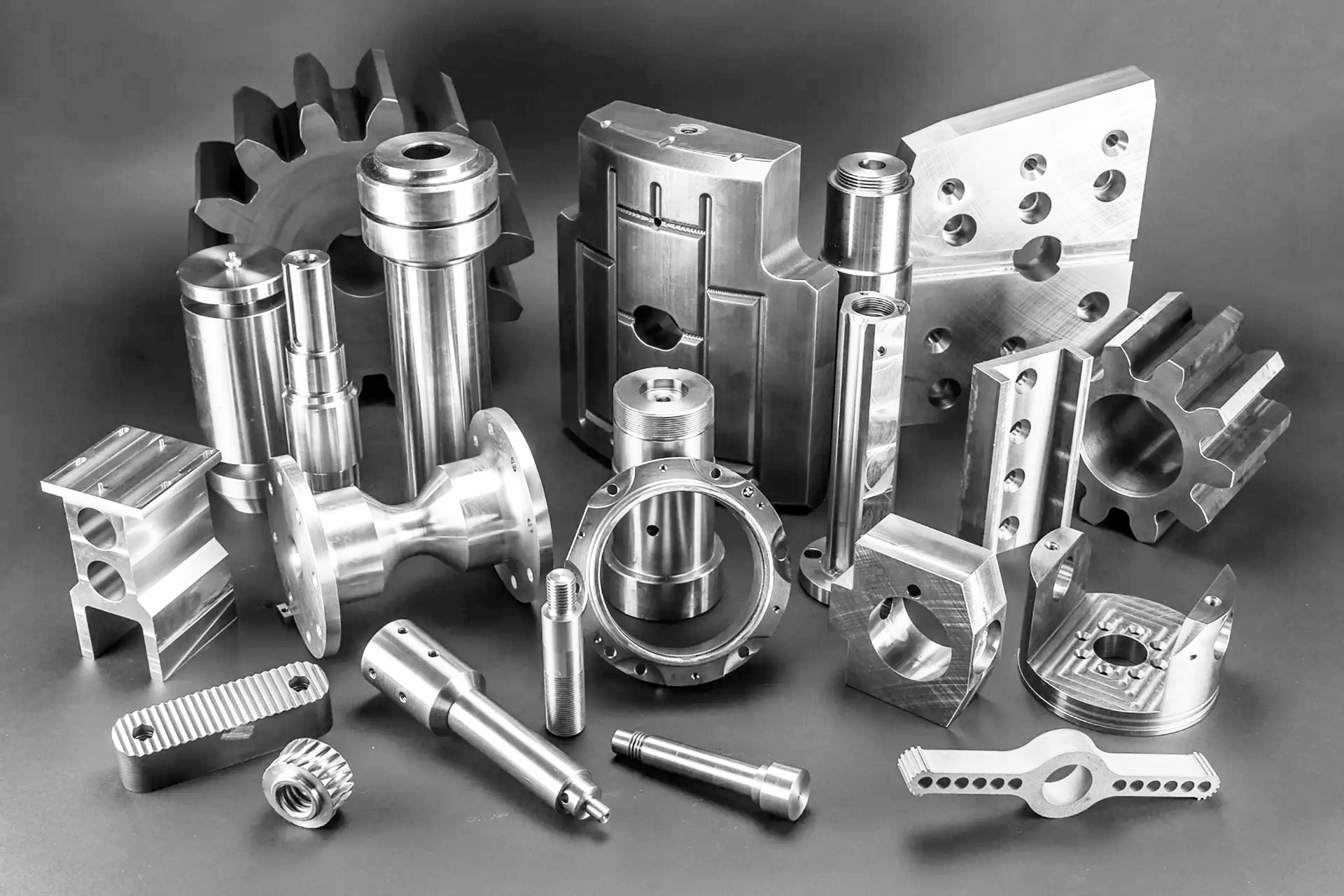
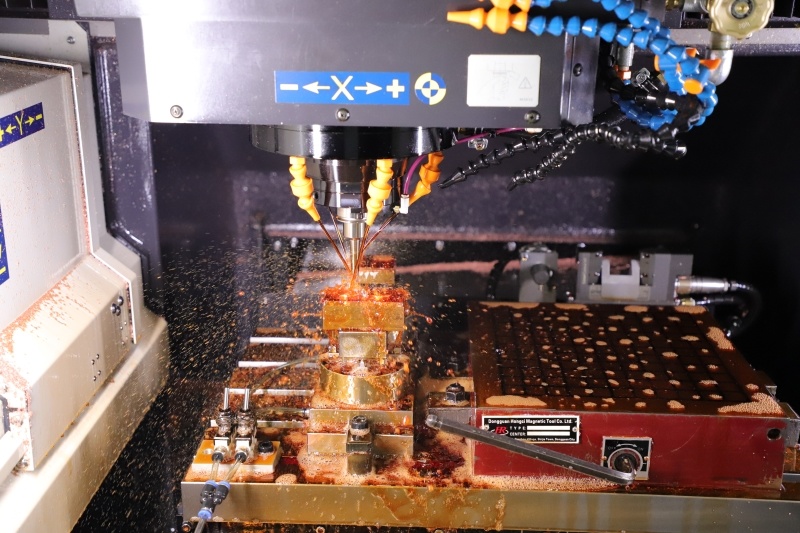
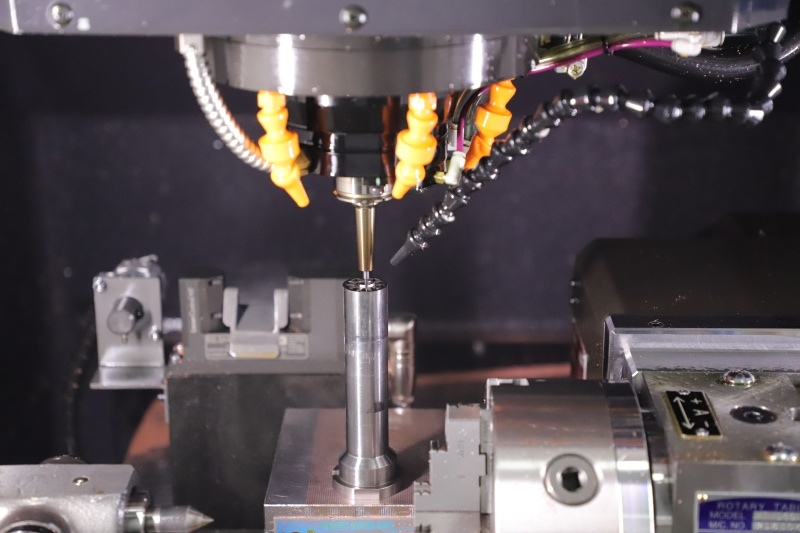
Manufacturing rotating shafts involves several processes, including machining, forging, and heat treatment. Precision machining ensures that each shaft is manufactured to exact specifications, reducing the likelihood of mechanical failures. Additionally, processes like hardening can enhance the surface properties of the shaft, increasing its wear resistance. Implementing advanced manufacturing techniques, such as CNC machining, allows for higher precision and repeatability in production.
**Quality Control Measures**
To ensure reliability, rigorous quality control measures must be in place throughout the manufacturing process. This includes dimensional inspections, material testing, and performance trials. By employing methods like ultrasonic testing and X-ray inspection, manufacturers can identify any internal defects or inconsistencies that may compromise the shaft's performance. Establishing a robust quality assurance program ensures that only the highest-quality rotating shafts are integrated into beauty devices.
**Conclusion**
In conclusion, optimizing rotating shafts for beauty devices involves a comprehensive understanding of design principles, material science, manufacturing techniques, and quality control. By focusing on these areas, manufacturers can produce high-performing, reliable beauty devices that meet consumer demands and stand out in a competitive market. As the beauty industry continues to innovate, the importance of a well-engineered rotating shaft will remain a critical factor in achieving success.

SAF Coolest v1.3.1.2 设置面板 GAGSD-ZGYF-JVZFE-ASQ
无数据提示
Sorry, the current column is being updated, please look forward to it!
You can view other columns or returnHome Page