
-

About Us
Dongguan Mixiao New Material Technology Co., Ltd. was established in 2013 and is located in Changping Town, Dongguan City, the capital of manufacturing. It has strong independent development, design, and production capabilities, and produces products such as metal and non-metal product molds, automotive and motorcycle molds
-
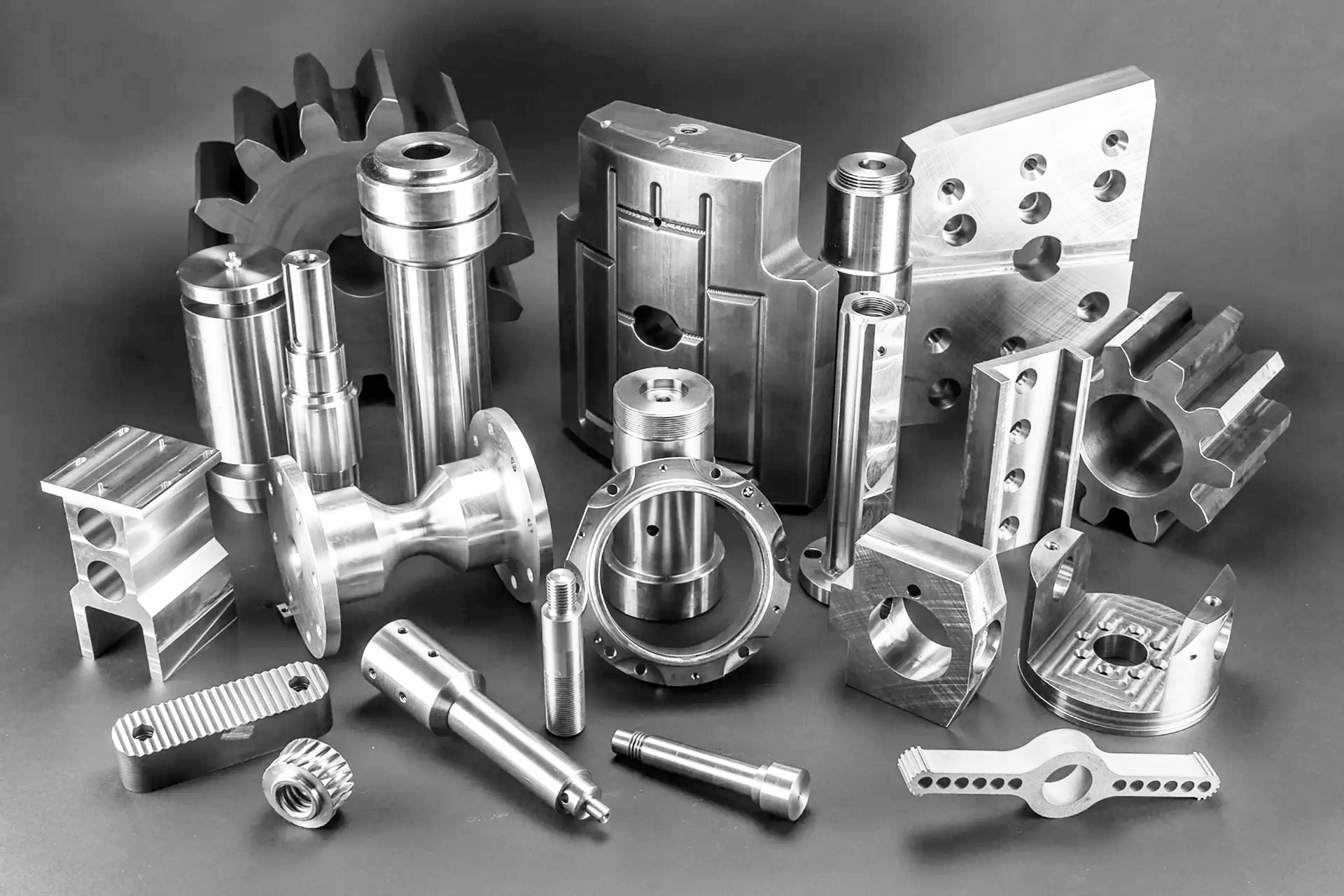
Products
Dongguan Mixiao New Material Technology Co., Ltd. was established in 2013 and is located in Changping Town, Dongguan City, the capital of manufacturing. It has strong independent development, design, and production capabilities, and produces products such as metal and non-metal product molds, automotive and motorcycle molds
-

Service
Dongguan Mixiao New Material Technology Co., Ltd. was established in 2013 and is located in Changping Town, Dongguan City, the capital of manufacturing. It has strong independent development, design, and production capabilities, and produces products such as metal and non-metal product molds, automotive and motorcycle molds
-

Blog
Dongguan Mixiao New Material Technology Co., Ltd. was established in 2013 and is located in Changping Town, Dongguan City, the capital of manufacturing. It has strong independent development, design, and production capabilities, and produces products such as metal and non-metal product molds, automotive and motorcycle molds
-

Contact us
Dongguan Mixiao New Material Technology Co., Ltd. was established in 2013 and is located in Changping Town, Dongguan City, the capital of manufacturing. It has strong independent development, design, and production capabilities, and produces products such as metal and non-metal product molds, automotive and motorcycle molds

The Essential Guide to Engraving Knives in Manufacturing and Tooling
Release time:
Apr 05,2026
Engraving knives are specialized tools that play a crucial role in various manufacturing processes, particularly in the sectors of mold-making, die-casting, and forging. These knives are designed to create intricate designs, patterns, or markings on materials, which is essential in producing high-quality molds and dies. Understanding the functionality and applications of engraving knives can signi

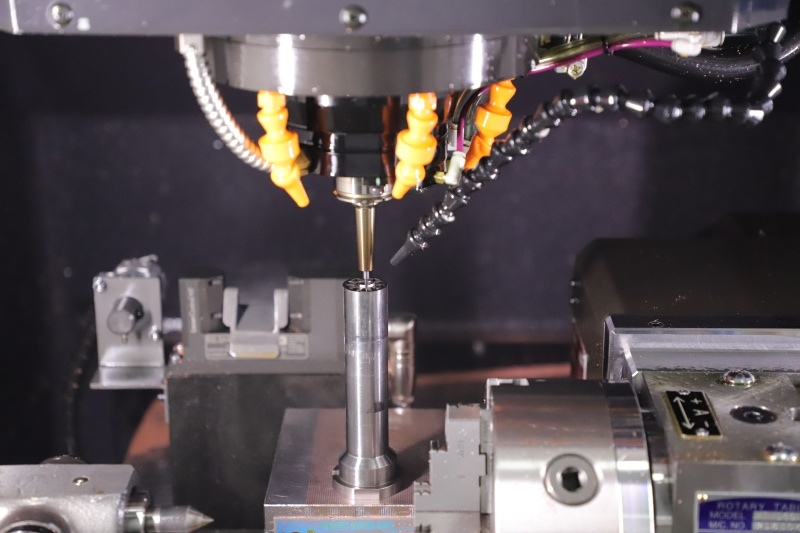
One of the primary uses of engraving knives is to achieve precision carving on different materials, including metals, plastics, and wood. In the manufacturing process, the need for detailed markings or designs on molds is pivotal. This is where engraving knives come into play, allowing manufacturers to create the specific shapes and textures needed for effective tooling. The ability to engrave precise details not only improves the aesthetic quality of the final product but also aids in the functionality of the mold by ensuring proper fit and alignment during the injection or forging process.
There are various types of engraving knives available, each suited for different tasks. For instance, some knives are designed for fine detailing, while others are better for broader cuts. The choice of knife depends on the material being worked on and the specific requirements of the project. It is essential to select the right engraving knife to ensure optimal performance and reduce wear on the tool.
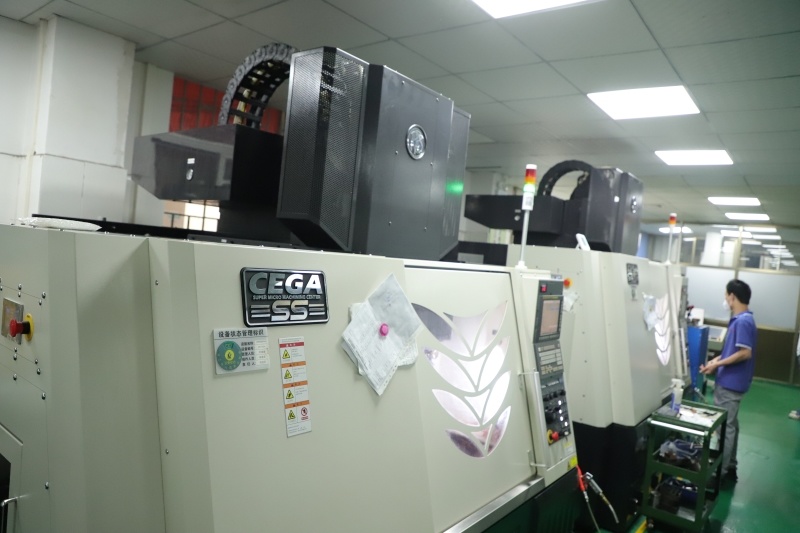
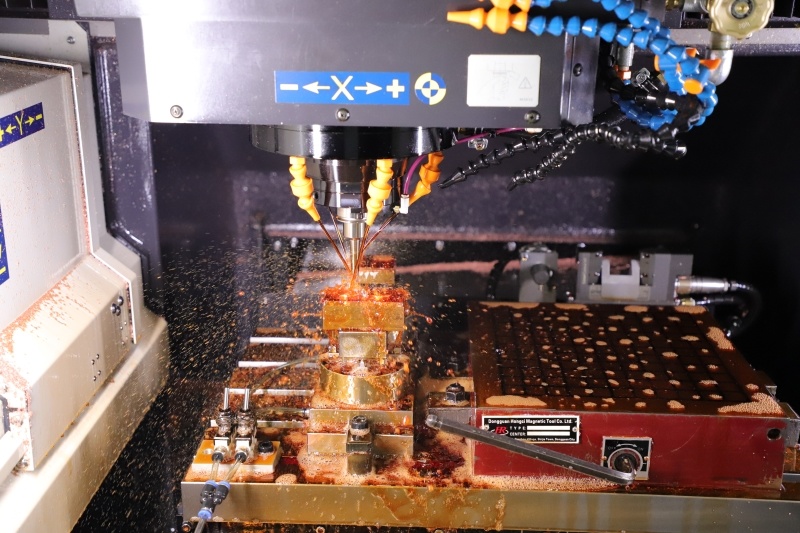
In addition to traditional engraving techniques, modern advancements have introduced the use of CNC (Computer Numerical Control) engraving machines. These machines utilize engraving knives to automate the engraving process, allowing for rapid production while maintaining high levels of accuracy. This technology has revolutionized the manufacturing landscape, enabling businesses to meet higher demands without compromising on quality.
Maintenance of engraving knives is vital to ensure their longevity and effectiveness. Regularly sharpening and properly storing these tools can prevent damage and improve their performance. Additionally, using the right lubricants during the engraving process can help reduce friction and enhance the quality of the engraving.
In conclusion, engraving knives are indispensable tools in the manufacturing and tooling industries, particularly in mold-making, die-casting, and forging applications. By understanding their functionality, selecting the appropriate type, and ensuring proper maintenance, manufacturers can significantly improve their production processes and achieve superior results. Whether you are a seasoned professional or new to the industry, investing time in understanding engraving knives will yield substantial benefits in your manufacturing endeavors.

SAF Coolest v1.3.1.2 设置面板 GAGSD-ZGYF-JVZFE-ASQ
无数据提示
Sorry, the current column is being updated, please look forward to it!
You can view other columns or returnHome Page