
-
About Us
Dongguan Mixiao New Material Technology Co., Ltd. was established in 2013 and is located in Changping Town, Dongguan City, the capital of manufacturing. It has strong independent development, design, and production capabilities, and produces products such as metal and non-metal product molds, automotive and motorcycle molds
-
Products
Dongguan Mixiao New Material Technology Co., Ltd. was established in 2013 and is located in Changping Town, Dongguan City, the capital of manufacturing. It has strong independent development, design, and production capabilities, and produces products such as metal and non-metal product molds, automotive and motorcycle molds
-

Service
Dongguan Mixiao New Material Technology Co., Ltd. was established in 2013 and is located in Changping Town, Dongguan City, the capital of manufacturing. It has strong independent development, design, and production capabilities, and produces products such as metal and non-metal product molds, automotive and motorcycle molds
-

Blog
Dongguan Mixiao New Material Technology Co., Ltd. was established in 2013 and is located in Changping Town, Dongguan City, the capital of manufacturing. It has strong independent development, design, and production capabilities, and produces products such as metal and non-metal product molds, automotive and motorcycle molds
-

Contact us
Dongguan Mixiao New Material Technology Co., Ltd. was established in 2013 and is located in Changping Town, Dongguan City, the capital of manufacturing. It has strong independent development, design, and production capabilities, and produces products such as metal and non-metal product molds, automotive and motorcycle molds

Understanding Laser Jet Welding Machine Nozzles: Key Components for Precision Manufacturing
Release time:
Apr 01,2026
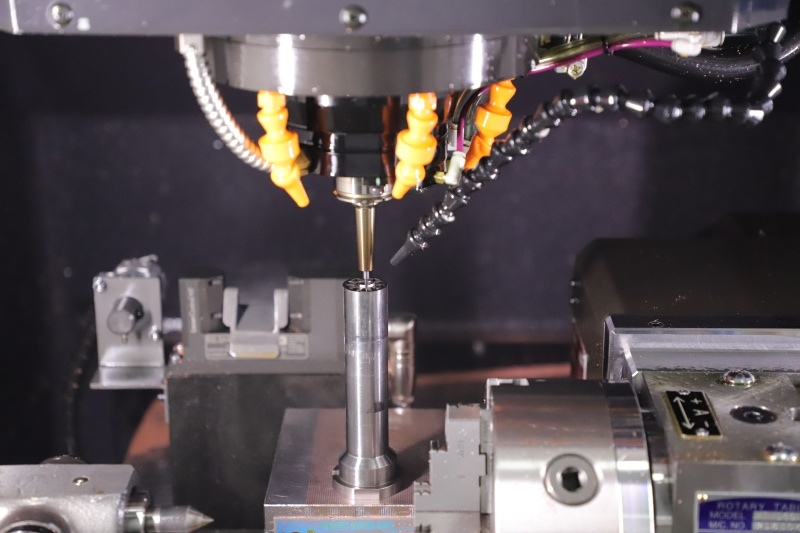
Laser jet welding has become a popular choice due to its high precision and versatility. At the heart of this technology lie the welding machine nozzles, which are crucial for directing the laser beam and ensuring effective material fusion. Understanding how these nozzles work can greatly enhance your manufacturing processes. **Functionality of Laser Jet Welding Nozzles** The primary function of l

**Functionality of Laser Jet Welding Nozzles**
The primary function of laser jet welding machine nozzles is to focus the laser beam onto the workpiece. This helps achieve a concentrated energy output, which is essential for penetrating the materials being welded. The nozzle design affects the beam shape and intensity, contributing to the quality of the weld. Properly designed nozzles can minimize heat-affected zones, reducing the risk of warping or damaging the surrounding material.
Additionally, nozzles can also serve to deliver shielding gas during the welding process. This gas protects the molten weld pool from oxidation and contamination, which is particularly important when working with sensitive materials. The choice of nozzle design and gas delivery can significantly influence the quality and durability of the weld.
**Choosing the Right Nozzle**
When selecting laser jet welding machine nozzles, several factors should be considered. Firstly, the material type you are working with will dictate the nozzle's compatibility and effectiveness. Different materials may require specific nozzle designs to achieve optimal results.
Another consideration is the diameter of the nozzle. A smaller diameter can provide a more concentrated beam, which is advantageous for intricate work, while a larger diameter may be better suited for broader applications. The length and shape of the nozzle also influence the flow of the shielding gas and the overall stability of the welding operation.
Moreover, it is essential to ensure that the nozzle is made of high-quality materials that can withstand the extreme conditions of laser welding. This includes resistance to thermal shock and erosion, which are common challenges in high-intensity applications.
**Conclusion**
In conclusion, laser jet welding machine nozzles are vital components in the manufacturing process, especially for industries focused on molds, die-casting, and forging. By understanding their functionality and the factors influencing their performance, manufacturers can improve their welding operations and achieve superior results. Consider the specific requirements of your applications and invest in high-quality nozzles to enhance the effectiveness and efficiency of your laser welding processes.

SAF Coolest v1.3.1.2 设置面板 GAGSD-ZGYF-JVZFE-ASQ
无数据提示
Sorry, the current column is being updated, please look forward to it!
You can view other columns or returnHome Page