
-

About Us
Dongguan Mixiao New Material Technology Co., Ltd. was established in 2013 and is located in Changping Town, Dongguan City, the capital of manufacturing. It has strong independent development, design, and production capabilities, and produces products such as metal and non-metal product molds, automotive and motorcycle molds
-
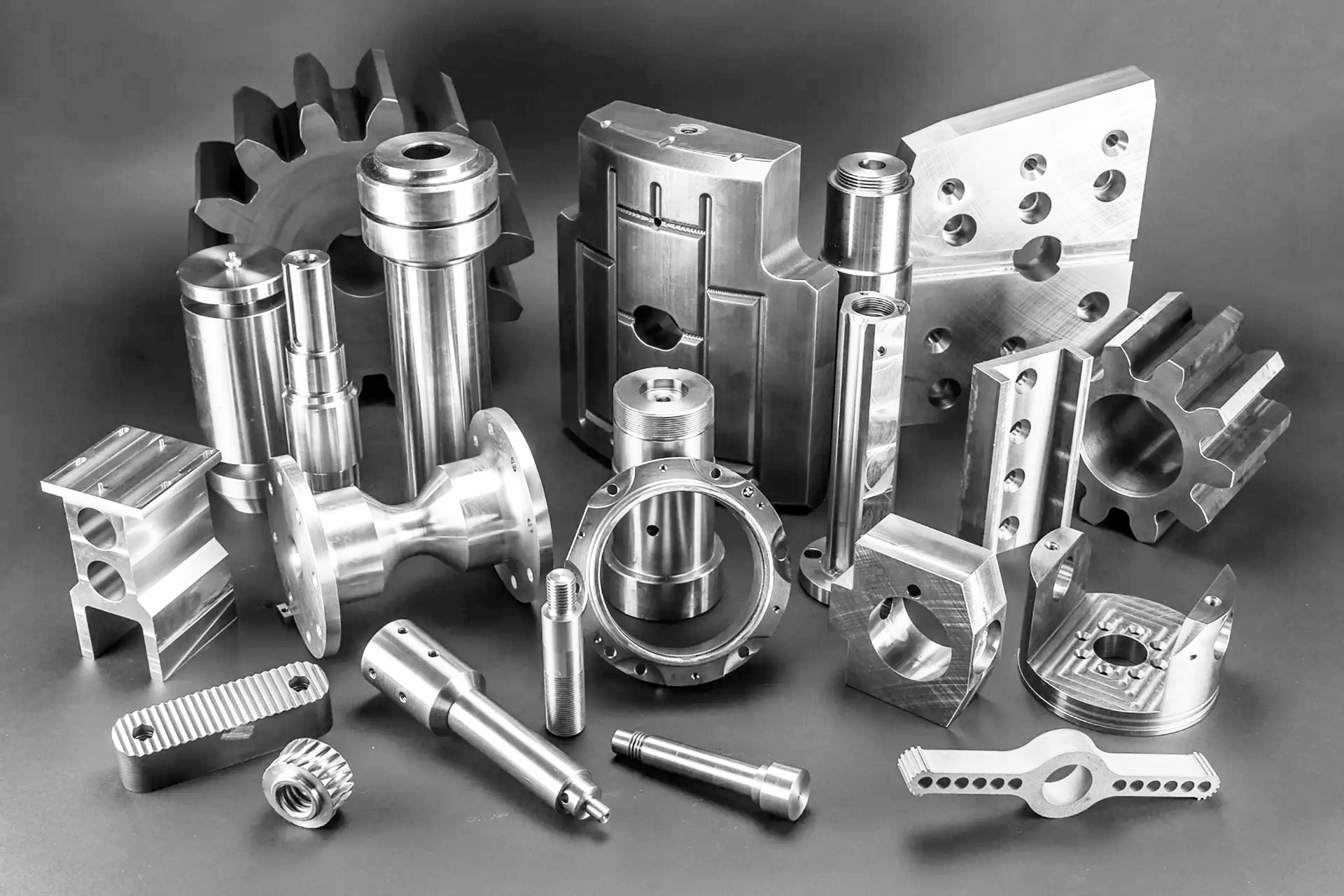
Products
Dongguan Mixiao New Material Technology Co., Ltd. was established in 2013 and is located in Changping Town, Dongguan City, the capital of manufacturing. It has strong independent development, design, and production capabilities, and produces products such as metal and non-metal product molds, automotive and motorcycle molds
-

Service
Dongguan Mixiao New Material Technology Co., Ltd. was established in 2013 and is located in Changping Town, Dongguan City, the capital of manufacturing. It has strong independent development, design, and production capabilities, and produces products such as metal and non-metal product molds, automotive and motorcycle molds
-

Blog
Dongguan Mixiao New Material Technology Co., Ltd. was established in 2013 and is located in Changping Town, Dongguan City, the capital of manufacturing. It has strong independent development, design, and production capabilities, and produces products such as metal and non-metal product molds, automotive and motorcycle molds
-

Contact us
Dongguan Mixiao New Material Technology Co., Ltd. was established in 2013 and is located in Changping Town, Dongguan City, the capital of manufacturing. It has strong independent development, design, and production capabilities, and produces products such as metal and non-metal product molds, automotive and motorcycle molds

Understanding Diamond Segments in Manufacturing and Machining
Release time:
Mar 28,2026
Diamond segments are specialized tools embedded with industrial-grade diamonds, designed primarily for cutting, grinding, and drilling hard materials. These segments are widely utilized in various manufacturing processes, including the production of molds for die-casting and forging. The incorporation of diamond segments into these processes offers several benefits that can significantly influence

One of the key advantages of using diamond segments is their exceptional hardness. Diamonds are the hardest known material, which allows diamond segments to cut through tough substrates, such as steel and other hard alloys, with ease. This strength not only increases the lifespan of the cutting tools but also minimizes the frequency of replacements, resulting in reduced downtime and maintenance costs in manufacturing environments.
Additionally, diamond segments provide superior cutting precision. The fine particles of diamond ensure smooth and accurate cuts, which is especially important in mold-making, where tolerances are critical. Achieving precise dimensions in molds leads to improved product quality and reduces the likelihood of defects in the final output. This precision is essential in industries where components must fit together seamlessly, such as automotive and aerospace manufacturing.
Another significant aspect of diamond segments is their versatility. They can be designed for various applications, from grinding and polishing to cutting and drilling. This adaptability makes diamond segments suitable not only for mold-making but also for other manufacturing processes that require high-performance tools capable of handling different materials and geometries.
Moreover, the efficiency of diamond segments translates into cost savings. While the initial investment may be higher compared to traditional cutting tools, the long-term benefits outweigh these costs. The durability and effectiveness of diamond segments lead to lower operational costs by reducing waste and increasing throughput. Manufacturers who adopt diamond segment technology often find that their return on investment justifies the higher upfront expenses.
In conclusion, diamond segments are an invaluable component in the realm of manufacturing and machining, particularly within the mold-making and die-casting sectors. Their unparalleled hardness, precision, versatility, and cost-effectiveness make them a preferred choice for professionals seeking to enhance their production processes. By understanding the role and advantages of diamond segments, manufacturers can make informed decisions that lead to improved performance and quality in their operations.

SAF Coolest v1.3.1.2 设置面板 GAGSD-ZGYF-JVZFE-ASQ
无数据提示
Sorry, the current column is being updated, please look forward to it!
You can view other columns or returnHome Page