
-

About Us
Dongguan Mixiao New Material Technology Co., Ltd. was established in 2013 and is located in Changping Town, Dongguan City, the capital of manufacturing. It has strong independent development, design, and production capabilities, and produces products such as metal and non-metal product molds, automotive and motorcycle molds
-
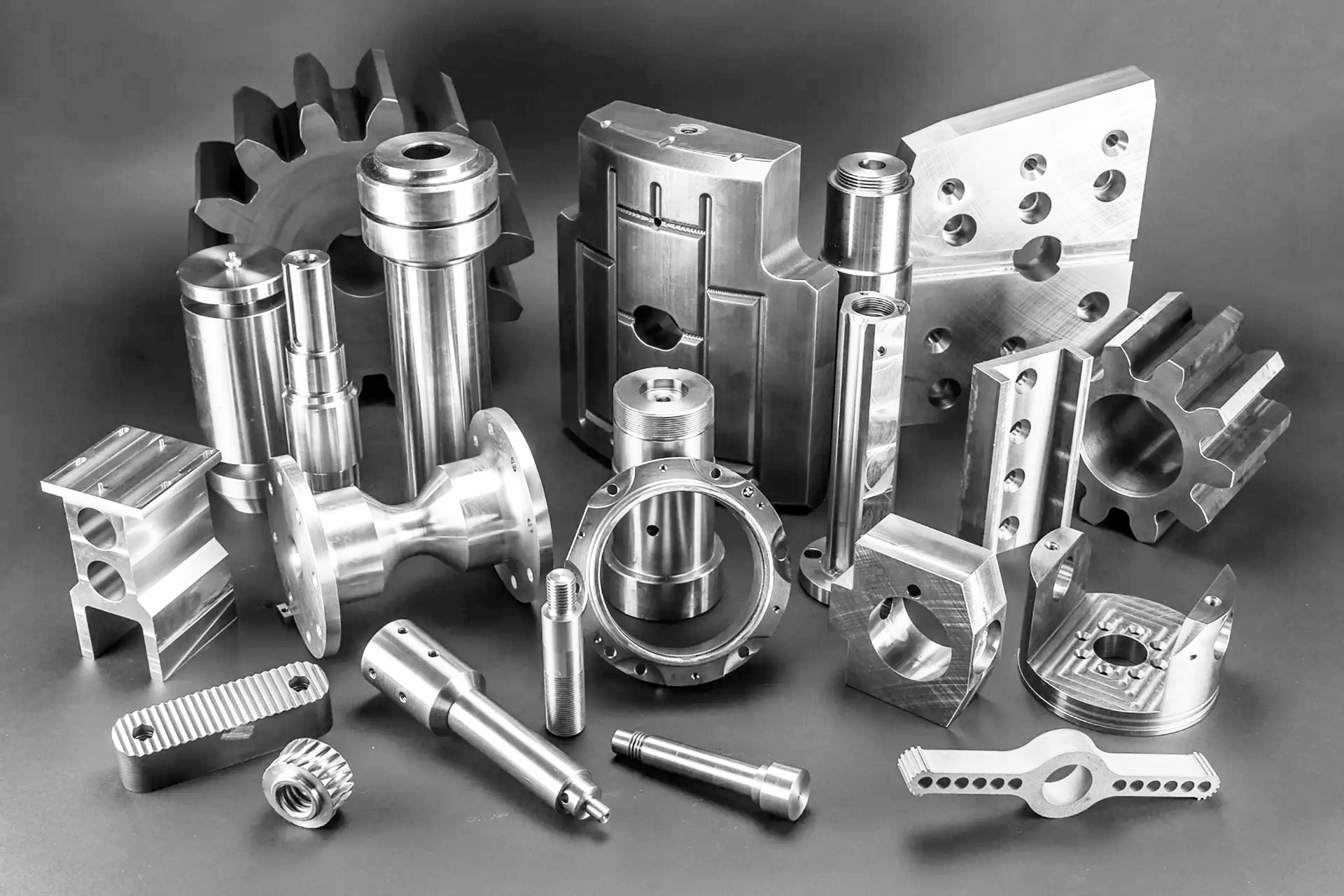
Products
Dongguan Mixiao New Material Technology Co., Ltd. was established in 2013 and is located in Changping Town, Dongguan City, the capital of manufacturing. It has strong independent development, design, and production capabilities, and produces products such as metal and non-metal product molds, automotive and motorcycle molds
-

Service
Dongguan Mixiao New Material Technology Co., Ltd. was established in 2013 and is located in Changping Town, Dongguan City, the capital of manufacturing. It has strong independent development, design, and production capabilities, and produces products such as metal and non-metal product molds, automotive and motorcycle molds
-

Blog
Dongguan Mixiao New Material Technology Co., Ltd. was established in 2013 and is located in Changping Town, Dongguan City, the capital of manufacturing. It has strong independent development, design, and production capabilities, and produces products such as metal and non-metal product molds, automotive and motorcycle molds
-

Contact us
Dongguan Mixiao New Material Technology Co., Ltd. was established in 2013 and is located in Changping Town, Dongguan City, the capital of manufacturing. It has strong independent development, design, and production capabilities, and produces products such as metal and non-metal product molds, automotive and motorcycle molds

Understanding the Versatility of Engraving Knives in Manufacturing Processes
Release time:
Mar 24,2026
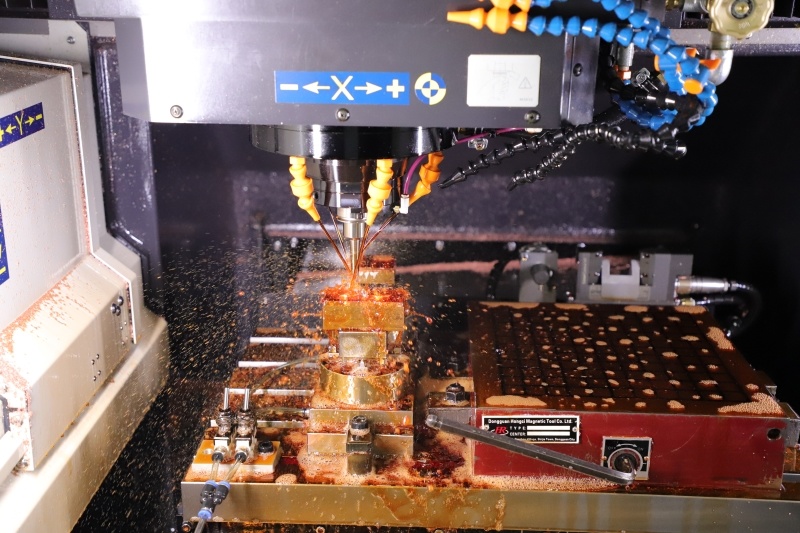
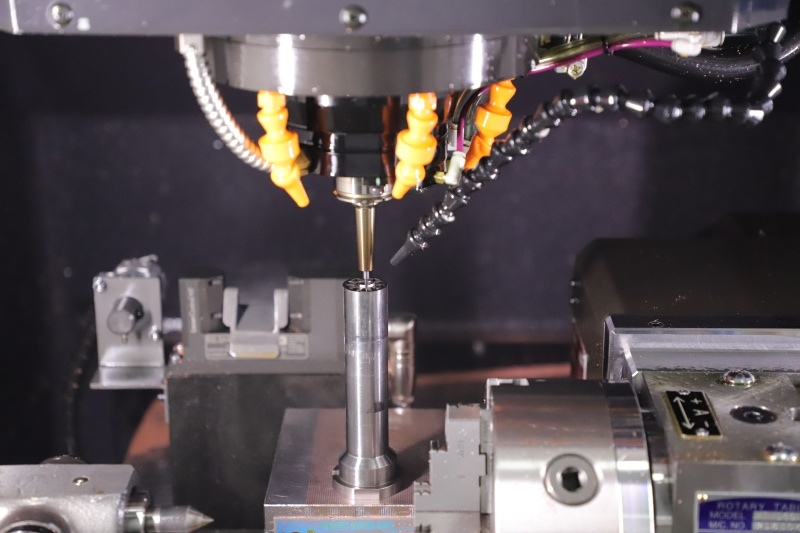
Engraving knives are essential tools in the field of manufacturing, especially when it comes to mold making, die casting, and forging. These knives are specifically designed for intricate detailing and precision cutting, making them invaluable in various applications within the manufacturing process. One of the primary uses of engraving knives is in the creation of molds and dies. These tools allo

One of the primary uses of engraving knives is in the creation of molds and dies. These tools allow manufacturers to carve precise designs and patterns into the surfaces of molds, ensuring that the final product meets specifications. The capability of engraving knives to produce detailed engravings means they are commonly used for logo placement, product serial numbers, and other identifiers that require accuracy and clarity.
In the context of die casting, engraving knives facilitate the creation of molds that are vital for producing metal parts with complex shapes. The engraving process can significantly enhance the surface finish of the final product, leading to better aesthetic quality and functionality. As a result, the use of engraving knives can improve the overall efficiency of the manufacturing process by reducing the need for additional finishing work.
Moreover, engraving knives are also utilized in forging processes. These tools can be employed to create intricate designs on forged components, which not only serve a functional purpose but also add visual appeal to the final product. The precision offered by engraving knives is crucial in ensuring that the designs are accurately reflected in the forged materials, further enhancing the value of the end products.
In addition to their practical uses, engraving knives also provide manufacturers with the flexibility to innovate. By allowing for custom designs and unique patterns, these tools enable companies to differentiate their products in a competitive market. The ability to create bespoke molds and dies that cater to specific client needs can lead to increased customer satisfaction and retention.
It’s essential for professionals in the manufacturing sector to understand the various types of engraving knives available, as well as their specific applications. Different engraving knives may vary in terms of blade shape, size, and material, each suited for different tasks. Selecting the appropriate engraving knife for a particular project can make a significant difference in achieving desired results.
In summary, engraving knives play a crucial role in the manufacturing and processing industries, particularly in mold making, die casting, and forging. Their ability to create intricate designs with precision not only enhances the quality of products but also provides manufacturers with the opportunity to innovate and stand out in the marketplace. Understanding the importance and versatility of engraving knives can empower professionals to leverage these tools effectively in their production processes.

SAF Coolest v1.3.1.2 设置面板 GAGSD-ZGYF-JVZFE-ASQ
无数据提示
Sorry, the current column is being updated, please look forward to it!
You can view other columns or returnHome Page