
-

About Us
Dongguan Mixiao New Material Technology Co., Ltd. was established in 2013 and is located in Changping Town, Dongguan City, the capital of manufacturing. It has strong independent development, design, and production capabilities, and produces products such as metal and non-metal product molds, automotive and motorcycle molds
-
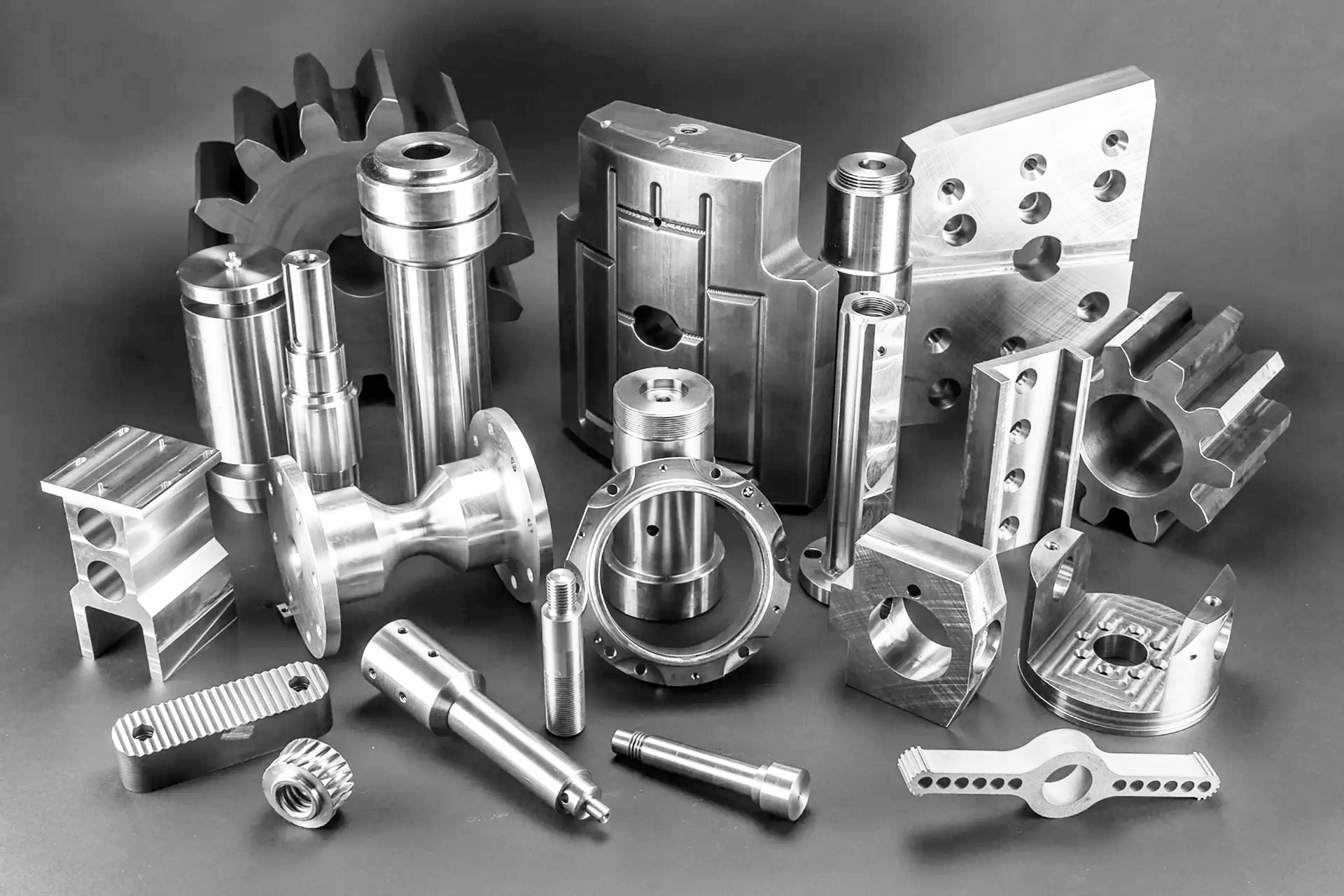
Products
Dongguan Mixiao New Material Technology Co., Ltd. was established in 2013 and is located in Changping Town, Dongguan City, the capital of manufacturing. It has strong independent development, design, and production capabilities, and produces products such as metal and non-metal product molds, automotive and motorcycle molds
-

Service
Dongguan Mixiao New Material Technology Co., Ltd. was established in 2013 and is located in Changping Town, Dongguan City, the capital of manufacturing. It has strong independent development, design, and production capabilities, and produces products such as metal and non-metal product molds, automotive and motorcycle molds
-

Blog
Dongguan Mixiao New Material Technology Co., Ltd. was established in 2013 and is located in Changping Town, Dongguan City, the capital of manufacturing. It has strong independent development, design, and production capabilities, and produces products such as metal and non-metal product molds, automotive and motorcycle molds
-

Contact us
Dongguan Mixiao New Material Technology Co., Ltd. was established in 2013 and is located in Changping Town, Dongguan City, the capital of manufacturing. It has strong independent development, design, and production capabilities, and produces products such as metal and non-metal product molds, automotive and motorcycle molds

Understanding the Manufacturing Process of Hard Alloy Sawtooth Components
Release time:
Mar 23,2026
Understanding the Manufacturing Process of Hard Alloy Sawtooth Components Table of Contents Introduction to Hard Alloy Sawtooth Components Significance of Hard Alloy in Manufacturing Overview of Manufacturing Processes Material Selection for Hard Alloy Components The Role of Molding in Sawtooth Component Fabrication Machining Techniques for Precision Cutting Quality Control in Hard

Understanding the Manufacturing Process of Hard Alloy Sawtooth Components
Table of Contents
- Introduction to Hard Alloy Sawtooth Components
- Significance of Hard Alloy in Manufacturing
- Overview of Manufacturing Processes
- Material Selection for Hard Alloy Components
- The Role of Molding in Sawtooth Component Fabrication
- Machining Techniques for Precision Cutting
- Quality Control in Hard Alloy Manufacturing
- Applications of Hard Alloy Sawtooth Components
- Future Trends in Manufacturing Hard Alloy Components
- Frequently Asked Questions
- Conclusion
Introduction to Hard Alloy Sawtooth Components
Hard alloy sawtooth components play a pivotal role in various mechanical applications, particularly in industries requiring high durability and precision. These components are engineered to withstand rigorous operational demands, making them essential in the production of machinery and tools that operate under extreme conditions. This article provides a detailed examination of the manufacturing processes involved in creating these robust and efficient components.
Significance of Hard Alloy in Manufacturing
The use of hard alloys in manufacturing is essential due to their ability to endure wear and tear better than conventional materials. Hard alloys, often comprised of metals such as tungsten, cobalt, or titanium, exhibit superior hardness, tensile strength, and resistance to corrosion. This section explores why hard alloys are favored in the production of sawtooth components and how they contribute to enhanced performance and lifespan.
2.1 Benefits of Using Hard Alloys
- **Durability**: Hard alloys can withstand harsh conditions, which minimizes the need for frequent replacements.
- **Precision**: These materials allow for tighter tolerances in machining processes.
- **Cost-Effectiveness**: Although initial costs may be higher, the longevity of hard alloy components translates to lower long-term costs.
Overview of Manufacturing Processes
The manufacturing process of hard alloy sawtooth components involves several critical steps, each contributing to the final product's quality and performance. This section outlines the primary manufacturing techniques, including casting, machining, and surface treatment, providing insight into how these processes converge to create reliable components.
3.1 Casting and Molding Techniques
Casting and molding are foundational processes in the manufacturing of hard alloy components. Various methods, such as die casting and investment casting, are employed to shape the initial raw material into usable forms.
3.1.1 Die Casting
Die casting involves forcing molten alloy into a mold under high pressure, creating intricate shapes with minimal waste. This method is particularly beneficial for high-volume production runs.
3.1.2 Investment Casting
Investment casting, or lost-wax casting, offers superior surface finish and dimensional accuracy, making it ideal for complex geometries not easily achieved through other methods.
Material Selection for Hard Alloy Components
Choosing the right material is crucial in the manufacturing process of hard alloy sawtooth components. Factors such as the desired mechanical properties, thermal resistance, and cost must be carefully considered.
4.1 Common Hard Alloy Materials
- **Tungsten Carbide**: Known for its exceptional hardness, tungsten carbide is often used in applications demanding high wear resistance.
- **Cobalt Alloys**: These alloys offer excellent corrosion resistance and are suitable for high-temperature applications.
- **Titanium Alloys**: Lightweight yet strong, titanium alloys are increasingly popular in aerospace and automotive sectors.
The Role of Molding in Sawtooth Component Fabrication
Molding plays a significant role in shaping hard alloy sawtooth components. The choice of molding technique directly affects the component's structural integrity and performance.
5.1 Types of Molding Processes
Different molding processes yield varying results. Understanding these distinctions helps in selecting the appropriate method based on the end-use application.
5.1.1 Sand Molding
Sand molding is a traditional method that offers flexibility in design but may not provide the same level of precision as modern techniques.
5.1.2 Shell Molding
Shell molding allows for faster production and improved dimensional accuracy, making it a preferred choice in high-precision applications.
Machining Techniques for Precision Cutting
Machining is a critical factor in achieving the necessary tolerances and finishes for hard alloy sawtooth components. Advanced machining techniques enhance the efficiency and precision of the manufacturing process.
6.1 CNC Machining
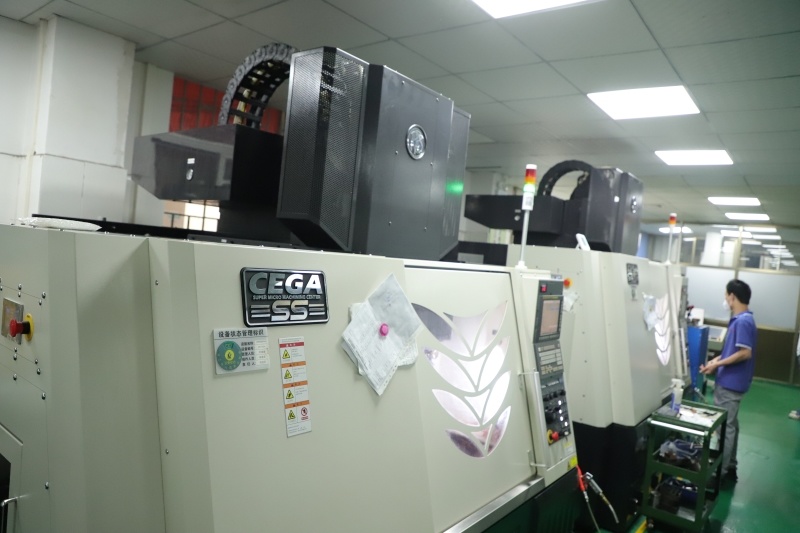
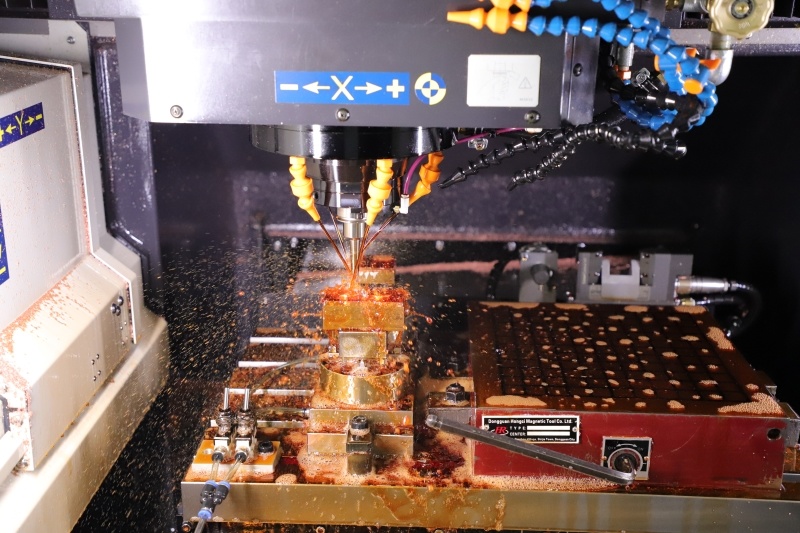
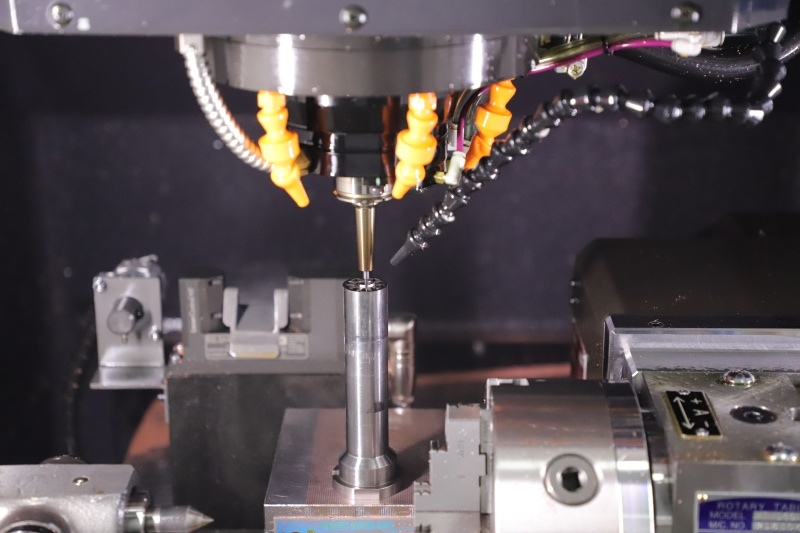
Computer Numerical Control (CNC) machining is the industry standard for producing complex parts with high accuracy. CNC machines automate the machining process, ensuring consistent quality across multiple production runs.
6.2 Grinding and Finishing Processes
After machining, components undergo grinding and finishing to achieve the desired surface quality. Techniques like electrochemical grinding and surface hardening are commonly used to enhance durability and performance.
Quality Control in Hard Alloy Manufacturing
Quality control is paramount in ensuring that hard alloy sawtooth components meet industry standards and customer specifications.
7.1 Inspection Techniques
Various inspection techniques, including non-destructive testing (NDT) and dimensional inspections, are employed to verify the integrity and performance of the components.
7.1.1 Non-Destructive Testing (NDT)
NDT techniques, such as ultrasonic testing and magnetic particle inspection, help identify defects without damaging the components, ensuring reliability.
7.1.2 Dimensional Inspection
Dimensional inspection involves measuring the component against specified tolerances, ensuring that it meets design requirements.
Applications of Hard Alloy Sawtooth Components
Hard alloy sawtooth components find applications in various industries due to their robustness and reliability. This section outlines the primary applications of these components.
8.1 Industrial Machinery
In manufacturing and processing plants, hard alloy sawtooth components are used in cutting and machining tools that require high precision and durability.
8.2 Automotive Components
Automakers utilize hard alloy sawtooth components for their strength and resistance to wear, particularly in engine parts and transmission systems.
8.3 Aerospace Applications
The aerospace industry relies on these components for their performance at high altitudes and temperatures, where conventional materials may fail.
Future Trends in Manufacturing Hard Alloy Components
The landscape of manufacturing hard alloy components is evolving with advancements in technology. This section discusses the trends shaping the future of this industry.
9.1 Additive Manufacturing
Additive manufacturing, or 3D printing, is beginning to make waves in the production of hard alloy components, allowing for complex geometries that traditional methods cannot achieve.
9.2 Enhanced Material Properties
Research into new materials and coatings that improve the performance characteristics of hard alloys is ongoing, promising to expand their applications and capabilities.
Frequently Asked Questions
10.1 What are hard alloy sawtooth components used for?
Hard alloy sawtooth components are primarily used in industrial machinery, automotive applications, and aerospace components due to their durability and precision.
10.2 How is hard alloy different from regular alloy?
Hard alloys possess superior hardness and wear resistance compared to regular alloys, making them more suitable for high-stress applications.
10.3 What is the best manufacturing process for hard alloy components?
The best manufacturing process depends on the specific application and design requirements. Common processes include die casting and CNC machining.
10.4 How are hard alloy components tested for quality?
Quality testing typically involves non-destructive testing (NDT) methods and dimensional inspections to ensure compliance with industry standards.
10.5 What future innovations are expected in hard alloy manufacturing?
Future innovations may include advancements in additive manufacturing and enhanced material properties, allowing for new applications and improved performance.
Conclusion
In conclusion, understanding the manufacturing process of hard alloy sawtooth components is crucial for professionals in related industries. From material selection to quality control, each step in the process directly impacts the performance and reliability of the final product. As technology continues to advance, the methods and materials used in manufacturing hard alloy components will evolve, paving the way for even more durable and efficient solutions. By staying informed about these trends and practices, manufacturers can ensure they remain competitive in this ever-changing landscape.

SAF Coolest v1.3.1.2 设置面板 GAGSD-ZGYF-JVZFE-ASQ
无数据提示
Sorry, the current column is being updated, please look forward to it!
You can view other columns or returnHome Page