
-

About Us
Dongguan Mixiao New Material Technology Co., Ltd. was established in 2013 and is located in Changping Town, Dongguan City, the capital of manufacturing. It has strong independent development, design, and production capabilities, and produces products such as metal and non-metal product molds, automotive and motorcycle molds
-
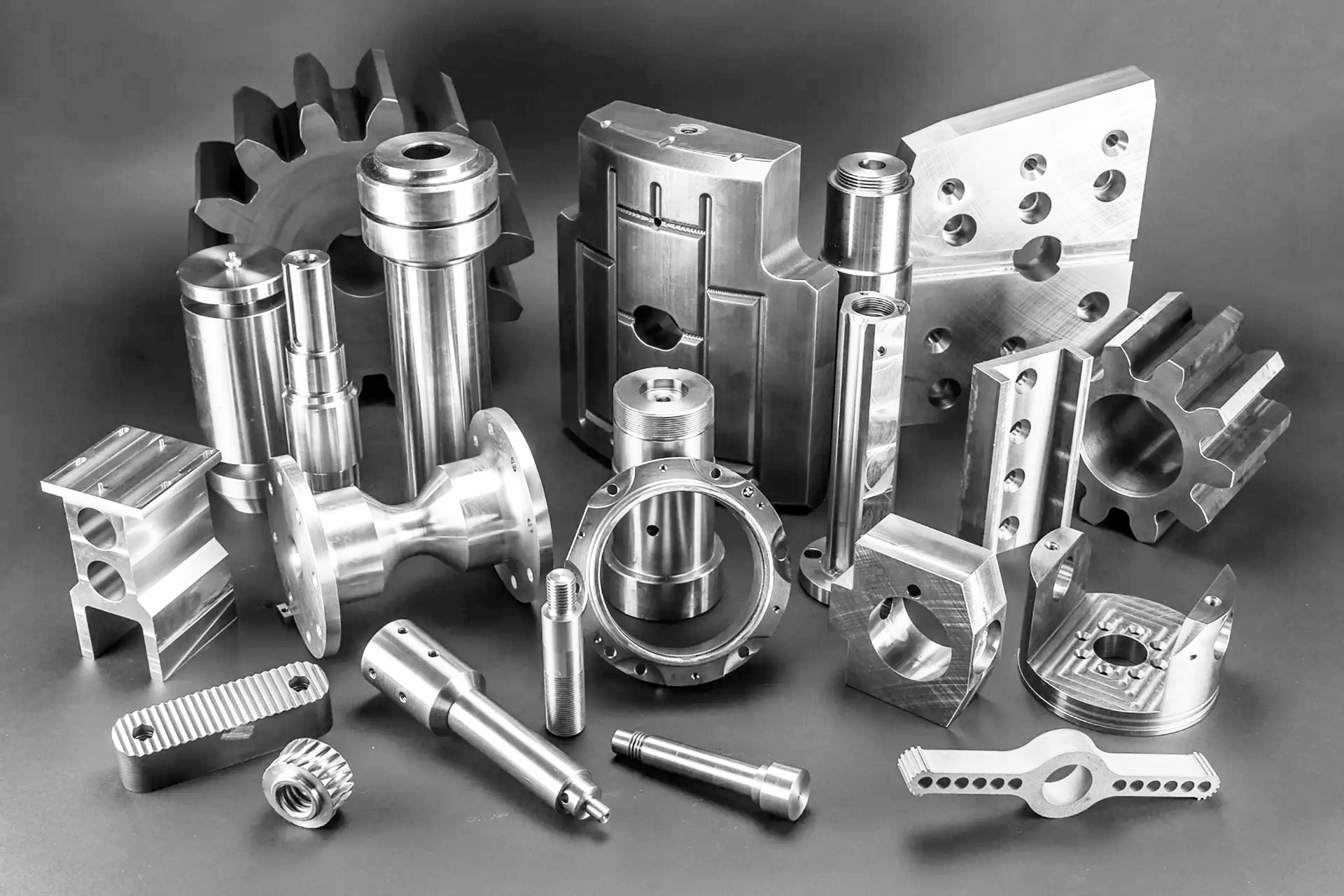
Products
Dongguan Mixiao New Material Technology Co., Ltd. was established in 2013 and is located in Changping Town, Dongguan City, the capital of manufacturing. It has strong independent development, design, and production capabilities, and produces products such as metal and non-metal product molds, automotive and motorcycle molds
-

Service
Dongguan Mixiao New Material Technology Co., Ltd. was established in 2013 and is located in Changping Town, Dongguan City, the capital of manufacturing. It has strong independent development, design, and production capabilities, and produces products such as metal and non-metal product molds, automotive and motorcycle molds
-

Blog
Dongguan Mixiao New Material Technology Co., Ltd. was established in 2013 and is located in Changping Town, Dongguan City, the capital of manufacturing. It has strong independent development, design, and production capabilities, and produces products such as metal and non-metal product molds, automotive and motorcycle molds
-

Contact us
Dongguan Mixiao New Material Technology Co., Ltd. was established in 2013 and is located in Changping Town, Dongguan City, the capital of manufacturing. It has strong independent development, design, and production capabilities, and produces products such as metal and non-metal product molds, automotive and motorcycle molds

Understanding Diamond Segments: Key Innovations in Manufacturing and Machining
Release time:
Mar 20,2026
Diamond segments are essential components in various manufacturing and machining processes, playing a pivotal role in the production of molds, die-casting, and forging. These segments are typically made by bonding diamond particles to a metal matrix, creating a robust material that can efficiently cut, grind, or drill through hard substances. The use of diamond segments offers several advantages,

One of the most notable properties of diamond segments is their exceptional hardness. Diamond, being the hardest known natural material, provides superior cutting and grinding capabilities compared to conventional tools. This hardness allows diamond segments to maintain their shape and sharpness over extended periods, reducing the frequency of tool changes and downtime in production. Consequently, businesses can achieve higher productivity rates and improved cost-effectiveness.
In the context of molds and die-casting, diamond segments are particularly beneficial. The molding process often involves working with hard materials that require precise shaping and finishing. Diamond segments help achieve smooth surfaces and tight tolerances, which are critical for the performance and longevity of molds. Additionally, the ability to work with various materials, from metals to ceramics, makes diamond segments versatile for different applications within the manufacturing sector.
Another advantage of using diamond segments is their ability to enhance the overall quality of the finished products. The precision offered by these segments helps reduce the occurrence of defects, ensuring that the final components meet stringent quality standards. This is especially important in industries where safety and reliability are paramount, such as automotive and aerospace manufacturing.
Moreover, the design and application of diamond segments have evolved significantly over the years. Innovations in bonding technologies and segment formulations have led to improved performance and customization options. Manufacturers can now tailor diamond segments to specific applications, taking into account factors such as material type, required finish, and operating conditions. This level of customization ensures that businesses can select the most suitable tools for their unique processes, leading to optimal results.
In summary, diamond segments represent a critical advancement in the realm of manufacturing and machining. Their unparalleled hardness, versatility, and ability to enhance product quality make them indispensable in the production of molds, die-casting, and forging applications. As the industry continues to innovate, the role of diamond segments is likely to expand, driving further improvements in productivity and precision across various manufacturing processes. Understanding the importance and functionality of diamond segments can help businesses make informed decisions in tool selection and process optimization.

SAF Coolest v1.3.1.2 设置面板 GAGSD-ZGYF-JVZFE-ASQ
无数据提示
Sorry, the current column is being updated, please look forward to it!
You can view other columns or returnHome Page