
-

About Us
Dongguan Mixiao New Material Technology Co., Ltd. was established in 2013 and is located in Changping Town, Dongguan City, the capital of manufacturing. It has strong independent development, design, and production capabilities, and produces products such as metal and non-metal product molds, automotive and motorcycle molds
-
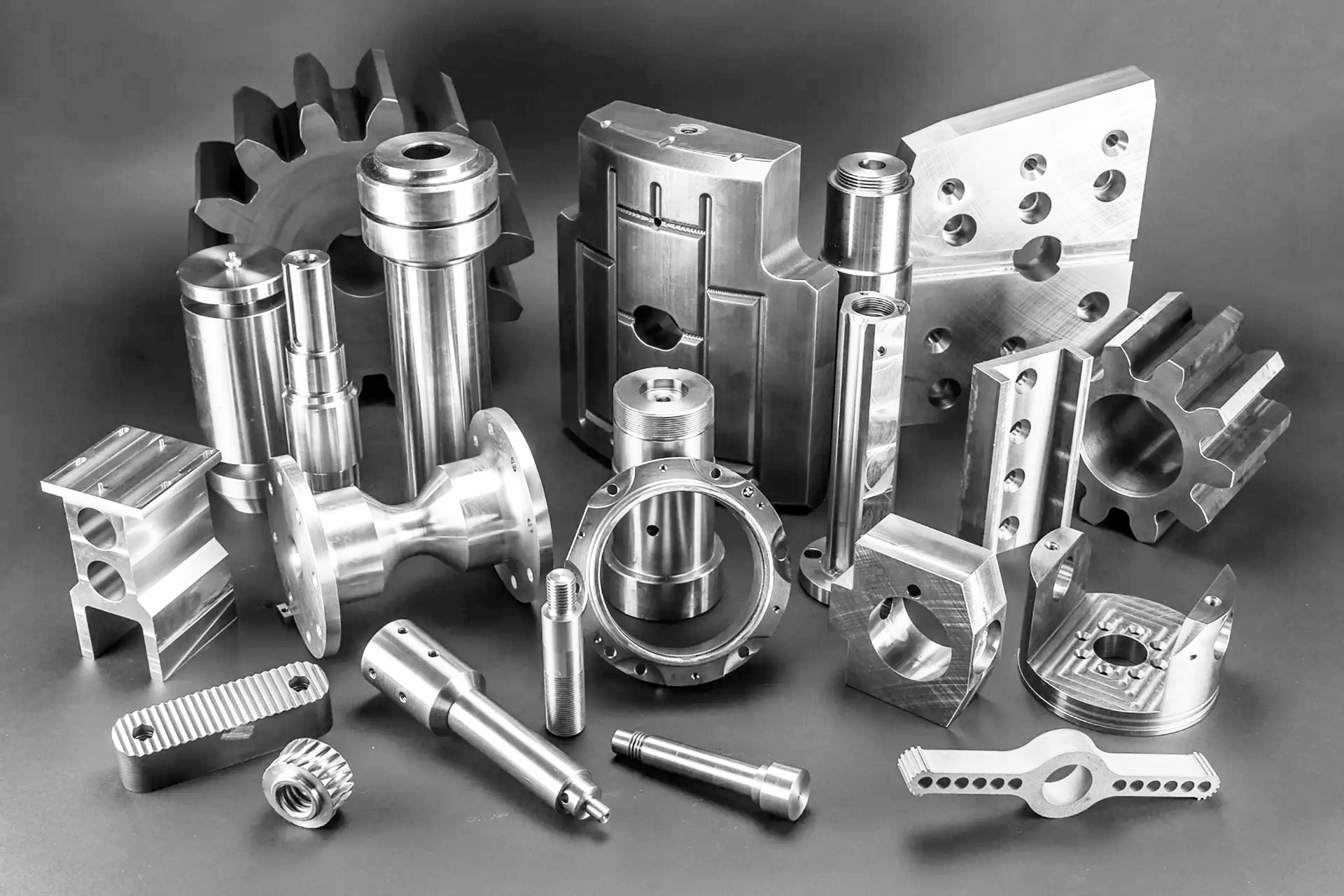
Products
Dongguan Mixiao New Material Technology Co., Ltd. was established in 2013 and is located in Changping Town, Dongguan City, the capital of manufacturing. It has strong independent development, design, and production capabilities, and produces products such as metal and non-metal product molds, automotive and motorcycle molds
-

Service
Dongguan Mixiao New Material Technology Co., Ltd. was established in 2013 and is located in Changping Town, Dongguan City, the capital of manufacturing. It has strong independent development, design, and production capabilities, and produces products such as metal and non-metal product molds, automotive and motorcycle molds
-

Blog
Dongguan Mixiao New Material Technology Co., Ltd. was established in 2013 and is located in Changping Town, Dongguan City, the capital of manufacturing. It has strong independent development, design, and production capabilities, and produces products such as metal and non-metal product molds, automotive and motorcycle molds
-

Contact us
Dongguan Mixiao New Material Technology Co., Ltd. was established in 2013 and is located in Changping Town, Dongguan City, the capital of manufacturing. It has strong independent development, design, and production capabilities, and produces products such as metal and non-metal product molds, automotive and motorcycle molds

Understanding Engraving Knives: Essential Tools for Precision in Manufacturing
Release time:
Mar 16,2026
Engraving knives are specialized tools designed for intricate cutting and carving tasks, particularly in the manufacturing and machining industries. These knives are essential for creating detailed designs and precise engravings on a variety of materials, including metal, wood, and plastic. In the context of manufacturing processes like mold-making and die-casting, engraving knives play a crucial

One of the primary advantages of using engraving knives is their ability to create fine details that are often essential for functional and aesthetic purposes. For instance, in the production of molds, an engraving knife can be used to carve out intricate patterns or textures that will be replicated in the finished product. This is particularly important in industries where branding or design elements are vital, such as in automotive parts or consumer electronics.
Engraving knives come in various shapes and sizes, each designed for specific types of cuts and materials. The blade of an engraving knife is typically made from high-carbon steel or carbide, which allows for sharp edges that can withstand the wear and tear of continuous use. Furthermore, the ergonomics of the knife handle can significantly affect the user’s ability to control the tool and achieve the desired results. A comfortable grip can enhance precision and reduce fatigue during extended periods of use.
When using engraving knives, it's important to consider the type of material being worked on. Softer materials like wood may require less force and a different technique compared to harder metals. Additionally, maintaining the knife through regular sharpening and proper storage can extend its lifespan and ensure consistent performance. A dull engraving knife not only makes the task more difficult but can also lead to inaccuracies in the finished product.
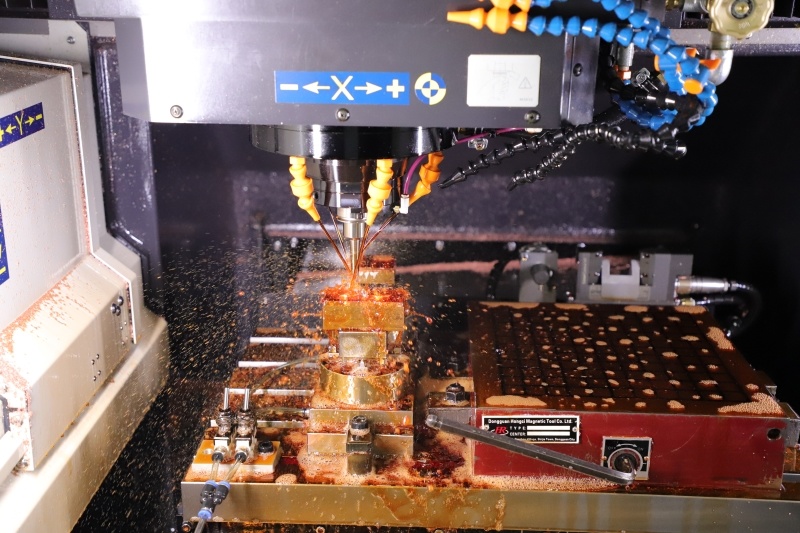
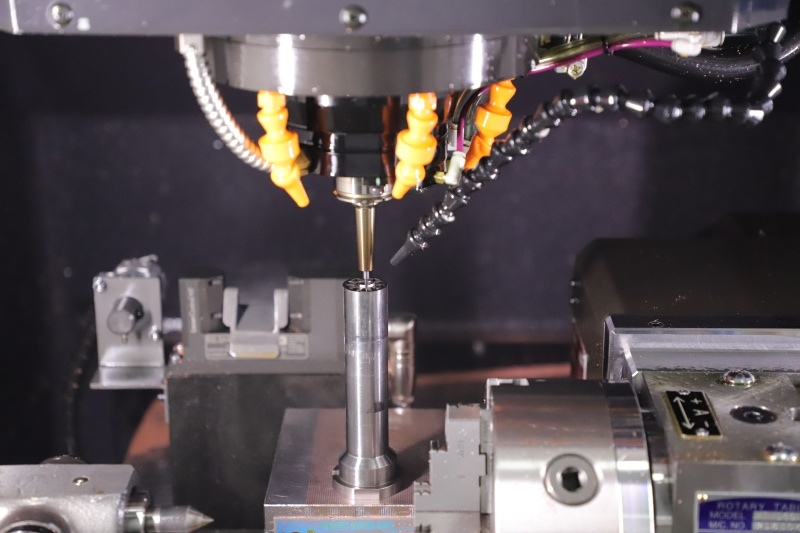
In the context of die-casting and forging molds, engraving knives are often utilized to add identification marks, measurements, or other essential details directly onto the mold surface. This practice ensures that each piece produced is accurately aligned and meets the stringent quality standards required in manufacturing.
Furthermore, advancements in engraving technology, such as laser engraving, are becoming increasingly popular. These modern techniques complement traditional engraving knives by offering added precision and versatility. However, engraving knives remain a staple in many workshops due to their reliability and the artist's touch they provide.
In summary, engraving knives are invaluable tools in the manufacturing and machining industries, particularly in mold-making and die-casting. Understanding their use, maintenance, and the materials suited for engraving can enhance production quality and efficiency. Whether you are a seasoned professional or new to the trade, mastering the use of engraving knives can significantly impact the precision and quality of your work.

SAF Coolest v1.3.1.2 设置面板 GAGSD-ZGYF-JVZFE-ASQ
无数据提示
Sorry, the current column is being updated, please look forward to it!
You can view other columns or returnHome Page