
-

About Us
Dongguan Mixiao New Material Technology Co., Ltd. was established in 2013 and is located in Changping Town, Dongguan City, the capital of manufacturing. It has strong independent development, design, and production capabilities, and produces products such as metal and non-metal product molds, automotive and motorcycle molds
-
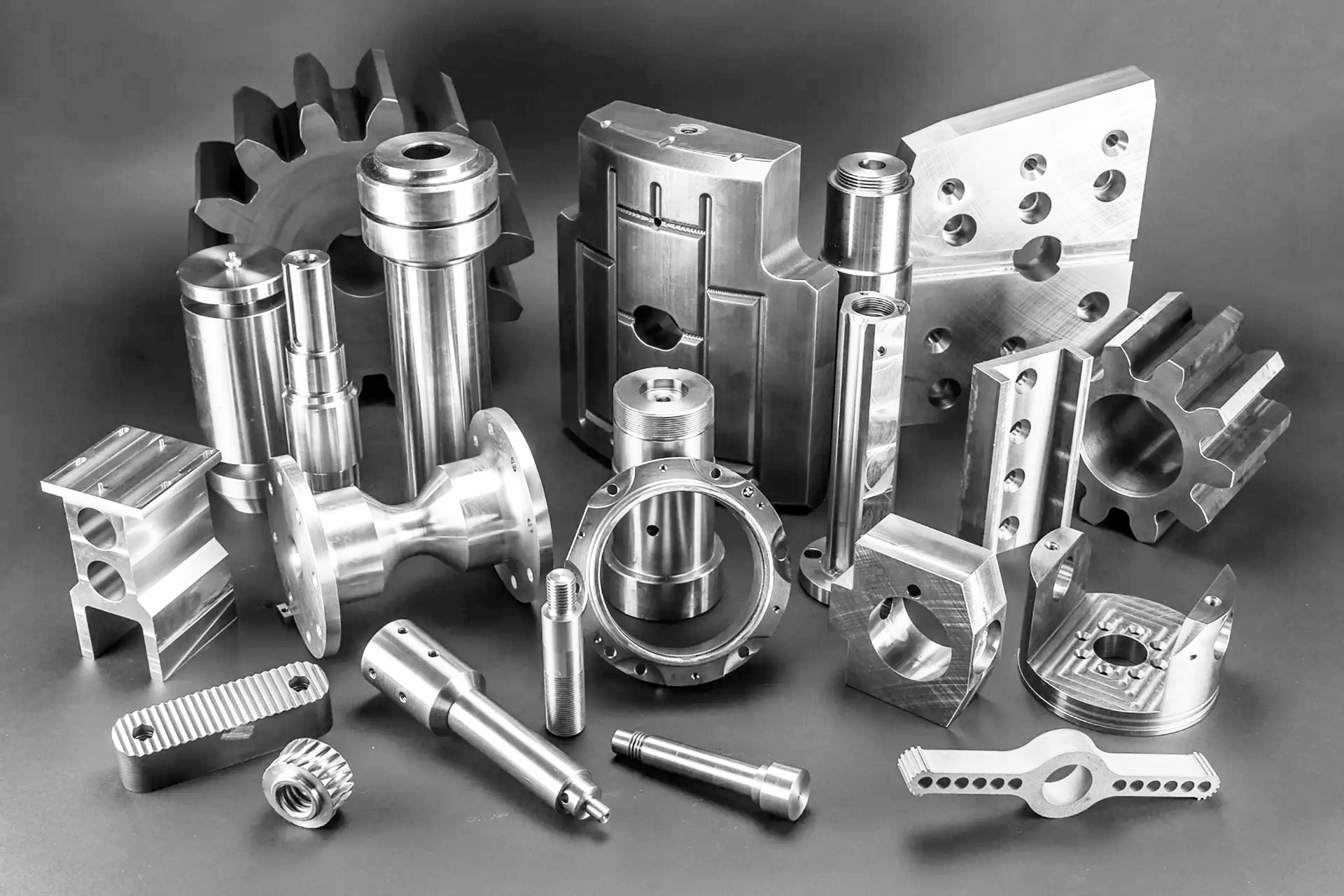
Products
Dongguan Mixiao New Material Technology Co., Ltd. was established in 2013 and is located in Changping Town, Dongguan City, the capital of manufacturing. It has strong independent development, design, and production capabilities, and produces products such as metal and non-metal product molds, automotive and motorcycle molds
-

Service
Dongguan Mixiao New Material Technology Co., Ltd. was established in 2013 and is located in Changping Town, Dongguan City, the capital of manufacturing. It has strong independent development, design, and production capabilities, and produces products such as metal and non-metal product molds, automotive and motorcycle molds
-

Blog
Dongguan Mixiao New Material Technology Co., Ltd. was established in 2013 and is located in Changping Town, Dongguan City, the capital of manufacturing. It has strong independent development, design, and production capabilities, and produces products such as metal and non-metal product molds, automotive and motorcycle molds
-

Contact us
Dongguan Mixiao New Material Technology Co., Ltd. was established in 2013 and is located in Changping Town, Dongguan City, the capital of manufacturing. It has strong independent development, design, and production capabilities, and produces products such as metal and non-metal product molds, automotive and motorcycle molds

Maximizing Durability: The Role of Hard Alloy Sawtooth in Industrial Tools
Release time:
Mar 15,2026
Maximizing Durability: The Role of Hard Alloy Sawtooth in Industrial Tools In today’s competitive manufacturing landscape, the durability of industrial tools significantly impacts operational efficiency and overall productivity. One of the key innovations driving advancements in this area is the use of hard alloy sawtooth technology. These specialized components offer superior performance and long

Maximizing Durability: The Role of Hard Alloy Sawtooth in Industrial Tools
In today’s competitive manufacturing landscape, the durability of industrial tools significantly impacts operational efficiency and overall productivity. One of the key innovations driving advancements in this area is the use of hard alloy sawtooth technology. These specialized components offer superior performance and longevity, making them an essential element in the realm of machining and tool making. In this article, we will delve into the intricacies of hard alloy sawtooth, exploring its features, benefits, applications, and best practices for maximizing durability in industrial tools.
Table of Contents
- Understanding Hard Alloy Sawtooth
- Benefits of Hard Alloy Materials in Industrial Applications
- Applications of Hard Alloy Sawtooth in Industrial Tools
- How Hard Alloy Sawtooth Works
- Choosing the Right Hard Alloy for Your Tools
- Best Practices for Maintenance and Longevity
- Cost-Effectiveness of Hard Alloy Technology
- Frequently Asked Questions
- Conclusion
Understanding Hard Alloy Sawtooth
Hard alloy sawtooth, a term that encompasses a variety of materials, refers to cutting-edge components made from a mixture of tough alloys designed to withstand extreme conditions. These materials often include tungsten carbide, cobalt, and other elements that enhance their hardness and wear resistance. The unique sawtooth design plays a critical role in improving the cutting efficiency of industrial tools, allowing for smoother and more precise operations.
By leveraging the characteristics of hard alloy sawtooth, manufacturers can produce tools that not only endure regular wear and tear but also maintain their performance over extended periods. This advantage makes them highly sought after in industries such as metalworking, woodworking, and plastics processing.
Benefits of Hard Alloy Materials in Industrial Applications
Implementing hard alloy materials in industrial tool manufacturing offers a multitude of advantages:
- Enhanced Durability: The primary benefit of hard alloy sawtooth is its exceptional durability. These materials can resist cracking, chipping, and wear, ensuring they last longer than traditional tools.
- Improved Cutting Performance: The unique design of sawtooth edges facilitates efficient cutting, reducing friction and heat generation during the machining process.
- Versatility: Hard alloy sawtooth can be tailored for various applications, making them suitable for a wide range of industrial tasks.
- Cost Savings: While the initial investment may be higher, the longevity and efficiency of hard alloy sawtooth tools lead to significant long-term savings.
- Reduced Downtime: Tools that last longer and perform better require less frequent replacement, minimizing downtime and improving overall productivity.
Applications of Hard Alloy Sawtooth in Industrial Tools
Hard alloy sawtooth technology finds applications across various industries due to its robust nature. Some notable uses include:
1. Metal Cutting Tools
In metalworking, hard alloy sawtooth is frequently used in saw blades, drills, and milling cutters. The durability of these tools ensures that they can handle tough materials while maintaining precision.
2. Woodworking Tools
Woodworking also benefits from hard alloy sawtooth technology. Saws, routers, and planers made with these materials deliver clean cuts and longer service life, enhancing the efficiency of wood processing.
3. Plastic Machining
In the plastics industry, tools equipped with hard alloy sawtooth can manage the unique challenges presented by different polymers, providing smooth finishes and reducing material waste.
How Hard Alloy Sawtooth Works
The performance of hard alloy sawtooth can be attributed to its composition and design. Through advanced metallurgical techniques, these materials are engineered to achieve optimal hardness and resistance to wear. The sawtooth design allows for a more aggressive cutting angle, which enhances penetration into the material being cut.
The effectiveness of hard alloy sawtooth also lies in its ability to dissipate heat quickly, preventing thermal damage to both the tool and the workpiece. This characteristic is particularly important in high-speed applications, where excessive heat can compromise the integrity of traditional tools.
Choosing the Right Hard Alloy for Your Tools
Selecting the appropriate hard alloy for specific applications is crucial for maximizing performance. Factors to consider include:
- Material Type: Different alloys possess varying hardness levels and wear characteristics. Consider the material you will be machining to determine the best alloy composition.
- Tool Geometry: The design of the tool, including tooth shape and angle, influences cutting efficiency. Customizing these parameters can enhance performance.
- Application Conditions: Evaluate the specific conditions of your application, such as cutting speed, feed rate, and material thickness, to select an alloy that withstands those scenarios.
Best Practices for Maintenance and Longevity
To ensure that hard alloy sawtooth tools perform at their best, regular maintenance is essential. Here are some best practices:
- Clean Tools Regularly: Remove any chips, dust, or residue after each use to prevent buildup that can hinder performance.
- Inspect for Wear: Regularly check tools for signs of wear or damage. Promptly replacing worn components can prevent further damage and ensure consistent performance.
- Store Properly: Keep tools in a dry, clean environment to minimize exposure to moisture and contaminants that could lead to premature wear.
- Follow Manufacturer Guidelines: Adhere to the recommended operating parameters provided by the manufacturer to prevent overloading and extend tool life.
Cost-Effectiveness of Hard Alloy Technology
The initial investment in hard alloy sawtooth tools may be higher than traditional options, but the long-term cost-effectiveness is undeniable. By reducing tool wear, enhancing cutting efficiency, and minimizing downtime, manufacturers can achieve significant savings. Additionally, the increased precision often translates to higher-quality products, which can command better prices in the market.
Frequently Asked Questions
1. What is hard alloy sawtooth?
Hard alloy sawtooth refers to specialized cutting components made from tough alloys designed to withstand extreme conditions, enhancing the durability and performance of industrial tools.
2. How does hard alloy improve tool longevity?
Hard alloy materials are engineered to resist wear and damage, allowing tools to maintain their cutting edges longer than traditional materials.
3. In which industries are hard alloy sawtooth tools used?
They are commonly used in metalworking, woodworking, and plastics processing due to their versatility and durability.
4. How can I maintain my hard alloy tools?
Regular cleaning, inspection for wear, proper storage, and adherence to manufacturer guidelines are essential for maintaining hard alloy tools.
5. Are hard alloy tools cost-effective?
Yes, while the initial cost may be higher, their durability and efficiency lead to significant long-term savings through reduced replacement frequency and increased productivity.
Conclusion
Hard alloy sawtooth technology is revolutionizing the field of industrial tools, offering unmatched durability and cutting performance. By understanding its benefits, applications, and maintenance practices, manufacturers can maximize the efficiency and longevity of their tools. As industries continue to evolve, embracing innovations like hard alloy sawtooth will be crucial for staying competitive and achieving operational excellence. Investing in these advanced materials not only enhances productivity but also paves the way for cost-effective manufacturing solutions in the long run.

SAF Coolest v1.3.1.2 设置面板 GAGSD-ZGYF-JVZFE-ASQ
无数据提示
Sorry, the current column is being updated, please look forward to it!
You can view other columns or returnHome Page