
-

About Us
Dongguan Mixiao New Material Technology Co., Ltd. was established in 2013 and is located in Changping Town, Dongguan City, the capital of manufacturing. It has strong independent development, design, and production capabilities, and produces products such as metal and non-metal product molds, automotive and motorcycle molds
-
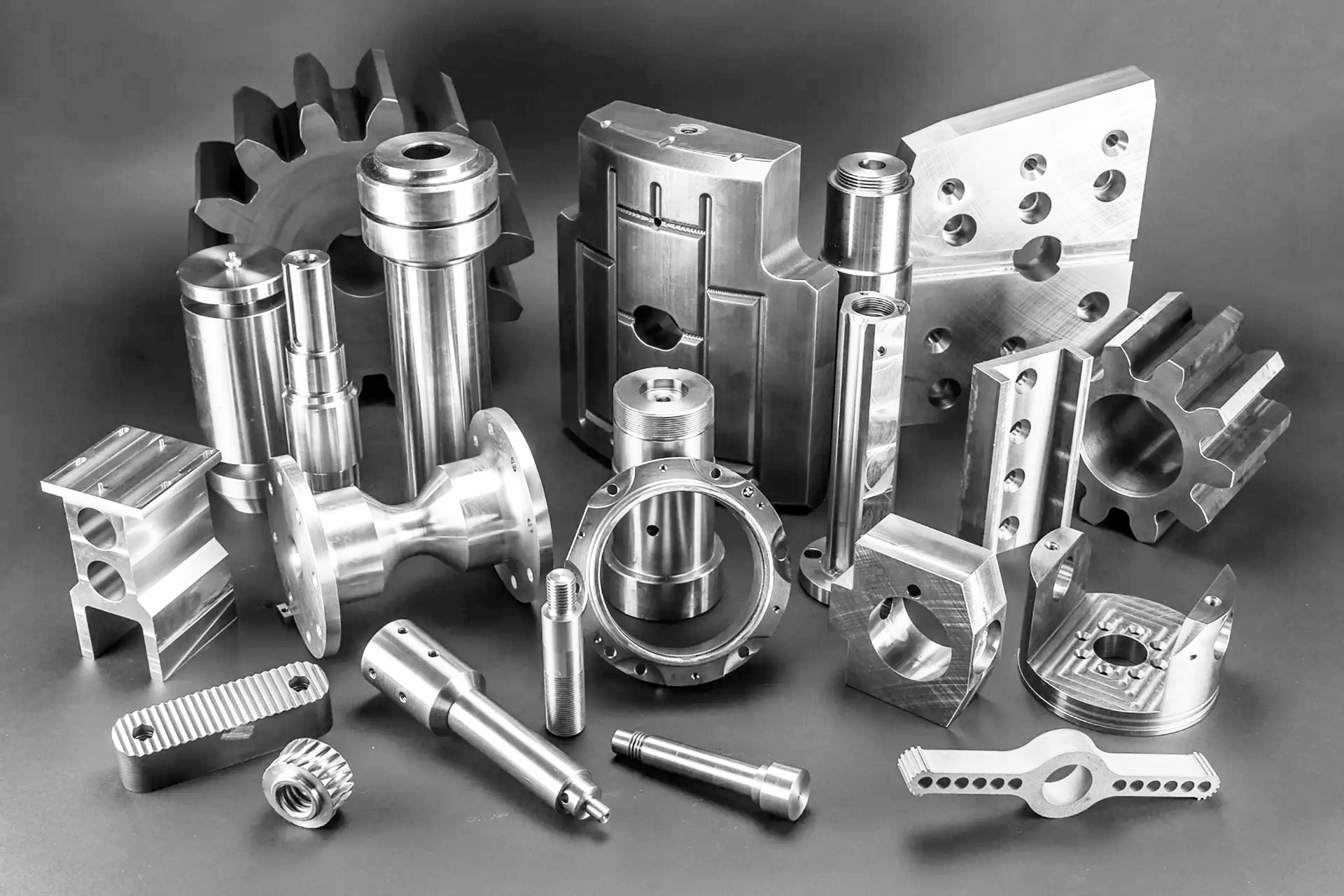
Products
Dongguan Mixiao New Material Technology Co., Ltd. was established in 2013 and is located in Changping Town, Dongguan City, the capital of manufacturing. It has strong independent development, design, and production capabilities, and produces products such as metal and non-metal product molds, automotive and motorcycle molds
-

Service
Dongguan Mixiao New Material Technology Co., Ltd. was established in 2013 and is located in Changping Town, Dongguan City, the capital of manufacturing. It has strong independent development, design, and production capabilities, and produces products such as metal and non-metal product molds, automotive and motorcycle molds
-

Blog
Dongguan Mixiao New Material Technology Co., Ltd. was established in 2013 and is located in Changping Town, Dongguan City, the capital of manufacturing. It has strong independent development, design, and production capabilities, and produces products such as metal and non-metal product molds, automotive and motorcycle molds
-

Contact us
Dongguan Mixiao New Material Technology Co., Ltd. was established in 2013 and is located in Changping Town, Dongguan City, the capital of manufacturing. It has strong independent development, design, and production capabilities, and produces products such as metal and non-metal product molds, automotive and motorcycle molds

3D Printing Nozzles: A Key Component in Modern Manufacturing Strategies
Release time:
Mar 13,2026
3D Printing Nozzles: A Key Component in Modern Manufacturing Strategies Table of Contents Introduction to 3D Printing Nozzles Types of 3D Printing Nozzles Materials Used in 3D Printing Nozzles Choosing the Right 3D Printing Nozzle: Best Practices Nozzle Size and Its Impact on Print Quality Maintenance and Care for 3D Printing Nozzles Common Issues with 3D Printing Nozz

3D Printing Nozzles: A Key Component in Modern Manufacturing Strategies
Table of Contents
- Introduction to 3D Printing Nozzles
- Types of 3D Printing Nozzles
- Materials Used in 3D Printing Nozzles
- Choosing the Right 3D Printing Nozzle: Best Practices
- Nozzle Size and Its Impact on Print Quality
- Maintenance and Care for 3D Printing Nozzles
- Common Issues with 3D Printing Nozzles and Their Solutions
- The Future of 3D Printing Nozzles in Manufacturing
- Conclusion
- FAQs about 3D Printing Nozzles
Introduction to 3D Printing Nozzles
In the realm of modern manufacturing, **3D printing technology** has emerged as a transformative force, reshaping how products are designed and produced. At the heart of this technology lies a pivotal component: the **3D printing nozzle**. This seemingly small part plays a critical role in determining the quality, speed, and efficiency of the printing process. Understanding the intricacies of 3D printing nozzles is essential for manufacturers looking to harness the full potential of **additive manufacturing**.
Types of 3D Printing Nozzles
3D printing nozzles come in various types, each designed for specific applications and materials. Here, we dive into the most common types of nozzles used in the industry:
Standard Nozzles
Standard nozzles are typically made from brass and are the most commonly used in FDM (Fused Deposition Modeling) 3D printers. They come in various diameters, allowing for flexibility in printing different layer thicknesses.
All-Metal Nozzles
All-metal nozzles, often made from stainless steel or hardened steel, are designed for high-temperature applications. They are ideal for printing with abrasive materials like carbon fiber-infused filaments.
Ruby Nozzles
Ruby nozzles feature a ruby tip, making them incredibly durable and resistant to wear. They are particularly effective for printing with abrasive materials, ensuring longevity and consistent print quality.
Specialty Nozzles
These nozzles are tailored for specific purposes, such as **dual extrusion** or **multi-material printing**. Specialty nozzles often incorporate unique designs to manage the complexities of different filament types.
Materials Used in 3D Printing Nozzles
The material of the nozzle affects its performance, longevity, and compatibility with various filaments. The following materials are commonly used in the manufacturing of 3D printing nozzles:
Brass
Brass is the most common material for standard nozzles due to its excellent thermal conductivity and affordability. However, brass nozzles are not suitable for abrasive filaments.
Stainless Steel
Stainless steel nozzles are more durable than brass and can withstand higher temperatures. They are ideal for printing with a wider range of materials, including some abrasive composites.
Hardened Steel
Hardened steel nozzles are specifically designed for high-volume production and for use with abrasive filaments. They provide extended wear resistance compared to brass and stainless steel options.
Ruby
Ruby-tipped nozzles are the premium choice for users looking for durability and precision when printing with abrasive materials. The ruby tip significantly reduces wear and maintains a consistent flow of filament.
Choosing the Right 3D Printing Nozzle: Best Practices
Selecting the right nozzle is crucial for achieving optimal results in 3D printing. Here are some best practices to consider:
Assess Your Printing Needs
Evaluate the types of materials you plan to use, the desired print quality, and the complexity of your projects. This assessment will guide you in choosing the right nozzle type and material.
Consider Nozzle Diameter
The diameter of the nozzle significantly influences the layer height and resolution of your prints. For finer details, a smaller diameter (0.2mm) is preferable, while larger diameters (0.4mm or 0.8mm) are better for faster prints with thicker layers.
Micro vs. Macro Printing
If your projects require intricate details, opt for a micro nozzle. Conversely, for larger prints requiring strength over detail, macro nozzles are more beneficial.
Material Compatibility
Ensure that the nozzle material is compatible with the filament you intend to use. For instance, use hardened steel nozzles for abrasive filaments and brass for standard PLA or ABS filaments.
Nozzle Size and Its Impact on Print Quality
The size of the nozzle significantly impacts both print quality and speed. A larger nozzle can extrude more filament at a faster rate, reducing print time, but may sacrifice detail. Conversely, smaller nozzles provide greater precision but may slow down the printing process.
Layer Height and Resolution
A smaller nozzle allows for thinner layers, resulting in a smoother finish and finer details. This is particularly important for intricate designs and models that require high resolution.
Print Speed Considerations
While larger nozzles can speed up the printing process, they might not be suitable for all designs. Balancing print speed and quality is essential, and experimenting with different sizes can lead to optimal results.
Maintenance and Care for 3D Printing Nozzles
Proper maintenance of 3D printing nozzles can prolong their lifespan and ensure consistent print quality. Here are some essential care tips:
Regular Cleaning
Clogged nozzles can lead to printing failures and reduced quality. Regular cleaning, using a cleaning filament or a specialized nozzle cleaning tool, is recommended to prevent buildup.
Temperature Calibration
Ensure the nozzle temperature is calibrated according to the filament used. Inconsistent temperatures can lead to poor extrusion and clogs.
Inspection for Wear
Regularly inspect nozzles for wear and tear, especially if using abrasive materials. Replacing worn nozzles promptly can prevent quality issues in prints.
Common Issues with 3D Printing Nozzles and Their Solutions
Even experienced users may encounter problems with 3D printing nozzles. Here are some common issues and how to address them:
Clogged Nozzles
A clogged nozzle is a frequent problem that can halt printing. To resolve this, heat the nozzle and use a cleaning filament or thin wire to clear the obstruction.
Inconsistent Filament Flow
Inconsistent flow can be caused by a dirty nozzle or incorrect temperature settings. Regular cleaning and ensuring correct temperature can help achieve smooth extrusion.
Layer Separation
Layer separation can occur due to insufficient adhesion or improper temperature settings. Adjusting the nozzle temperature or using adhesion aids can improve layer bonding.
The Future of 3D Printing Nozzles in Manufacturing
As technology advances, the future of 3D printing nozzles looks promising. Innovations in material science and nozzle design are paving the way for enhanced performance and versatility.
Smart Nozzles
The development of smart nozzles equipped with sensors can provide real-time feedback on printing conditions, facilitating better control over the printing process.
Customized Nozzles
Customized nozzles tailored to specific applications can enhance efficiency and precision. As manufacturers seek more specialized solutions, the demand for unique nozzle designs is likely to grow.
Conclusion
3D printing nozzles are indeed a **key component** in modern manufacturing strategies. Understanding their types, materials, and maintenance is crucial for optimizing the 3D printing process. By carefully selecting the right nozzle, manufacturers can enhance print quality, speed, and overall efficiency. As technology evolves, staying informed about new innovations in nozzle design will be essential for those looking to remain competitive in the ever-changing landscape of manufacturing.
FAQs about 3D Printing Nozzles
1. What is the purpose of a 3D printing nozzle?
The nozzle is responsible for extruding the filament during the 3D printing process, controlling the flow and determining the print quality.
2. How often should I replace my 3D printing nozzle?
Replacement frequency depends on the filament used and the amount of printing done. Typically, nozzles should be replaced every few months, especially if using abrasive materials.
3. Can I use a smaller nozzle for all types of prints?
While smaller nozzles provide better detail, they are not suitable for all prints, especially those requiring higher speed and thickness. Choosing the right size depends on the specific project requirements.
4. What materials are safe to use with brass nozzles?
Brass nozzles work well with standard filaments like PLA and ABS. However, they are not recommended for abrasive filaments.
5. How do I know if my nozzle is clogged?
Signs of a clogged nozzle include inconsistent extrusion, under-extrusion, or complete cessation of filament flow. Regular checks and maintenance can help avoid these issues.

SAF Coolest v1.3.1.2 设置面板 GAGSD-ZGYF-JVZFE-ASQ
无数据提示
Sorry, the current column is being updated, please look forward to it!
You can view other columns or returnHome Page