
-

About Us
Dongguan Mixiao New Material Technology Co., Ltd. was established in 2013 and is located in Changping Town, Dongguan City, the capital of manufacturing. It has strong independent development, design, and production capabilities, and produces products such as metal and non-metal product molds, automotive and motorcycle molds
-
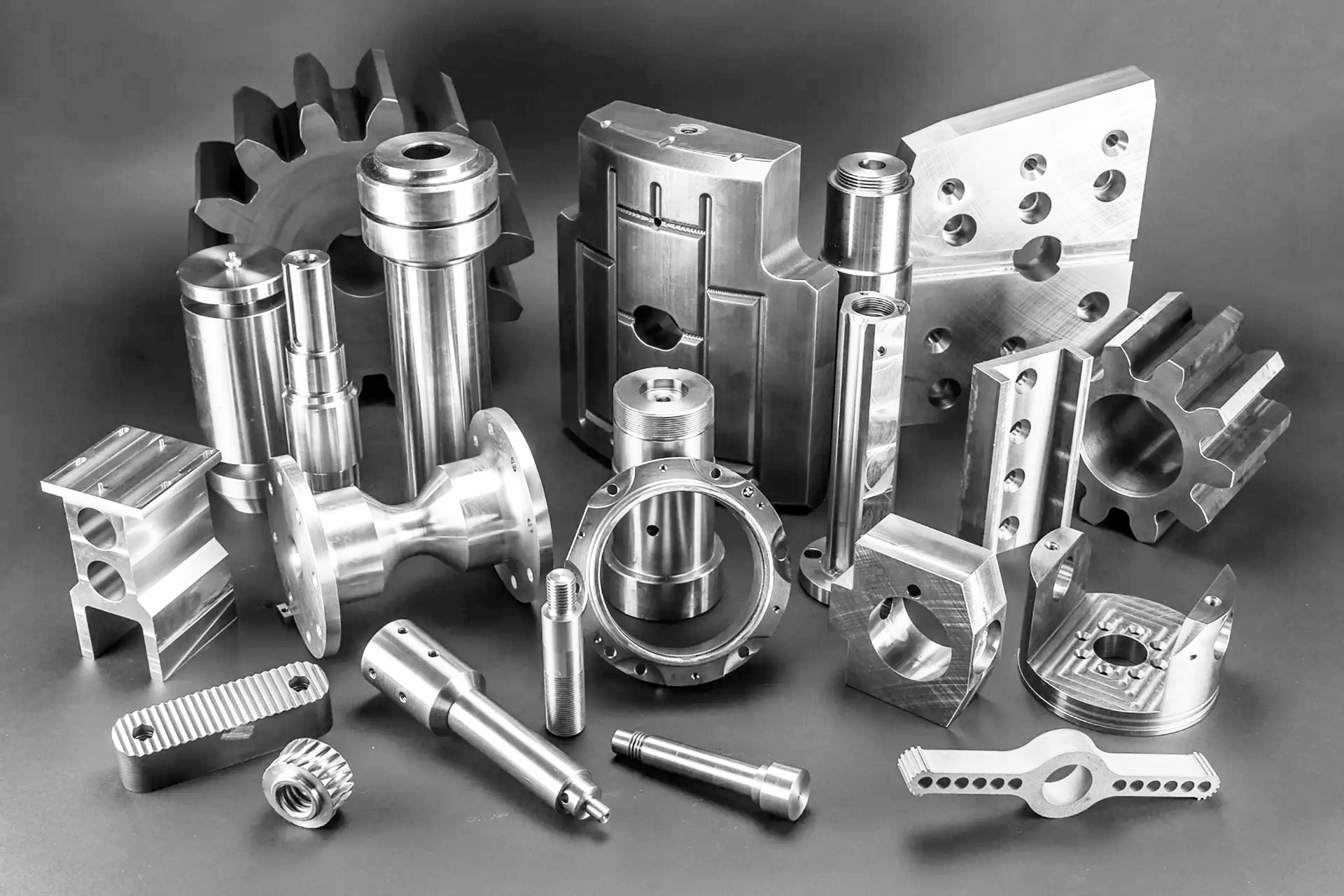
Products
Dongguan Mixiao New Material Technology Co., Ltd. was established in 2013 and is located in Changping Town, Dongguan City, the capital of manufacturing. It has strong independent development, design, and production capabilities, and produces products such as metal and non-metal product molds, automotive and motorcycle molds
-

Service
Dongguan Mixiao New Material Technology Co., Ltd. was established in 2013 and is located in Changping Town, Dongguan City, the capital of manufacturing. It has strong independent development, design, and production capabilities, and produces products such as metal and non-metal product molds, automotive and motorcycle molds
-

Blog
Dongguan Mixiao New Material Technology Co., Ltd. was established in 2013 and is located in Changping Town, Dongguan City, the capital of manufacturing. It has strong independent development, design, and production capabilities, and produces products such as metal and non-metal product molds, automotive and motorcycle molds
-

Contact us
Dongguan Mixiao New Material Technology Co., Ltd. was established in 2013 and is located in Changping Town, Dongguan City, the capital of manufacturing. It has strong independent development, design, and production capabilities, and produces products such as metal and non-metal product molds, automotive and motorcycle molds

Understanding the Role of Engraving Knives in Manufacturing Processes
Release time:
Mar 08,2026
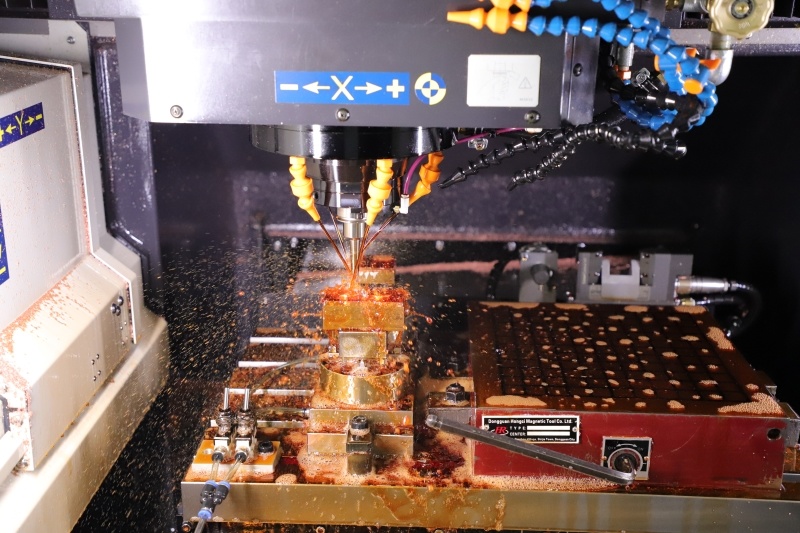
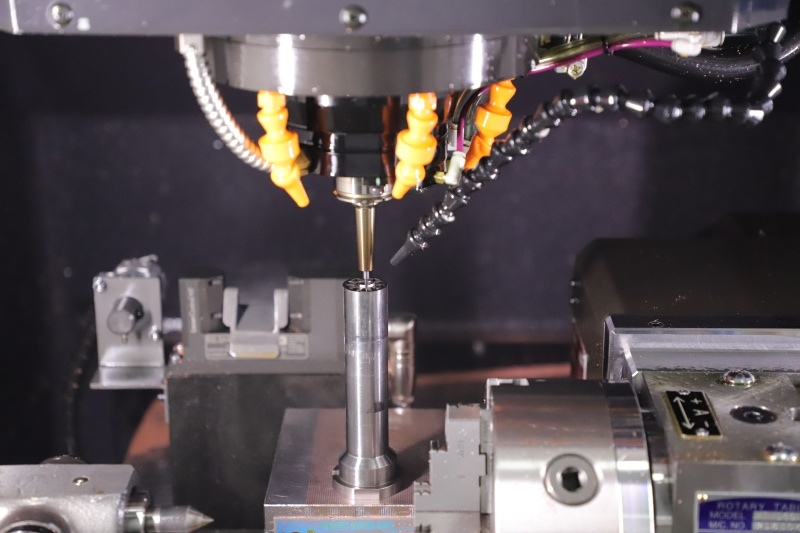
Engraving knives are specialized cutting tools designed for intricate detailing and precision carving. They are commonly used in various manufacturing applications, particularly in mold making, die-casting, and forging molds. Their primary function is to create detailed engravings on metal and other materials, ensuring that the final products meet stringent quality standards. The design of an engr

The design of an engraving knife typically includes a sharp blade with an angled edge, allowing for fine control during the engraving process. This characteristic is vital in industries where detail work is paramount. For instance, in mold production, the engraving knife enables manufacturers to create complex patterns and designs that are essential for the functionality and aesthetics of the final mold.
In the context of die-casting and forging molds, the use of engraving knives can significantly impact the efficiency of production. By allowing for precise engravings, these knives help in reducing the need for additional finishing processes. This not only saves time but also minimizes material waste, contributing to a more sustainable manufacturing approach.
When selecting an engraving knife for manufacturing applications, several factors should be considered. First, the type of material being engraved is crucial. Different materials, whether they are metals, plastics, or composites, may require specific knife formulations to achieve optimal results. Additionally, the desired depth and intricacy of the engraving will influence the choice of knife. For example, deeper engravings may necessitate a knife with a stronger and more durable blade, while finer details may require a more delicate edge.
Another aspect to consider is the maintenance and care of engraving knives. Regular sharpening and proper storage can significantly extend the life of these tools, ensuring that they continue to perform effectively. Manufacturers are encouraged to implement systematic maintenance schedules to ensure their engraving knives remain in top condition.
In conclusion, engraving knives are indispensable tools in the manufacturing sector, particularly in the fields of mold making, die-casting, and forging. Their ability to produce intricate designs with high precision not only enhances product quality but also contributes to operational efficiency. By understanding the capabilities and proper handling of engraving knives, manufacturers can optimize their production processes and achieve superior results.

SAF Coolest v1.3.1.2 设置面板 GAGSD-ZGYF-JVZFE-ASQ
无数据提示
Sorry, the current column is being updated, please look forward to it!
You can view other columns or returnHome Page