
-

About Us
Dongguan Mixiao New Material Technology Co., Ltd. was established in 2013 and is located in Changping Town, Dongguan City, the capital of manufacturing. It has strong independent development, design, and production capabilities, and produces products such as metal and non-metal product molds, automotive and motorcycle molds
-
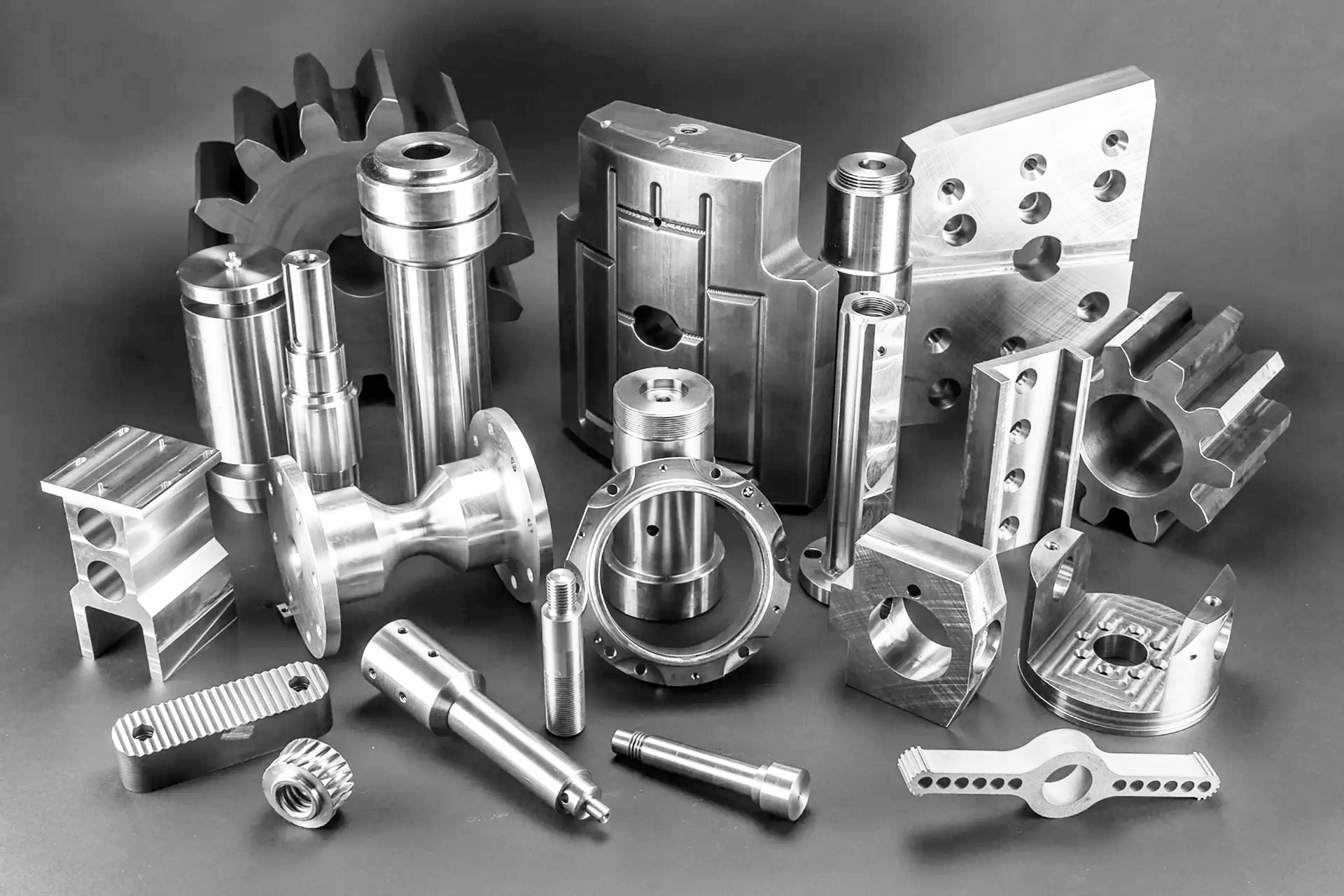
Products
Dongguan Mixiao New Material Technology Co., Ltd. was established in 2013 and is located in Changping Town, Dongguan City, the capital of manufacturing. It has strong independent development, design, and production capabilities, and produces products such as metal and non-metal product molds, automotive and motorcycle molds
-

Service
Dongguan Mixiao New Material Technology Co., Ltd. was established in 2013 and is located in Changping Town, Dongguan City, the capital of manufacturing. It has strong independent development, design, and production capabilities, and produces products such as metal and non-metal product molds, automotive and motorcycle molds
-

Blog
Dongguan Mixiao New Material Technology Co., Ltd. was established in 2013 and is located in Changping Town, Dongguan City, the capital of manufacturing. It has strong independent development, design, and production capabilities, and produces products such as metal and non-metal product molds, automotive and motorcycle molds
-

Contact us
Dongguan Mixiao New Material Technology Co., Ltd. was established in 2013 and is located in Changping Town, Dongguan City, the capital of manufacturing. It has strong independent development, design, and production capabilities, and produces products such as metal and non-metal product molds, automotive and motorcycle molds

Innovative Techniques for Utilizing Hard Alloy Sawtooth in Manufacturing
Release time:
Mar 07,2026
Innovative Techniques for Utilizing Hard Alloy Sawtooth in Manufacturing Table of Contents 1. Introduction to Hard Alloy Sawtooth Technology 2. Benefits of Hard Alloy Sawtooth in Manufacturing 3. Applications of Hard Alloy Sawtooth in Different Industries 4. Key Manufacturing Processes Utilizing Hard Alloy Sawtooth 5. Innovative Techniques for Implementing Hard Alloy Sawtooth 6. Chall

Innovative Techniques for Utilizing Hard Alloy Sawtooth in Manufacturing
Table of Contents
- 1. Introduction to Hard Alloy Sawtooth Technology
- 2. Benefits of Hard Alloy Sawtooth in Manufacturing
- 3. Applications of Hard Alloy Sawtooth in Different Industries
- 4. Key Manufacturing Processes Utilizing Hard Alloy Sawtooth
- 5. Innovative Techniques for Implementing Hard Alloy Sawtooth
- 6. Challenges in Utilizing Hard Alloy Sawtooth
- 7. Future Trends in Hard Alloy Sawtooth Technology
- 8. Conclusion
- 9. Frequently Asked Questions (FAQs)
1. Introduction to Hard Alloy Sawtooth Technology
In the rapidly evolving world of manufacturing, the quest for **precision** and **efficiency** has led to the development of innovative materials and techniques. Among these advancements, **hard alloy sawtooth technology** stands out as a game-changer. This technology utilizes specialized sawtooth patterns made from hard alloys, providing enhanced durability and performance in cutting and shaping materials. The unique geometry and material composition of hard alloy sawtooth blades enable manufacturers to achieve superior results, particularly in environments where traditional tools fall short.
2. Benefits of Hard Alloy Sawtooth in Manufacturing
The incorporation of hard alloy sawtooth technology in manufacturing processes comes with a plethora of benefits, setting it apart from conventional methods:
2.1 Increased Durability
Hard alloys are known for their **superior wear resistance**. The sawtooth design enhances this property, allowing tools to maintain their cutting edge longer than traditional blades. This durability translates into reduced downtime and lower maintenance costs.
2.2 Enhanced Cutting Performance
The sharp, serrated edges of hard alloy sawtooth blades provide efficient cutting, enabling manufacturers to achieve **cleaner cuts** with less force. This is particularly beneficial in industries requiring high precision, such as aerospace and automotive manufacturing.
2.3 Cost Efficiency
While the initial investment in hard alloy sawtooth technology may be higher, the long-term savings are significant. Reduced tool replacement frequency, improved cutting speeds, and lower energy consumption all contribute to a more cost-effective manufacturing process.
2.4 Versatility in Applications
Hard alloy sawtooth technology can be applied across various industries, from metalworking to woodworking. This versatility allows manufacturers to utilize the same technology in multiple settings, simplifying inventory management and training.
3. Applications of Hard Alloy Sawtooth in Different Industries
The versatility of hard alloy sawtooth technology allows it to be utilized in a wide range of applications. Here are several key industries that benefit from this innovative technology:
3.1 Metalworking Industry
In the metalworking industry, hard alloy sawtooth blades are used for cutting, shaping, and finishing metals. Their ability to withstand high temperatures and resist abrasive wear makes them ideal for tasks such as **metal fabrication** and **sheet metal cutting**.
3.2 Woodworking Industry
Woodworking benefits from the precision cutting capabilities of hard alloy sawtooth technology. These blades can handle various wood types, producing clean and accurate cuts necessary for **furniture manufacturing** and **cabinet making**.
3.3 Aerospace Manufacturing
The aerospace industry demands high precision and reliability, making hard alloy sawtooth technology essential. Its ability to provide consistent performance is crucial for components that require strict tolerances and surface finishes.
3.4 Automotive Sector
In automotive manufacturing, hard alloy sawtooth blades are commonly used for cutting and shaping materials such as aluminum and steel. Their efficiency contributes to faster production rates and improved quality control.
4. Key Manufacturing Processes Utilizing Hard Alloy Sawtooth
Integrating hard alloy sawtooth technology into manufacturing processes enhances overall productivity. Here are some core processes that leverage this technology:
4.1 CNC Machining
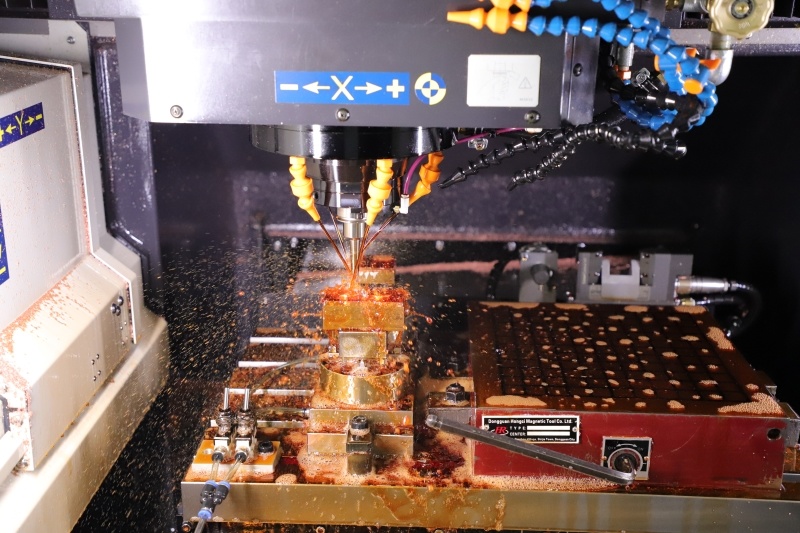
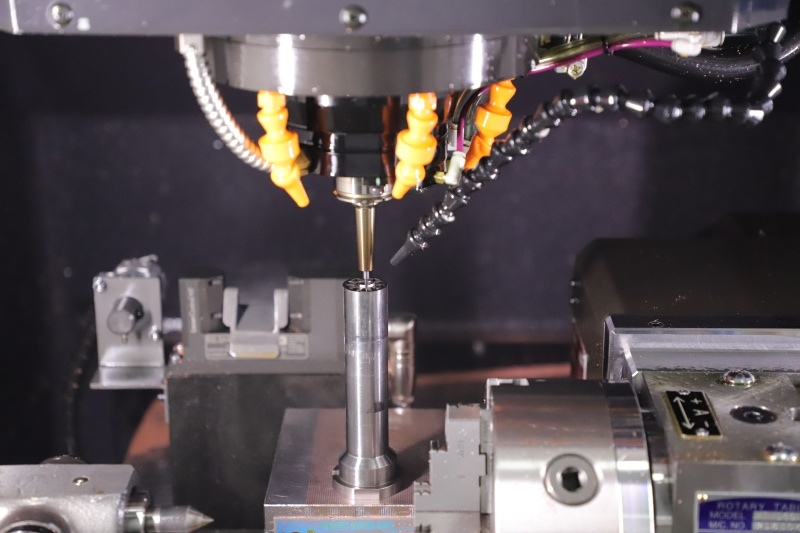
CNC (Computer Numerical Control) machining is a process that benefits significantly from hard alloy sawtooth blades. The precision cutting capabilities allow for intricate designs and complex shapes, ensuring high-quality outcomes.
4.2 Laser Cutting
In laser cutting applications, hard alloy sawtooth can be utilized as part of the cutting head assembly. The combination of laser and sawtooth technology results in enhanced cutting speeds and accuracy, reducing waste and production time.
4.3 Die Cutting
Die cutting involves cutting shapes from materials using a die. Hard alloy sawtooth technology improves the longevity and effectiveness of dies, ensuring consistent performance during high-volume production runs.
5. Innovative Techniques for Implementing Hard Alloy Sawtooth
As industries evolve, so too do the techniques for utilizing hard alloy sawtooth technology. Here are some innovative methods currently shaping the manufacturing landscape:
5.1 Hybrid Manufacturing Techniques
Combining traditional methods with modern technology can yield exceptional results. Hybrid manufacturing techniques that incorporate hard alloy sawtooth alongside additive manufacturing or 3D printing can create complex components with enhanced properties.
5.2 Surface Treatments and Coatings
Applying advanced surface treatments or coatings to hard alloy sawtooth blades can further enhance their durability and performance. Techniques such as **nitride hardening** or **diamond coatings** can significantly improve wear resistance.
5.3 Smart Manufacturing Integration
Integrating hard alloy sawtooth technology within smart manufacturing frameworks allows for real-time monitoring and optimization. By utilizing **IoT (Internet of Things)** devices, manufacturers can track tool performance and make data-driven decisions to enhance production efficiency.
6. Challenges in Utilizing Hard Alloy Sawtooth
While the benefits of hard alloy sawtooth technology are significant, there are challenges that manufacturers must navigate:
6.1 Initial Investment Costs
The upfront costs associated with acquiring hard alloy sawtooth tools can be a barrier for some manufacturers. However, the long-term savings often justify the initial expenditure.
6.2 Skill Requirements
Implementing hard alloy technology may require specialized training for operators. Ensuring that staff are adequately equipped to handle new tools and techniques is essential for maximizing the benefits.
6.3 Supply Chain Considerations
Sourcing high-quality hard alloy materials can be challenging, especially in regions with limited access to suppliers. Manufacturers must establish reliable supply chains to ensure consistent quality and availability.
7. Future Trends in Hard Alloy Sawtooth Technology
The future of hard alloy sawtooth technology is bright, with several trends on the horizon:
7.1 Advancements in Material Science
As material science continues to evolve, new alloys with enhanced properties will emerge. These advancements may lead to even greater performance from hard alloy sawtooth blades, pushing the boundaries of what is possible in manufacturing.
7.2 Increased Automation
The integration of automation in manufacturing processes will likely increase the demand for hard alloy sawtooth technology. Automated systems require tools that can perform consistently under varying conditions, making hard alloy sawtooth an attractive option.
7.3 Sustainability Initiatives
As industries become more focused on sustainability, the demand for durable tools that reduce waste will grow. Hard alloy sawtooth technology aligns with these initiatives by minimizing material waste and extending tool life.
8. Conclusion
In conclusion, the innovative techniques for utilizing hard alloy sawtooth technology in manufacturing represent a significant leap forward in precision and efficiency. The benefits of increased durability, enhanced cutting performance, and cost efficiency make it an attractive option for various industries. As manufacturers continue to explore new applications and techniques, the possibilities for hard alloy sawtooth technology are vast. Embracing these advancements will not only improve production processes but also set the stage for future innovations in the manufacturing sector.
9. Frequently Asked Questions (FAQs)
1. What are hard alloy sawtooth blades made of?
Hard alloy sawtooth blades are primarily composed of hard metals such as tungsten carbide or high-speed steel, designed to withstand wear and heat.
2. How do hard alloy sawtooth blades improve cutting performance?
The unique sawtooth design allows for more efficient cutting by distributing force evenly across the blade and reducing friction, resulting in cleaner, faster cuts.
3. Are hard alloy sawtooth blades suitable for all materials?
While they are versatile and can cut through various materials, the suitability depends on the specific hardness and properties of the material being processed.
4. What maintenance is required for hard alloy sawtooth tools?
Regular inspection for wear, proper cleaning, and timely sharpening or replacement can help maintain the performance of hard alloy sawtooth tools.
5. Can hard alloy sawtooth technology be integrated with CNC machines?
Yes, hard alloy sawtooth blades are highly compatible with CNC machines and can enhance their performance by providing better cutting precision and speed.

SAF Coolest v1.3.1.2 设置面板 GAGSD-ZGYF-JVZFE-ASQ
无数据提示
Sorry, the current column is being updated, please look forward to it!
You can view other columns or returnHome Page