
-

About Us
Dongguan Mixiao New Material Technology Co., Ltd. was established in 2013 and is located in Changping Town, Dongguan City, the capital of manufacturing. It has strong independent development, design, and production capabilities, and produces products such as metal and non-metal product molds, automotive and motorcycle molds
-
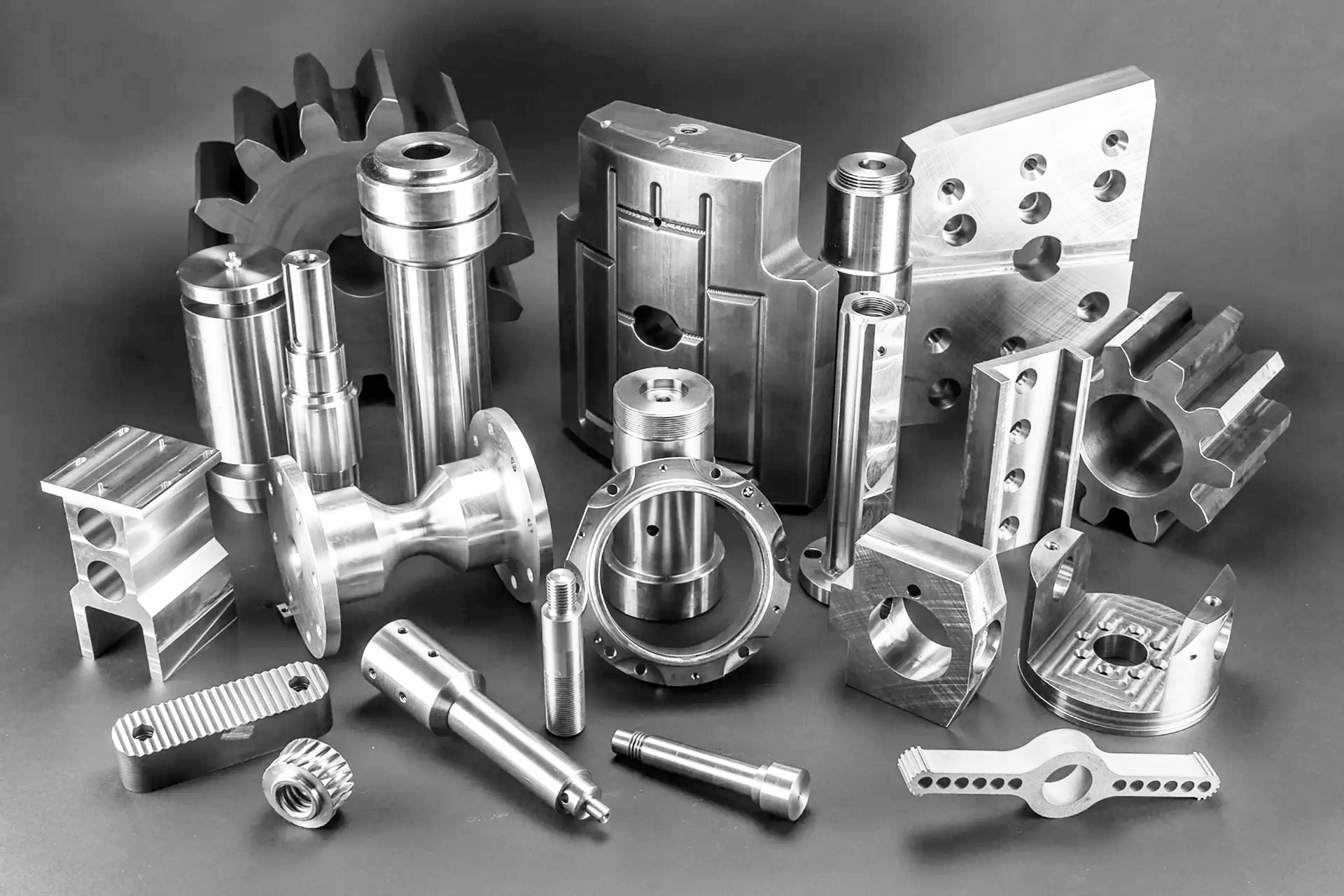
Products
Dongguan Mixiao New Material Technology Co., Ltd. was established in 2013 and is located in Changping Town, Dongguan City, the capital of manufacturing. It has strong independent development, design, and production capabilities, and produces products such as metal and non-metal product molds, automotive and motorcycle molds
-

Service
Dongguan Mixiao New Material Technology Co., Ltd. was established in 2013 and is located in Changping Town, Dongguan City, the capital of manufacturing. It has strong independent development, design, and production capabilities, and produces products such as metal and non-metal product molds, automotive and motorcycle molds
-

Blog
Dongguan Mixiao New Material Technology Co., Ltd. was established in 2013 and is located in Changping Town, Dongguan City, the capital of manufacturing. It has strong independent development, design, and production capabilities, and produces products such as metal and non-metal product molds, automotive and motorcycle molds
-

Contact us
Dongguan Mixiao New Material Technology Co., Ltd. was established in 2013 and is located in Changping Town, Dongguan City, the capital of manufacturing. It has strong independent development, design, and production capabilities, and produces products such as metal and non-metal product molds, automotive and motorcycle molds

The Role of 3D Printing Nozzles in Rapid Prototyping and Production
Release time:
Mar 05,2026
The Role of 3D Printing Nozzles in Rapid Prototyping and Production Introduction: Understanding 3D Printing Nozzles In the realm of **advanced manufacturing**, 3D printing has emerged as a game-changer, particularly in **rapid prototyping** and production. At the heart of this transformative technology lies an often-overlooked component: the **3D printing nozzle**. This seemingly small device play

The Role of 3D Printing Nozzles in Rapid Prototyping and Production
Introduction: Understanding 3D Printing Nozzles
In the realm of **advanced manufacturing**, 3D printing has emerged as a game-changer, particularly in **rapid prototyping** and production. At the heart of this transformative technology lies an often-overlooked component: the **3D printing nozzle**. This seemingly small device plays a critical role in determining the quality, speed, and precision of 3D printed parts. Understanding the function and variety of 3D printing nozzles is essential for anyone looking to leverage this technology effectively.
Table of Contents
- 1. Overview of 3D Printing Technology
- 2. Importance of 3D Printing Nozzles in Manufacturing
- 3. Different Types of 3D Printing Nozzles
- 4. Nozzle Diameter and Its Impact on Print Quality
- 5. Maintaining Your 3D Printing Nozzles
- 6. Choosing the Right Nozzle for Your Projects
- 7. The Future of 3D Printing Nozzles in Manufacturing
- 8. Conclusion
- 9. FAQs
1. Overview of 3D Printing Technology
3D printing, also known as **additive manufacturing**, allows for the creation of three-dimensional objects from a digital file. This process involves layering materials, such as plastics, metals, or ceramics, to build up the final product. The technology has revolutionized prototyping, enabling designers and engineers to iterate rapidly and produce complex geometries that were previously impossible or prohibitively expensive to manufacture.
2. Importance of 3D Printing Nozzles in Manufacturing
The nozzle is a crucial component in the 3D printing process, responsible for extruding the printing material into precise shapes and layers. Its design influences various factors, from the **speed of printing** to the **resolution** and **strength** of the final product. A well-chosen nozzle can enhance **production efficiency**, reduce material waste, and improve the overall quality of printed prototypes and products.
3. Different Types of 3D Printing Nozzles
Choosing the right nozzle can significantly impact the outcome of your 3D printing projects. There are several types of nozzles available, each suited for specific applications.
3.1 Standard Nozzles
Standard nozzles are typically made from brass and come in various diameters, most commonly ranging from 0.2mm to 1.2mm. These nozzles are suitable for general-purpose printing and can handle a wide range of filament types. However, they may not be ideal for specialized applications requiring unique material properties or extreme precision.
3.2 Specialized Nozzles
Specialized nozzles are designed for specific tasks. For example, hardened steel nozzles are used for abrasive materials, while wide nozzles are employed for high-speed printing of large objects. Understanding the specific requirements of your project can help you select the right specialized nozzle.
3.3 Nozzle Materials
The material used for the nozzle can also affect performance. Common materials include:
- **Brass**: Ideal for general use but can wear out quickly with abrasive filaments.
- **Stainless Steel**: Offers better durability and is suitable for food-safe applications.
- **Hardened Steel**: Designed for high wear resistance, perfect for abrasive materials.
- **Ceramic**: Provides excellent thermal stability but can be brittle.
4. Nozzle Diameter and Its Impact on Print Quality
The diameter of the nozzle directly influences the **layer height** and **print speed**. A smaller nozzle diameter allows for finer details and smoother surfaces, making it ideal for intricate designs. Conversely, a larger diameter can extrude more material at once, significantly speeding up the print time for larger parts.
Choosing the appropriate nozzle size is crucial for achieving the desired balance between detail and efficiency. For instance, a 0.4mm nozzle is a versatile choice for most applications, while a 0.2mm nozzle may be better suited for detailed prototypes.
5. Maintaining Your 3D Printing Nozzles
Proper maintenance of 3D printing nozzles is essential for ensuring consistent print quality and prolonging their lifespan. Here are some maintenance tips:
- **Regular Cleaning**: Clogs can severely impact performance. Use a cleaning filament or a needle to clear any blockages.
- **Temperature Checks**: Ensure that the nozzle is maintained at the appropriate temperature for the material being used, preventing degradation and clogs.
- **Inspection**: Regularly check for wear and tear. Replace nozzles that show significant signs of damage.
6. Choosing the Right Nozzle for Your Projects
Selecting the appropriate nozzle involves considering several factors, including the type of material you will use, the desired print speed, and the detail required. Here are some factors to consider:
- **Material Compatibility**: Ensure the nozzle is suitable for the filament type, especially when using specialty or composite materials.
- **Print Resolution Needs**: Determine the level of detail required for your project and choose a nozzle size accordingly.
- **Production Speed Requirements**: Consider the trade-off between speed and quality. Larger nozzles can enhance speed but may compromise detail.
7. The Future of 3D Printing Nozzles in Manufacturing
As 3D printing technology continues to evolve, so do the capabilities of printing nozzles. Innovations in materials and designs are leading to nozzles that can handle a broader range of materials, including metals and bio-materials, and improve printing speeds and efficiencies.
With the integration of **smart technology**, future 3D printing nozzles may feature sensors that monitor performance and provide real-time feedback, enabling manufacturers to optimize their processes further. This evolution will significantly enhance the role of nozzles in both prototyping and high-volume production applications.
8. Conclusion
The importance of 3D printing nozzles in the domains of **rapid prototyping** and **production** cannot be overstated. They are essential components that directly impact print quality, efficiency, and the overall effectiveness of the additive manufacturing process. By understanding the various types of nozzles, their maintenance, and their future developments, manufacturers can optimize their 3D printing efforts. This not only enhances production capabilities but also leads to better quality products, ultimately driving innovation across various industries.
9. FAQs
1. What is the typical lifespan of a 3D printing nozzle?
The lifespan of a 3D printing nozzle varies based on the material used and the frequency of use, but they generally last between 50 to 100 hours of printing. Harder materials can wear them out faster.
2. Can I use different nozzle sizes on the same printer?
Yes, most 3D printers allow you to swap out nozzles of varying sizes. However, you should adjust your slicer settings accordingly to account for the changes in layer height and print speed.
3. What should I do if my nozzle gets clogged?
If your nozzle becomes clogged, try cleaning it with a needle, or using a cleaning filament designed for that purpose. For severe clogs, you may need to remove the nozzle and soak it in a suitable solvent.
4. Does the type of filament affect my choice of nozzle?
Yes, the type of filament significantly affects nozzle choice. For example, abrasive filaments require hardened steel nozzles, while flexible filaments may benefit from larger, more forgiving nozzle openings.
5. Are there nozzles specifically designed for high-speed printing?
Yes, there are specialized nozzles designed for high-speed printing, typically featuring larger diameters for faster extrusion rates. These nozzles may compromise some detail but are excellent for rapid production tasks.

SAF Coolest v1.3.1.2 设置面板 GAGSD-ZGYF-JVZFE-ASQ
无数据提示
Sorry, the current column is being updated, please look forward to it!
You can view other columns or returnHome Page