
-

About Us
Dongguan Mixiao New Material Technology Co., Ltd. was established in 2013 and is located in Changping Town, Dongguan City, the capital of manufacturing. It has strong independent development, design, and production capabilities, and produces products such as metal and non-metal product molds, automotive and motorcycle molds
-
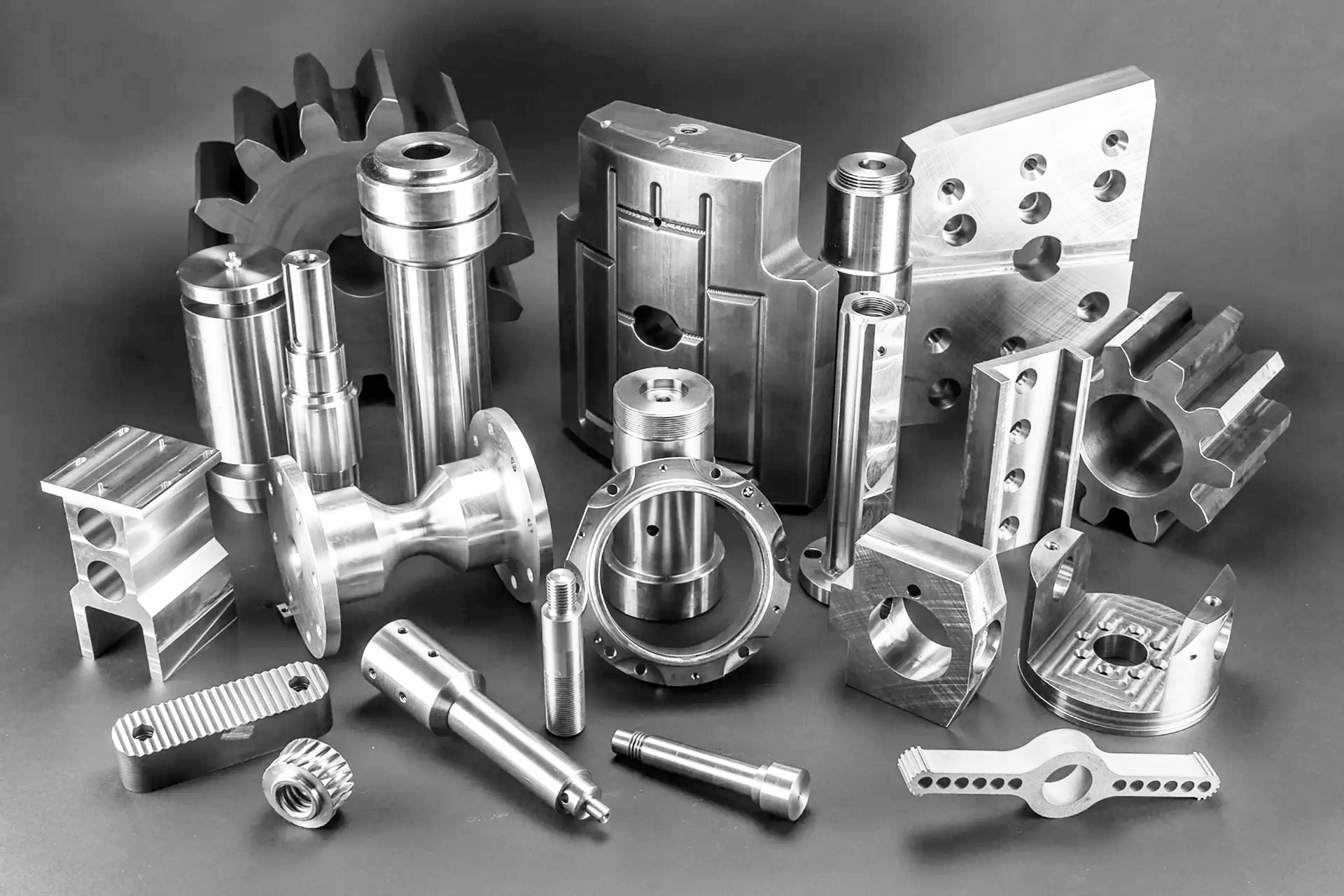
Products
Dongguan Mixiao New Material Technology Co., Ltd. was established in 2013 and is located in Changping Town, Dongguan City, the capital of manufacturing. It has strong independent development, design, and production capabilities, and produces products such as metal and non-metal product molds, automotive and motorcycle molds
-

Service
Dongguan Mixiao New Material Technology Co., Ltd. was established in 2013 and is located in Changping Town, Dongguan City, the capital of manufacturing. It has strong independent development, design, and production capabilities, and produces products such as metal and non-metal product molds, automotive and motorcycle molds
-

Blog
Dongguan Mixiao New Material Technology Co., Ltd. was established in 2013 and is located in Changping Town, Dongguan City, the capital of manufacturing. It has strong independent development, design, and production capabilities, and produces products such as metal and non-metal product molds, automotive and motorcycle molds
-

Contact us
Dongguan Mixiao New Material Technology Co., Ltd. was established in 2013 and is located in Changping Town, Dongguan City, the capital of manufacturing. It has strong independent development, design, and production capabilities, and produces products such as metal and non-metal product molds, automotive and motorcycle molds

Understanding Diamond Segments in Manufacturing and Processing Tools
Release time:
Mar 04,2026
Diamond segments are specialized tools used in various manufacturing and processing applications, particularly in the production of molds for die casting and forging. These segments are composed of diamond particles bonded together with a metal matrix, creating a durable and efficient cutting or grinding tool. The unique properties of diamond make these segments particularly advantageous in high-p

One of the primary benefits of diamond segments is their exceptional hardness. Diamond is the hardest natural material known, which allows these segments to cut through tough materials with ease. In industries where precision and quality are paramount, such as die casting and forging, the use of diamond segments ensures a high level of accuracy and surface finish. This is crucial for producing molds that meet stringent specifications and performance standards.
In addition to their hardness, diamond segments exhibit excellent thermal conductivity. This property is vital in high-speed machining applications, where excessive heat can lead to tool wear and reduced performance. By dissipating heat effectively, diamond segments help maintain optimal cutting conditions, thereby extending the tool's lifespan and reducing downtime for replacements.
The versatility of diamond segments is another key aspect worth noting. They can be manufactured in various shapes and sizes to accommodate different machining requirements. Whether it’s for cutting, grinding, or polishing, diamond segments can be tailored to fit specific applications, making them an invaluable asset in any manufacturing operation. This adaptability also allows manufacturers to optimize their processes, leading to increased efficiency and productivity.
Furthermore, the use of diamond segments can result in improved material removal rates, which is a critical factor in competitive manufacturing environments. Higher removal rates contribute to quicker turnaround times and can significantly enhance the overall output of production lines. Consequently, businesses can achieve greater profitability while maintaining high-quality standards.
However, it is essential to consider the right type of diamond segment for specific applications. Factors such as the material being processed, the type of operation (cutting, grinding, etc.), and the desired finish must be taken into account when selecting diamond segments. Proper selection not only ensures optimal performance but also maximizes the return on investment.
In conclusion, diamond segments are a vital component in the manufacturing and processing machinery sector, particularly for die casting and forging molds. Their unmatched hardness, thermal conductivity, and adaptability make them indispensable tools that enhance productivity and quality. By understanding the properties and applications of diamond segments, professionals in the industry can make informed decisions that drive success in their operations.

SAF Coolest v1.3.1.2 设置面板 GAGSD-ZGYF-JVZFE-ASQ
无数据提示
Sorry, the current column is being updated, please look forward to it!
You can view other columns or returnHome Page