
-

About Us
Dongguan Mixiao New Material Technology Co., Ltd. was established in 2013 and is located in Changping Town, Dongguan City, the capital of manufacturing. It has strong independent development, design, and production capabilities, and produces products such as metal and non-metal product molds, automotive and motorcycle molds
-
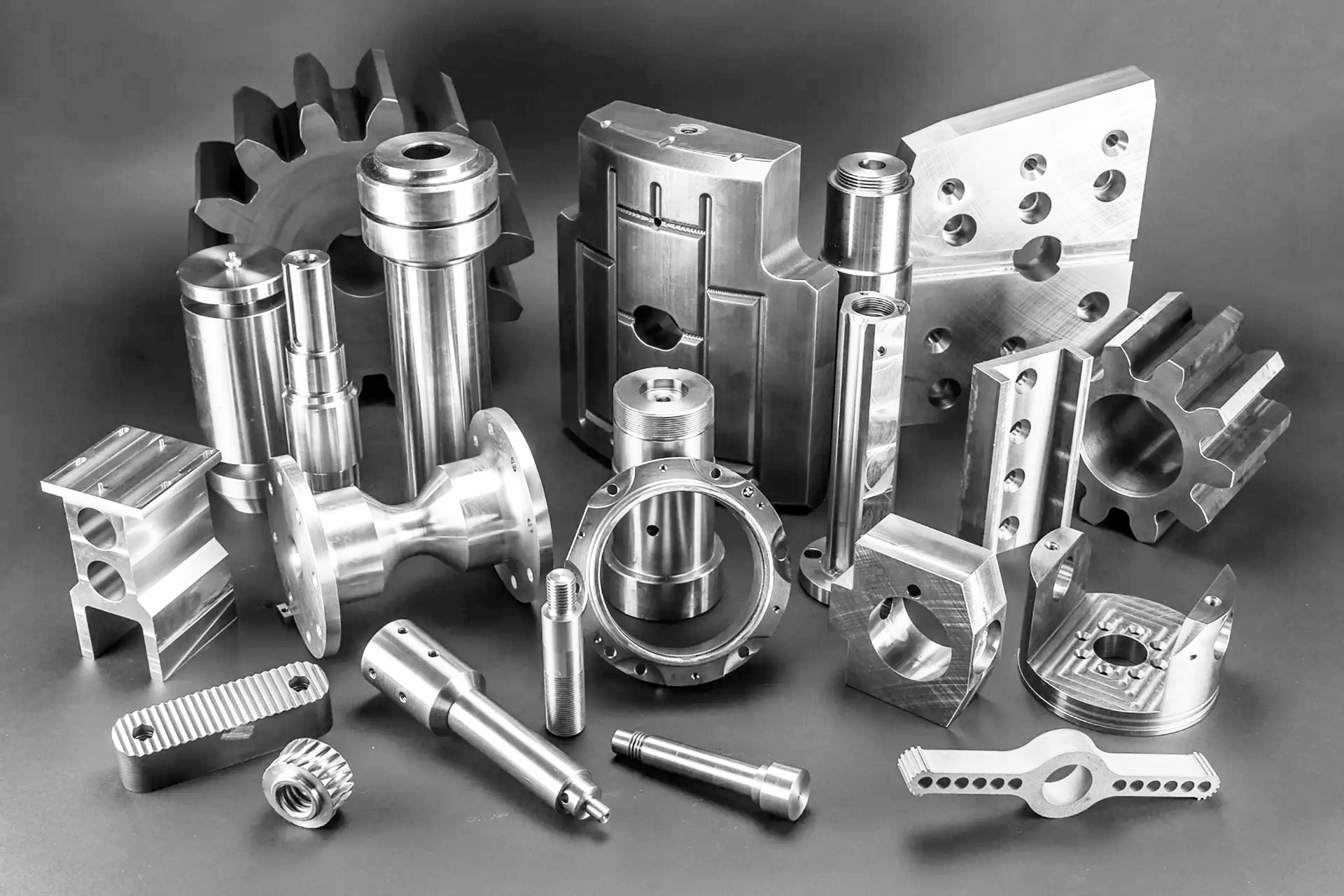
Products
Dongguan Mixiao New Material Technology Co., Ltd. was established in 2013 and is located in Changping Town, Dongguan City, the capital of manufacturing. It has strong independent development, design, and production capabilities, and produces products such as metal and non-metal product molds, automotive and motorcycle molds
-

Service
Dongguan Mixiao New Material Technology Co., Ltd. was established in 2013 and is located in Changping Town, Dongguan City, the capital of manufacturing. It has strong independent development, design, and production capabilities, and produces products such as metal and non-metal product molds, automotive and motorcycle molds
-

Blog
Dongguan Mixiao New Material Technology Co., Ltd. was established in 2013 and is located in Changping Town, Dongguan City, the capital of manufacturing. It has strong independent development, design, and production capabilities, and produces products such as metal and non-metal product molds, automotive and motorcycle molds
-

Contact us
Dongguan Mixiao New Material Technology Co., Ltd. was established in 2013 and is located in Changping Town, Dongguan City, the capital of manufacturing. It has strong independent development, design, and production capabilities, and produces products such as metal and non-metal product molds, automotive and motorcycle molds

From Design to Production: The Journey of Glass Cutter Wheels
Release time:
Mar 03,2026
From Design to Production: The Journey of Glass Cutter Wheels Table of Contents Introduction to Glass Cutter Wheels The Importance of Quality in Glass Cutter Wheels The Design Process of Glass Cutter Wheels Materials Used in Manufacturing Glass Cutter Wheels Manufacturing Techniques for Glass Cutter Wheels Quality Control Measures in Production Recent Innovations in Glass Cutter Whe

From Design to Production: The Journey of Glass Cutter Wheels
Table of Contents
- Introduction to Glass Cutter Wheels
- The Importance of Quality in Glass Cutter Wheels
- The Design Process of Glass Cutter Wheels
- Materials Used in Manufacturing Glass Cutter Wheels
- Manufacturing Techniques for Glass Cutter Wheels
- Quality Control Measures in Production
- Recent Innovations in Glass Cutter Wheel Technology
- Applications of Glass Cutter Wheels
- Conclusion
- Frequently Asked Questions
Introduction to Glass Cutter Wheels
The world of glass cutting is a blend of art and science, with glass cutter wheels playing a pivotal role in ensuring precision and efficiency. These specialized tools are designed to score glass surfaces, enabling clean and accurate breaks. Understanding the journey of glass cutter wheels from conception to production not only highlights their significance but also sheds light on the intricate processes involved in their creation.
The Importance of Quality in Glass Cutter Wheels
Quality is paramount in glass cutter wheels. Professional artisans and hobbyists alike rely on these tools for flawless results. A well-designed glass cutter wheel can significantly impact the quality of the cut, reducing waste and enhancing safety during the cutting process. Therefore, manufacturers invest considerable resources into ensuring that their products meet high standards of quality and performance.
Factors Contributing to Quality
Several factors contribute to the overall quality of glass cutter wheels, including:
- Material Selection: The choice of materials directly affects durability and cutting performance.
- Precision Engineering: Accurate engineering ensures that the cutting edge is optimal for scoring glass effectively.
- Quality Control: Rigorous testing and quality assurance practices guarantee that every wheel meets industry standards.
The Design Process of Glass Cutter Wheels
The journey of any glass cutter wheel begins with a thoughtful design process. This phase involves several key steps, ensuring that the end product meets user needs and industry standards.
Initial Conceptualization
The first step involves brainstorming and conceptualization, where designers consider the intended use, user preferences, and performance requirements. Sketches and digital models are often created to visualize the final product.
Prototyping
Once the initial concepts are established, prototypes are developed. These preliminary models allow designers to test various designs and materials, ensuring that the final product will perform as intended. Feedback from potential users plays a crucial role in refining the design.
Final Design Approval
After thorough testing and adjustments, the final design is approved. This design must be both functional and aesthetically pleasing, balancing usability with a professional appearance.
Materials Used in Manufacturing Glass Cutter Wheels
The effectiveness of glass cutter wheels is heavily influenced by the materials used in their construction. High-quality materials not only enhance cutting efficiency but also improve durability.
Diamond-Coated Wheels
Diamond-coated wheels are among the most popular choices for professional glass cutting. The diamond particles provide a sharp, durable edge that can cut through glass with precision. These wheels are well-suited for heavy-duty applications, offering longevity and consistent performance.
Tungsten Carbide
Tungsten carbide is another common material used in glass cutter wheels. Known for its hardness and resistance to wear, tungsten carbide wheels can provide excellent cutting performance, making them suitable for various glass types.
Composite Materials
Innovative manufacturers have started using composite materials that blend different substances to achieve optimal performance. These materials can offer a balance of durability, weight, and cutting efficiency, catering to both professional and DIY users.
Manufacturing Techniques for Glass Cutter Wheels
The manufacturing process of glass cutter wheels involves several sophisticated techniques, each tailored to produce high-quality products.
Precision Machining
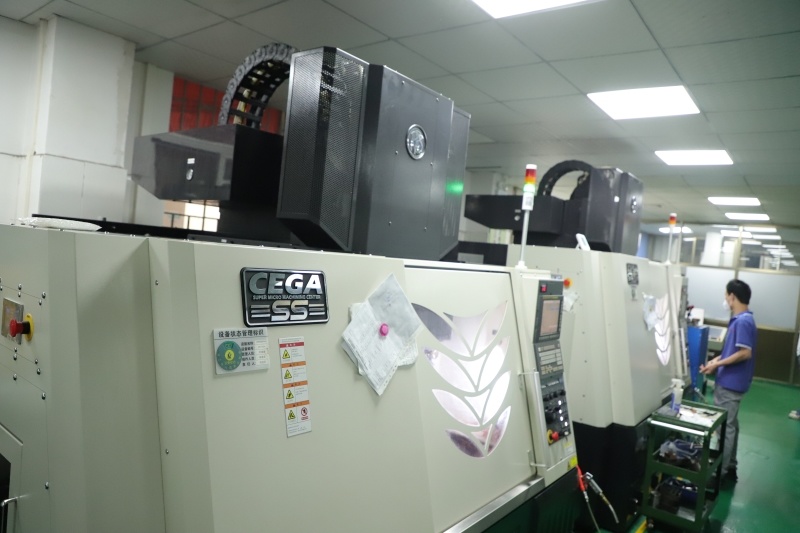
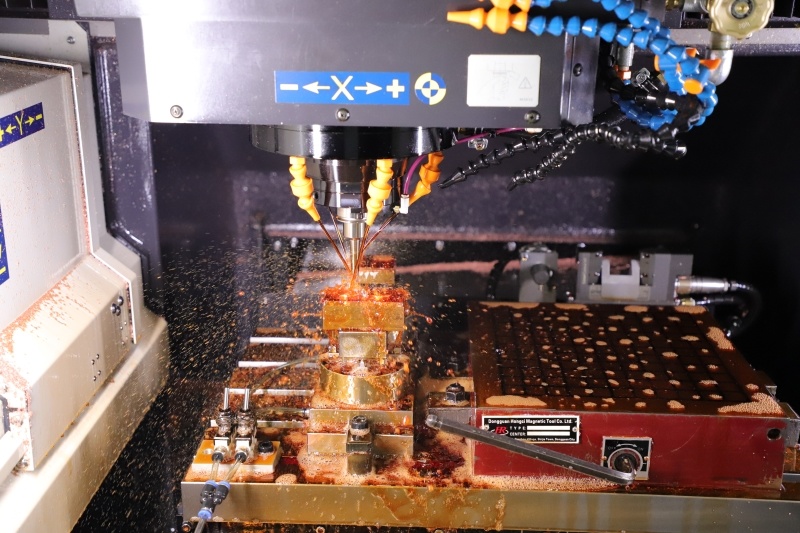
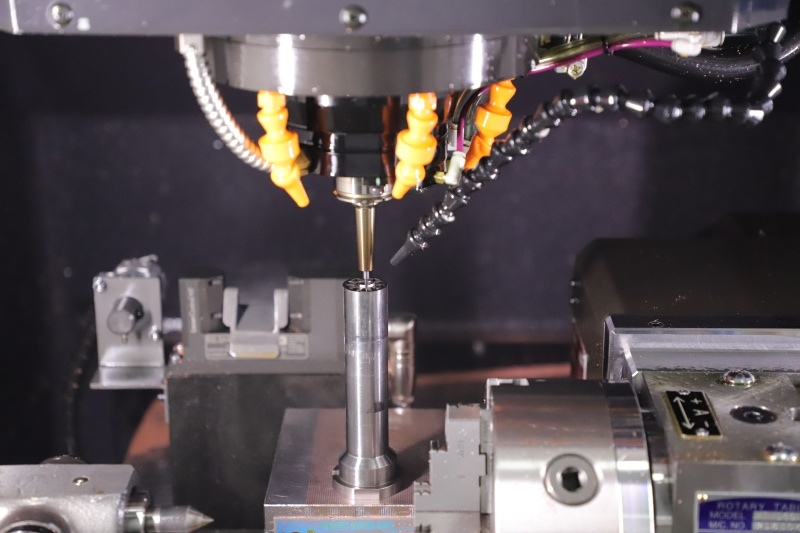
Precision machining is essential in creating the intricate shapes and sizes of glass cutter wheels. Advanced CNC (Computer Numerical Control) machines are utilized to achieve exact specifications, ensuring uniformity across products.
Coating Application
For diamond-coated wheels, the application of diamonds is a critical step. Various methods are employed, such as electroplating or sintering, to ensure that diamonds adhere correctly and maintain their sharpness.
Assembly
After individual components are manufactured, they are assembled. The assembly process must be meticulous to guarantee that every wheel functions as intended. This step often includes balancing the wheels for optimal performance during use.
Quality Control Measures in Production
Quality control is a crucial aspect of the manufacturing process for glass cutter wheels. It ensures that every product meets the established standards of performance and safety.
Testing Procedures
Rigorous testing procedures are implemented, including:
- Performance Testing: Each wheel is tested for cutting efficiency on various glass types.
- Durability Tests: Wheels are subjected to stress tests to ensure they can withstand rigorous use.
- Visual Inspections: Thorough inspections check for any defects or inconsistencies in the product.
Certification and Compliance
Many manufacturers seek certifications that validate their quality control processes. Compliance with industry standards guarantees that products are reliable and safe for consumers.
Recent Innovations in Glass Cutter Wheel Technology
The glass cutter wheel industry is continuously evolving, with innovations aimed at improving performance and user experience. Recent advancements include:
Smart Technology Integration
Some manufacturers are incorporating smart technology into glass cutter wheels, allowing users to track cutting performance and receive maintenance alerts through connected applications.
Eco-Friendly Materials
With a growing emphasis on sustainability, manufacturers are exploring eco-friendly materials that do not compromise cutting quality. These innovations aim to reduce environmental impact while maintaining high performance.
Applications of Glass Cutter Wheels
Glass cutter wheels are versatile tools used in a wide range of applications, including:
Professional Glass Cutting
In professional settings, glass cutter wheels are indispensable for tasks such as window installation, glass art creation, and custom glass fabrication.
DIY Projects
Many DIY enthusiasts rely on glass cutter wheels for home improvement projects, such as creating decorative glass pieces or repairing broken windows.
Industrial Applications
In industrial environments, glass cutter wheels are employed for mass production of glass products, ensuring efficiency and precision in high-volume manufacturing.
Conclusion
The journey of glass cutter wheels from design to production is a testament to the meticulous craftsmanship and advanced technology involved in their creation. Understanding the materials, manufacturing techniques, and quality control measures can help users appreciate the importance of choosing high-quality tools for their glass cutting needs. Whether for professional or personal use, investing in a reliable glass cutter wheel can significantly enhance the cutting experience, making the task easier and more efficient.
Frequently Asked Questions
1. What is a glass cutter wheel?
A glass cutter wheel is a specialized tool designed to score the surface of glass, allowing it to be broken cleanly along the scored line.
2. How do I choose the right glass cutter wheel?
Consider factors such as the type of glass you will be cutting, the thickness of the material, and the specific cutting tasks you intend to perform.
3. How often should I replace my glass cutter wheel?
Replace your glass cutter wheel when you notice a decrease in cutting efficiency or if the wheel becomes visibly worn or damaged.
4. Can I use a glass cutter wheel on other materials?
Glass cutter wheels are primarily designed for glass; using them on other materials may result in poor performance or damage to the tool.
5. What safety precautions should I take when using a glass cutter wheel?
Always wear safety goggles to protect your eyes, work in a well-ventilated area, and handle glass pieces carefully to prevent injuries.

SAF Coolest v1.3.1.2 设置面板 GAGSD-ZGYF-JVZFE-ASQ
无数据提示
Sorry, the current column is being updated, please look forward to it!
You can view other columns or returnHome Page