
-

About Us
Dongguan Mixiao New Material Technology Co., Ltd. was established in 2013 and is located in Changping Town, Dongguan City, the capital of manufacturing. It has strong independent development, design, and production capabilities, and produces products such as metal and non-metal product molds, automotive and motorcycle molds
-
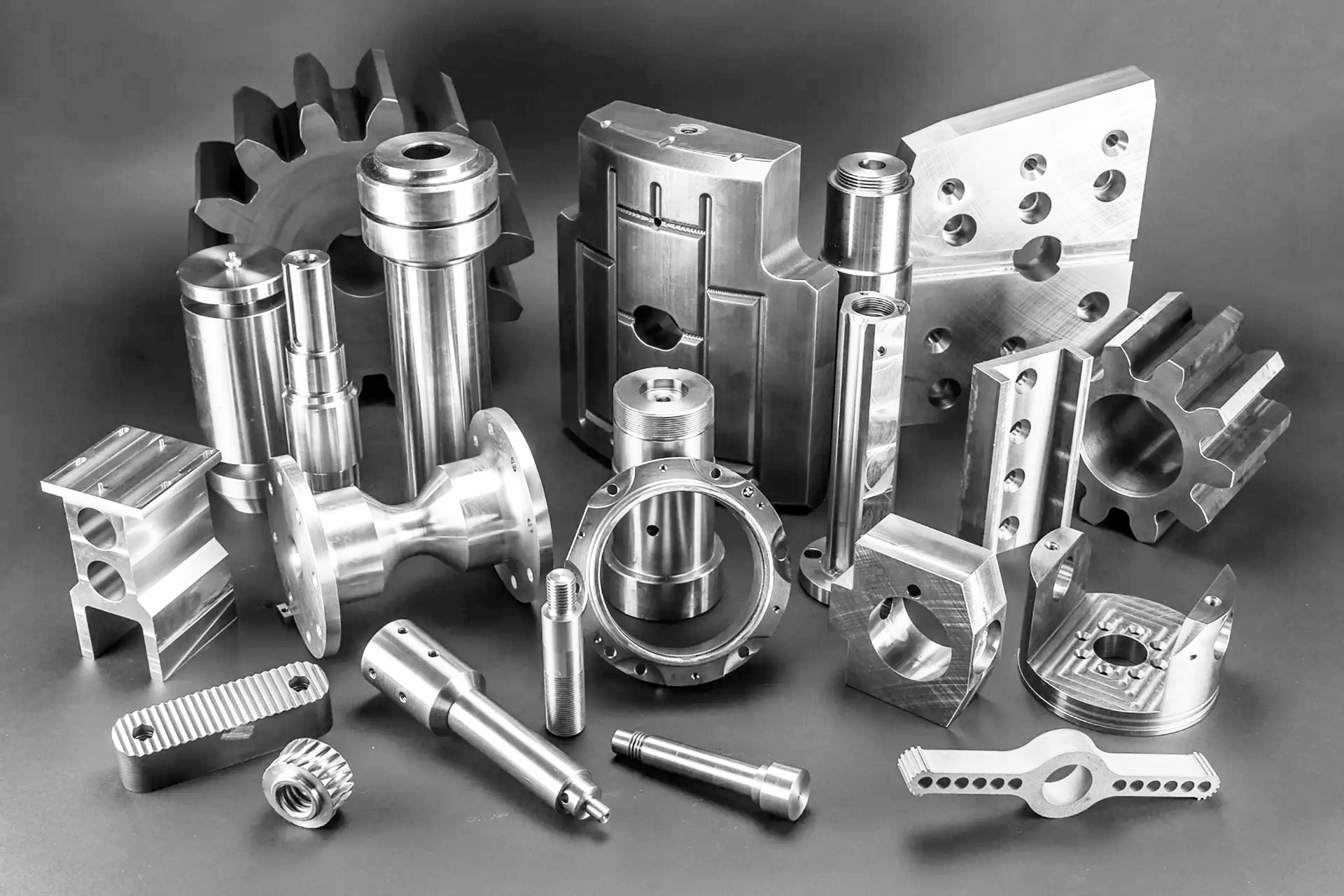
Products
Dongguan Mixiao New Material Technology Co., Ltd. was established in 2013 and is located in Changping Town, Dongguan City, the capital of manufacturing. It has strong independent development, design, and production capabilities, and produces products such as metal and non-metal product molds, automotive and motorcycle molds
-

Service
Dongguan Mixiao New Material Technology Co., Ltd. was established in 2013 and is located in Changping Town, Dongguan City, the capital of manufacturing. It has strong independent development, design, and production capabilities, and produces products such as metal and non-metal product molds, automotive and motorcycle molds
-

Blog
Dongguan Mixiao New Material Technology Co., Ltd. was established in 2013 and is located in Changping Town, Dongguan City, the capital of manufacturing. It has strong independent development, design, and production capabilities, and produces products such as metal and non-metal product molds, automotive and motorcycle molds
-

Contact us
Dongguan Mixiao New Material Technology Co., Ltd. was established in 2013 and is located in Changping Town, Dongguan City, the capital of manufacturing. It has strong independent development, design, and production capabilities, and produces products such as metal and non-metal product molds, automotive and motorcycle molds

Understanding Rotating Shafts for Beauty Devices: Key Insights for Manufacturers
Release time:
Mar 02,2026
In the realm of beauty devices, the rotating shaft is an essential component that significantly influences the overall performance and efficiency of the equipment. These shafts are primarily used to transfer torque and rotational motion, thus enabling the device to perform its intended functions, such as vibration, oscillation, or spinning. Understanding the design and manufacturing considerations

One of the key aspects to consider when manufacturing rotating shafts for beauty devices is the material selection. Typically, materials such as stainless steel, aluminum, and certain polymers are favored due to their strength, corrosion resistance, and lightweight properties. These materials not only contribute to the durability of the rotating shaft but also ensure that the device remains comfortable and manageable for the user.
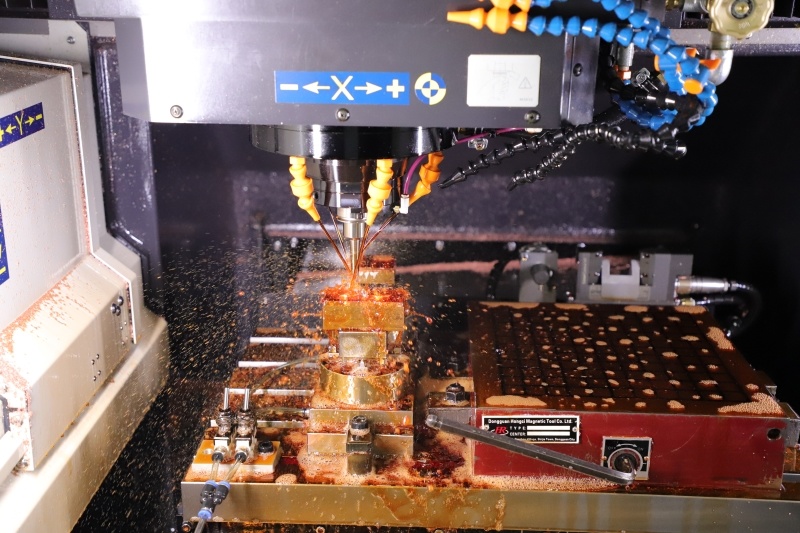
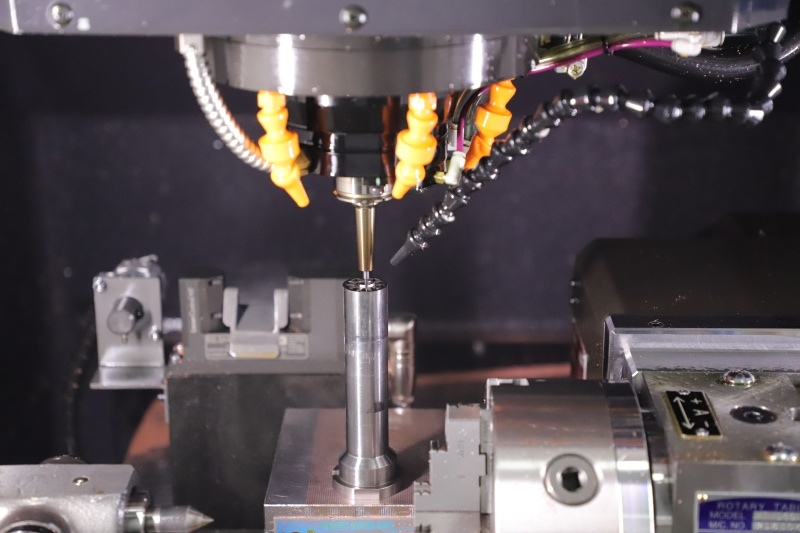
Precision is another critical factor in the design of rotating shafts. The shaft must be manufactured with high tolerances to ensure a proper fit within the beauty device. This precision is vital for minimizing vibrations and noise during operation, which can enhance the user experience. Employing advanced machining techniques, such as CNC machining, can help achieve the necessary precision and surface finish required for these components.
Furthermore, the design of the rotating shaft should accommodate the specific operating conditions of the beauty device. For instance, if the device is intended for wet environments, additional considerations such as sealing and waterproofing of the shaft may be necessary to prevent corrosion and ensure longevity. Additionally, the incorporation of bearings and other supporting structures can further enhance the performance and lifespan of the rotating shaft.
Another important consideration is the balance of the rotating shaft. An unbalanced shaft can lead to excessive wear and tear on the device, resulting in premature failure. Manufacturers should implement dynamic balancing techniques during production to ensure that the shaft operates smoothly and efficiently at various speeds.
Lastly, regular maintenance and testing of the rotating shaft are essential to ensure optimal performance. Implementing quality control measures during the manufacturing process, as well as providing guidelines for end-users on how to maintain the device, can significantly extend the lifespan of the beauty device and enhance customer satisfaction.
In conclusion, the rotating shaft is a pivotal component in beauty devices, and understanding its design, material selection, and manufacturing techniques is crucial for manufacturers aiming to create high-quality products. By focusing on precision, material properties, and maintenance, manufacturers can ensure that their beauty devices are not only effective but also reliable and user-friendly.

SAF Coolest v1.3.1.2 设置面板 GAGSD-ZGYF-JVZFE-ASQ
无数据提示
Sorry, the current column is being updated, please look forward to it!
You can view other columns or returnHome Page